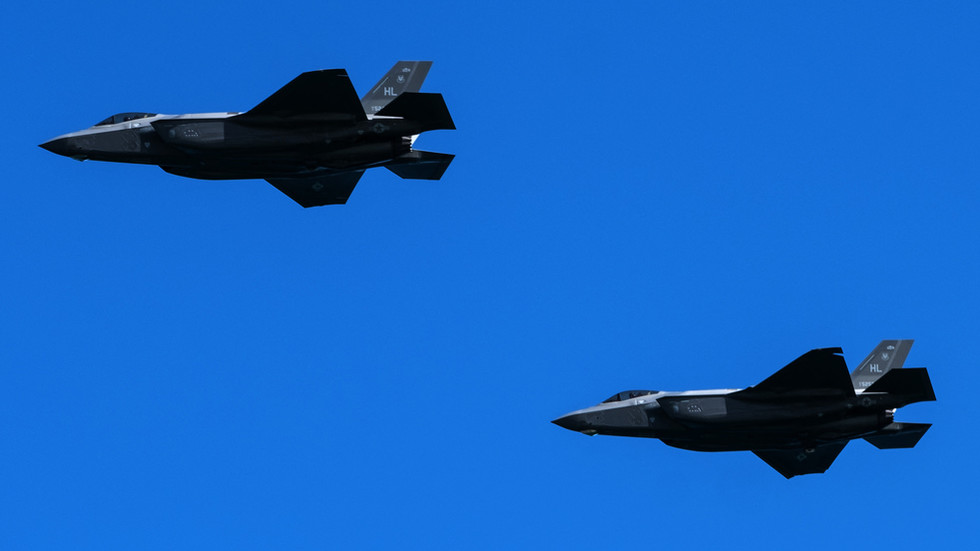
Iranian forces have shot down two American fighter jets, with Tehran confirming the downing of an F-15 aircraft. Reports indicate that U.S. forces successfully rescued one crew member, while another remains missing. This development comes at a sensitive time following heightened military tensions between the United States and Iran, as events in the region accelerate after the outbreak of war.
In detail, Iran stated that the F-15 was brought down by the advanced air defense system of the Iranian Revolutionary Guard Corps. Additionally, reports suggest that U.S. forces managed to rescue a pilot from an A-10 aircraft, which was also shot down in the Gulf, complicating the military situation further.
Details of the Incident
Events have rapidly escalated since the United States and Israel launched strikes on Iran over a month ago, resulting in the death of Supreme Leader Ali Khamenei, which provoked military responses from Tehran. In response, Iran has expanded its military operations, targeting economic and industrial sites in the region.
In a related context, Iranian sources confirmed that anyone who captures a living American crew member will receive a substantial reward, reflecting the rising tensions between the two sides. A spokesperson for the Iranian military command commented on the incident, stating that the American aircraft was completely destroyed and that search operations are ongoing.
Background & Context
Historically, U.S.-Iranian relations have seen increasing tensions since the Islamic Revolution in 1979. As military conflicts escalate, the situation has become more complex, with regional and international interests overlapping. The current war, which began after U.S. and Israeli strikes, has led to unprecedented escalation in the conflict, affecting both regional and global security.
Moreover, Iran has closed the Strait of Hormuz, a vital passage through which approximately 20% of the world's oil and gas supplies flow, further heightening tensions and impacting global energy markets. Some Iranian officials have called for a need to reach an agreement with Washington to end the war, reflecting concerns over the ramifications of the ongoing conflict.
Impact & Consequences
Concerns are growing that these events could lead to a larger escalation in the conflict, as Iran threatens to increase its attacks on economic sites in the region. The spokesperson for the Iranian armed forces warned that any threats from the United States would be met with strong responses. These statements indicate the potential for further escalation of the conflict, which could impact regional stability.
At the same time, the United States is striving to maintain its military presence in the region, emphasizing the importance of protecting its interests and those of its allies. This conflict could have significant economic repercussions, not only for Iran and the United States but for the entire world, especially given the heavy reliance on energy supplies from the region.
Regional Significance
The recent events in Iran signal a rise in tensions in the Middle East, raising concerns among neighboring Arab countries. Many Gulf nations, once considered safe havens, are now under direct threats from Iran, which accuses them of being launch points for American strikes.
This situation underscores the urgent need for Arab countries to enhance security and defense cooperation to face the increasing challenges. The escalation of the conflict could also affect global oil prices, reflecting on the Arab economy as a whole.
In conclusion, the situation in the region remains tense, with expectations that events will continue to evolve, necessitating close monitoring by the international community.