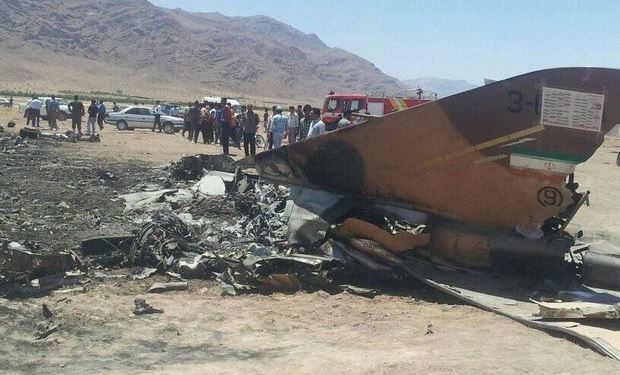
Iran recently shot down a US fighter jet, the F-15E, raising questions about the military and political implications of this event. The incident comes at a time of increasing tensions between the United States and Iran, with fears of a potential military escalation on the rise.
The F-15E fighter jet is one of the most advanced aircraft in the US arsenal and has been used in numerous military operations worldwide. The downing of this aircraft reflects the challenges faced by US forces in the Middle East and indicates Iran's capability to target advanced military aircraft.
Details of the Incident
According to reports, the US fighter jet was shot down during a reconnaissance mission over Iranian airspace. The United States has not officially disclosed the details of the incident, but military sources confirmed that the aircraft was on a routine mission when it came under attack. The incident led to the loss of communication with the aircraft, raising significant concern within US military circles.
This incident occurs at a sensitive time, as tensions between Iran and the United States are escalating, particularly following a series of military skirmishes in the region. Iran has demonstrated its ability to counter military aircraft, raising questions about the US military strategy in the area.
Background & Context
Historically, US-Iranian relations have been marked by ongoing tensions since the Islamic Revolution in 1979. Since then, there have been numerous military incidents between the two sides, including the downing of aircraft and exchanges of attacks. In recent years, these tensions have notably escalated, especially after the United States withdrew from the Iranian nuclear deal in 2018.
Iran is one of the countries seeking to enhance its military capabilities and has invested heavily in developing air defense systems. The downing of the US fighter jet reflects Iran's success in this area and suggests that US forces may face greater challenges in conducting operations in the region.
Impact & Consequences
The repercussions of the downing of the US fighter jet could be far-reaching. This incident is likely to increase tensions between the United States and Iran and may prompt Washington to reassess its military strategy in the region. It could also lead to an escalation of military operations from both sides, increasing the risk of a broader conflict.
Furthermore, this incident may affect US relations with its allies in the region, as they may feel concerned about Iran's ability to target US forces. This could lead to changes in military and political alliances in the Middle East.
Regional Significance
Considering the potential impact on the Arab region, the downing of the US fighter jet may increase instability in the Gulf Arab states. Arab countries may find themselves in a difficult position, needing to balance their relationships with the United States while addressing Iranian threats.
This incident may lead to increased military cooperation between Gulf states and the United States, as these countries seek to enhance their defensive capabilities in the face of rising Iranian threats. It may also result in increased investments in air defense systems and military technology.
In conclusion, the downing of the US F-15E fighter jet in Iran represents a significant event that could alter the course of events in the region. The current situation requires all parties involved to carefully consider their next steps, as military escalation could have severe consequences for regional and international security.