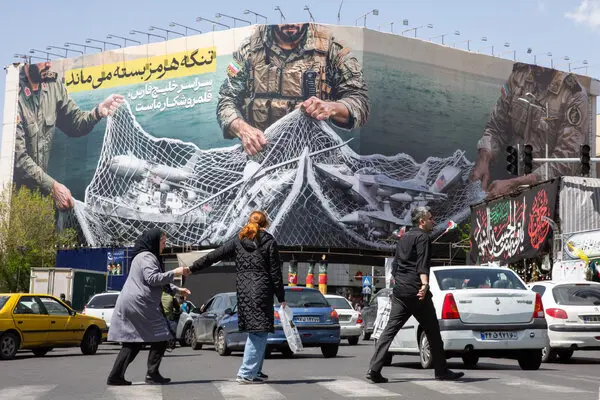
Iran has shot down a US fighter jet in a new escalation that reflects the increasing tensions between Tehran and Washington. The incident occurred at a sensitive time, as US forces executed a complex rescue operation to retrieve a pilot stranded in an area considered a stronghold of Iranian forces. This escalation raises concerns about the potential for conflict between the two sides.
While Iranian media celebrated the downing of the jet, showcasing images of the burning aircraft, Iranian Parliament Speaker Mohammad Baqer Qalibaf deemed this victory a result of "divine grace." He also warned that if the United States continues to suffer similar defeats, it will face total destruction.
Details of the Incident
On the American side, President Donald Trump announced the successful execution of a daring rescue operation, where US forces managed to recover the pilot from deep within Iranian territory, despite Iranian forces searching for him. This success reflects the capability of US forces to conduct complex operations under challenging conditions, but it also heightens tensions between both parties.
This incident is part of a series of events that have unfolded in the region, with military activities from both Iran and the United States on the rise. The exchanged statements between the two indicate that both sides feel empowered to achieve victories, increasing the risk of military escalation.
Background & Context
Historically, relations between Iran and the United States have been marked by increasing tensions since the Iranian Revolution in 1979. Economic sanctions, military threats, and interventions in the internal affairs of other countries have all contributed to fueling the conflict. In recent years, these tensions have notably escalated, especially following the US withdrawal from the Iranian nuclear deal in 2018.
As the deadline set by Trump for Iran to reach an agreement approaches, fears of military escalation that could lead to widespread conflict are growing. American warnings of targeting Iranian infrastructure if no agreement is reached reflect the seriousness of the current situation.
Impact & Consequences
The current escalation between Iran and the United States could have serious repercussions at both regional and international levels. Experts warn that any Iranian response to US pressures could involve targeting Gulf states, potentially causing significant harm to civilians and affecting global market stability.
Moreover, the continuation of this conflict could exacerbate humanitarian crises in the region, where many countries are suffering from economic and social crises. Military escalation could hinder peace efforts and increase civilian suffering.
Regional Significance
For Arab countries, the rising tensions between Iran and the United States represent a direct threat to security and stability in the region. Many Gulf states rely on regional stability to ensure their economic and political security. Any escalation could lead to negative repercussions for the global economy, particularly in the energy sector.
In conclusion, the current situation requires an urgent diplomatic solution to avoid escalating the conflict. The international community must intervene effectively to reduce tensions and ensure that the situation does not deteriorate into a full-scale military conflict.