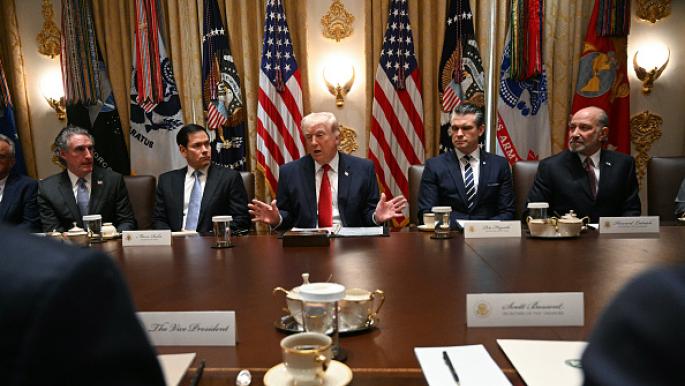
The incident of Iran shooting down a US fighter jet has intensified tensions between Washington and Tehran, revealing confusion within the Trump administration following the loss of one of its soldiers. The rapid shifts in the US stance, moving from gray expectations to grim atmospheres, reflect the depth of the crisis the administration faces in dealing with the Iranian file.
This incident is considered a turning point in US-Iran relations, as tensions had recently escalated due to several factors, including economic sanctions imposed on Tehran and mutual threats between the two sides. However, the downing of the US aircraft represents an unprecedented escalation that could drag the region into a broader conflict.
Details of the Incident
In a recent incident, Iran shot down a US fighter jet, resulting in the death of an American soldier. This incident was not merely a military escalation; it occurred at a time when the Trump administration was facing internal and external pressures regarding its policy towards Iran. The incident sparked varied reactions within the United States, with some officials calling for strict actions against Iran, while others warned of the dire consequences of any military escalation.
It is noteworthy that Iran had previously warned against any violation of its airspace, asserting that it would respond harshly to any aggression. This statement falls within Iran's defensive policy aimed at protecting its sovereignty and national security.
Background & Context
The history of US-Iran relations is filled with tensions and conflicts. Since the Islamic Revolution in 1979, the relationship between the two countries has deteriorated continuously, with the United States imposing severe economic sanctions on Iran, significantly impacting its economy. In recent years, tensions have notably increased, especially after the US withdrawal from the Iranian nuclear deal in 2018.
This withdrawal led to a heightened situation, as Iran began to resume its nuclear activities, raising concerns within the international community. As tensions escalated, the region became more vulnerable to military conflicts, with increased military operations and threats between the two sides.
Impact & Consequences
The incident of the downed aircraft could have serious repercussions at both regional and international levels. It may place the US administration in a precarious position, as it must make swift decisions on how to respond to this escalation. Any decision made by Trump could affect relations with US allies in the region, such as Saudi Arabia and Israel, who may support any military action against Iran.
Moreover, any military escalation could exacerbate the humanitarian situation in the region, where many countries are already suffering from the effects of ongoing conflicts. Additionally, any military conflict could impact oil prices and global financial markets, increasing economic instability.
Regional Significance
The Arab countries neighboring Iran, such as Iraq, Syria, and Lebanon, are likely to be the most affected by the repercussions of this escalation. These countries may find themselves in the midst of a conflict that could expand to involve multiple parties, complicating the security and economic situations in the region.
Furthermore, any military escalation could lead to an influx of more refugees into Arab countries, adding an additional burden on these nations that are already grappling with humanitarian and economic crises. Under these circumstances, there remains hope that diplomacy can contain the crisis and avoid any military escalation that could have dire consequences.