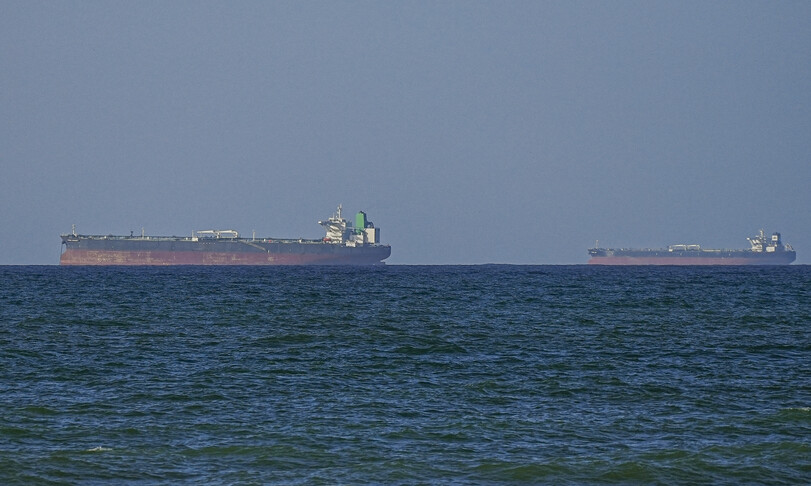
An influential Iranian parliamentary deputy revealed the submission of a smart management plan for the Strait of Hormuz to the Iranian parliament for review and approval. This initiative comes at a critical time, as the Strait of Hormuz is one of the most important waterways in the world, through which approximately 20% of global oil passes.
Through this plan, Iran aims to strengthen its ability to control maritime navigation in the strait, which has been experiencing ongoing tensions with Western countries. The deputy indicated that the plan includes multiple strategies aimed at improving maritime security and enhancing regional cooperation.
Details of the Plan
The proposed plan includes a set of measures to improve the management of ship traffic in the strait, including the use of modern technology to monitor navigation. Additionally, the plan encompasses enhancing cooperation with neighboring countries to ensure maritime safety.
This announcement comes at a time when tensions in the region are escalating, as Iran seeks to bolster its strategic position in the face of international pressures. The plan has been submitted to the parliamentary committee concerned with maritime affairs, where it is expected to be discussed in depth before a vote is taken.
Background & Context
The Strait of Hormuz is a vital transit point for oil and natural gas, witnessing heavy maritime activity. Historically, there have been numerous incidents and tensions in this area, making it a focal point of international interest. In recent years, Iran has increased its military presence in the region, raising concerns among Western and Arab nations.
Given its strategic significance, the strait has been the subject of various geopolitical maneuvers, with Iran aiming to assert its influence amid ongoing international scrutiny. The proposed management plan reflects Iran's intent to solidify its control over this critical maritime corridor.
Impact & Consequences
This plan could lead to heightened tensions in the region, especially if Western countries perceive Iran as attempting to expand its influence in the Strait of Hormuz. These measures may affect maritime navigation, potentially leading to increased oil prices in global markets. Furthermore, strengthening Iranian control over the strait could prompt neighboring countries to take countermeasures, increasing the likelihood of maritime conflicts.
The implications of this plan extend beyond regional dynamics, as they could influence global energy markets and international relations. The response from Western nations and regional players will be crucial in determining the future stability of the strait.
Regional Significance
The Strait of Hormuz holds immense significance not only for Iran but also for global energy security. As a critical passage for oil shipments, any disruption in this area could have far-reaching consequences for the global economy. The strategic maneuvers by Iran, including this management plan, underscore the ongoing geopolitical tensions in the region.
In conclusion, the introduction of this smart management plan for the Strait of Hormuz reflects Iran's strategic objectives and its desire to maintain control over a vital maritime route. The international community will be closely monitoring the developments surrounding this initiative.