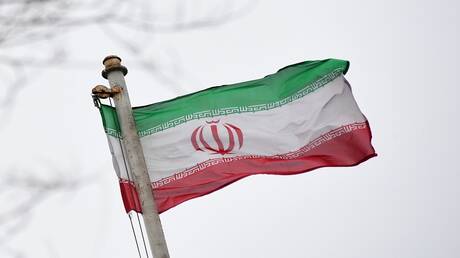
Iranian military spokesperson Abu Fazl Shakarji confirmed that the Strait of Hormuz will remain closed to the United States and Israel for a long time. These statements come at a time when tensions between Iran and the West are escalating, particularly with ongoing military exercises in the region.
Shakarji's remarks reinforce Iran's steadfast position on protecting its sovereignty in the Strait of Hormuz, which is considered one of the most important maritime passages in the world. Approximately 20% of the world's total oil exports pass through this strait, making it a sensitive strategic point.
Details of the Announcement
In statements made during a press conference, Shakarji indicated that Iran will take all necessary measures to ensure that American and Israeli warships do not pass through the strait. These comments come amid increasing American military activities in the region, including the deployment of warships to bolster its presence in the Arabian Gulf.
Shakarji also added that Iran will continue to enhance its defensive capabilities and will not hesitate to take strict measures against any threats. These statements come at a time of rising tensions in the region, especially following repeated attacks on commercial vessels in Gulf waters.
Background & Context
Historically, the Strait of Hormuz has been the scene of numerous political and military crises. In recent years, tensions between Iran and the United States have increased, particularly after Washington's withdrawal from the Iranian nuclear deal in 2018. Since then, the United States has imposed stringent economic sanctions on Iran, exacerbating the situation in the region.
Iran considers the Strait of Hormuz a part of its national sovereignty and views any attempt to control or threaten it as an infringement on its rights. Conversely, the United States seeks to secure freedom of navigation in this vital corridor, further heightening tensions between the two sides.
Impact & Consequences
Shakarji's statements underscore that Iran is prepared to confront any potential threats, which may lead to military escalation in the region. If tensions persist, we may witness increased military activities from both sides, potentially affecting oil prices and global markets.
Moreover, closing the Strait of Hormuz to American and Israeli vessels could exacerbate economic crises in countries reliant on Iranian oil, negatively impacting regional stability.
Regional Significance
Neighboring Arab countries, such as the United Arab Emirates and Saudi Arabia, are among the most affected by the tensions in the Strait of Hormuz. Any military escalation could disrupt trade and navigation in the region, leading to rising oil prices and negative economic repercussions.
Furthermore, ongoing tensions may deepen political divisions in the region, as some countries may take pro-Iran stances while others prefer to support the United States. This division could complicate the situation in the Middle East.
In conclusion, the situation in the Strait of Hormuz remains under close observation, as any new developments could significantly impact regional and global security. The international community must work to de-escalate tensions and avoid military escalation that could lead to dire consequences.