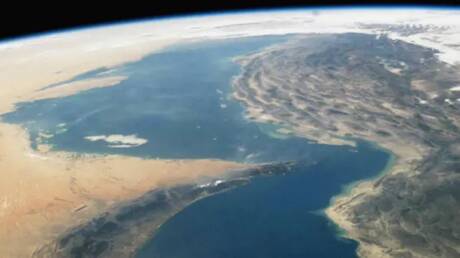
The Iranian Revolutionary Guard's naval command announced on Sunday evening that the Strait of Hormuz will never return to its previous state, particularly concerning the United States and Israel. This statement reflects the escalating tensions in the region and indicates a strategic shift in control over one of the world's most vital waterways.
The Strait of Hormuz is a crucial transit point for oil and natural gas, with approximately 20% of total global oil exports passing through it. The Iranian remarks come at a sensitive time, as military activities in the region have increased, raising fears of a potential escalation.
Details of the Announcement
During a press conference, the commander of the Revolutionary Guard's naval forces emphasized that Iran will take all necessary measures to protect its sovereignty in the Strait of Hormuz. He noted that any attempt by the United States or Israel to interfere in Iranian affairs would be met with a strong response. These statements come amid increasing tensions in relations between Iran and the West, particularly following the U.S. withdrawal from the Iranian nuclear deal.
The commander also added that Iran will continue to enhance its military capabilities in the region, which raises concerns among Western nations fearing an escalation of tensions. These remarks coincide with Iranian military maneuvers in the area, aimed at showcasing strength and demonstrating Iran's readiness to defend its interests.
Background & Context
The Strait of Hormuz has a long history of military and political tensions. In recent years, the region has seen an escalation in military activities, including attacks on oil tankers. In 2019, several tankers were attacked in the area, leading to heightened tensions between Iran and Western countries.
Through these statements, Iran seeks to clarify its strong position in the face of international pressures. These remarks also reflect Iran's strategy to enhance its influence in the region, especially amid the economic and political challenges it faces.
Impact & Consequences
The Iranian statements could lead to an escalation of tensions in the region, potentially impacting global oil prices. Any disruptions in the Strait of Hormuz could lead to price increases, affecting the global economy. Additionally, these remarks may provoke reactions from Western nations, increasing the likelihood of military escalation.
The United States may take further steps to bolster its military presence in the region, which could intensify tensions. Furthermore, these statements could affect relations between Iran and neighboring Arab countries, particularly those closely aligned with the United States.
Regional Significance
The Strait of Hormuz is a vital artery for oil-producing Arab nations, and any escalation in tensions could impact oil exports from these countries. Additionally, the Iranian statements may heighten security concerns in the region, potentially affecting political and economic stability.
Arab nations are striving to balance their relationships with Iran and the West, complicating the political landscape in the region. Under these circumstances, it is crucial for Arab countries to remain vigilant regarding developments in the Strait of Hormuz and take necessary actions to protect their interests.
The Iranian statements regarding the Strait of Hormuz reflect a strategic shift in the region, increasing tensions between Iran and the West. In this context, the situation in the Strait of Hormuz remains under scrutiny, as it affects security and stability in the region.