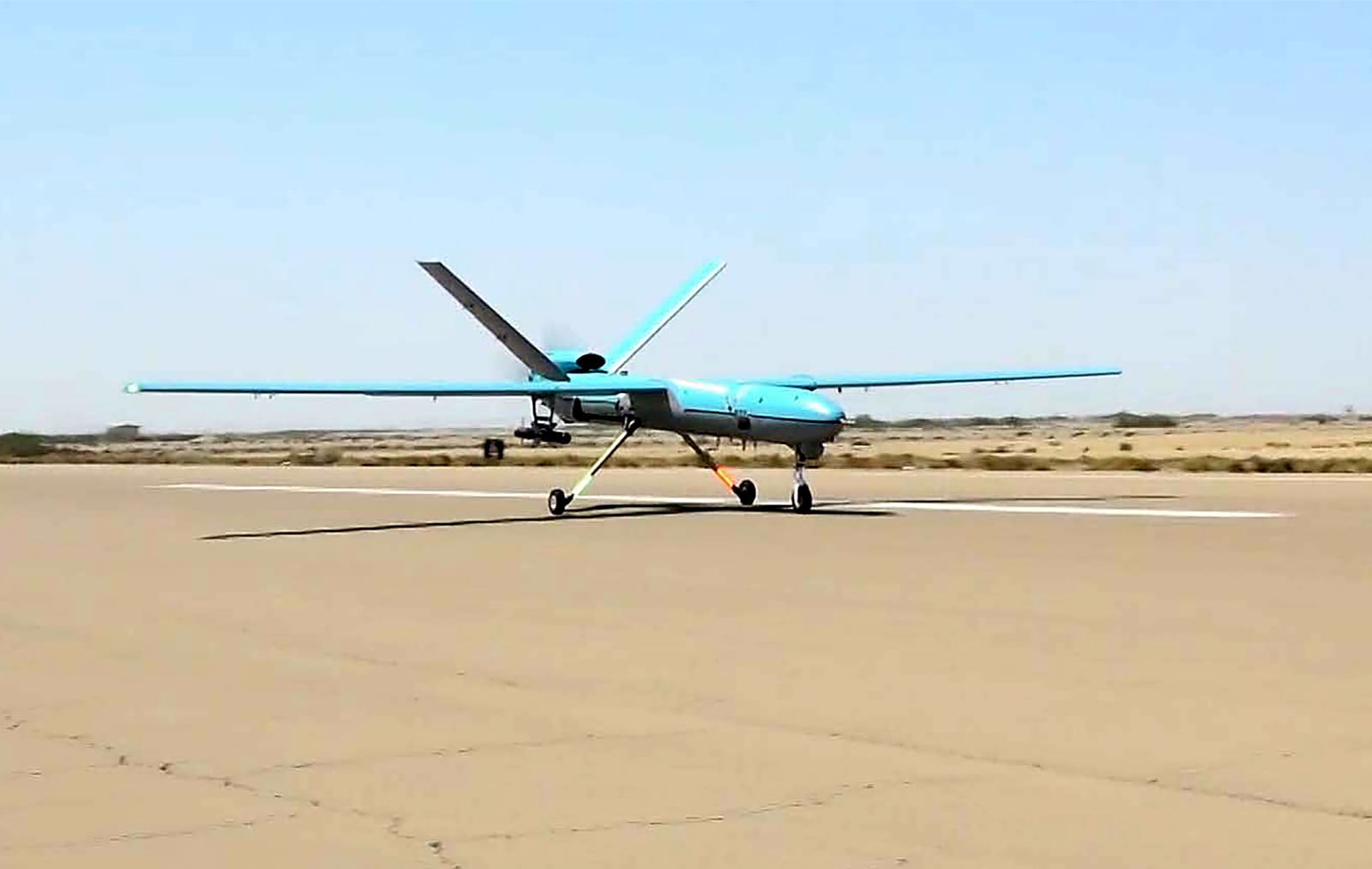
The Strait of Hormuz serves as a pivotal junction in global trade, with around 20% of total worldwide oil exports traversing its waters. Amid ongoing international tensions, this strait has emerged as a decisive factor in Iran's attempts to enhance its strategic position.
In recent years, Tehran has wielded the strait as a means of exerting influence over major powers, threatening to close it or disrupt shipping routes, especially during crises. However, this dynamic may shift as other nations seek ways to circumvent such threats, potentially weakening Iran's stance.
Event Details
More than 18 million barrels of oil flow daily through this waterway, making it one of the busiest maritime routes. Iran's control over a significant part of the strait allows it to apply pressure on Western countries, yet increasing military and political pressure from those states could complicate matters further.
In recent years, military reports have noted a surge in U.S. naval activity in the region, suggesting that Washington may be preparing to counter any threats posed by Iran. The U.S. Department of Defense has confirmed its intention to bolster naval presence, focusing on ensuring safe navigation in the Strait of Hormuz.
Background & Context
Historically, the Strait of Hormuz has been a point of contention between Iran and major world powers, particularly in light of tensions surrounding the Iranian nuclear program and the economic sanctions imposed on Tehran. Since 2010, international pressure on Iran has intensified, resulting in increased rhetoric and threats between the Western and Iranian camps.
Moreover, the strait symbolizes Iran's monopoly over energy supply, as many countries struggle to secure oil supplies should Iran decide to shut down this passage. This situation complicates the international community's ability to ignore potential threats from Tehran, especially during heightened geopolitical crises.
Impact & Consequences
The escalation of U.S. naval activity in the region brings serious developments, as the strait could transform from an Iranian pressure point to a battleground if conditions worsen. These events underscore the ongoing tensions in the relations between Tehran and the West, which have potential negative ramifications for the global oil market.
Such elevated tensions could lead to a significant rise in oil prices, impacting global economies and prompting nations to brace for fluctuations in energy costs. Additionally, Tehran may find itself more isolated than before, affecting its ability to influence global political decisions.
Regional Significance
Events occurring in the Strait of Hormuz directly affect neighboring Arab countries, many of which depend on oil supplies to ensure their economic stability. Any military escalation or disruption of navigation in the strait would increase uncertainty and, consequently, the likelihood of economic crises in the region.
Furthermore, tensions in the Strait of Hormuz might impact regional security, heightening conflicts between Iraqi, Saudi, and Iranian powers, potentially intensifying disputes within the area.
In conclusion, the Strait of Hormuz remains a battleground for influence and pressure in international relations. As crises continue to escalate, Tehran appears to be facing greater difficulties in employing this passage as a pressure tool, opening the door for further complexities and risks in the region.