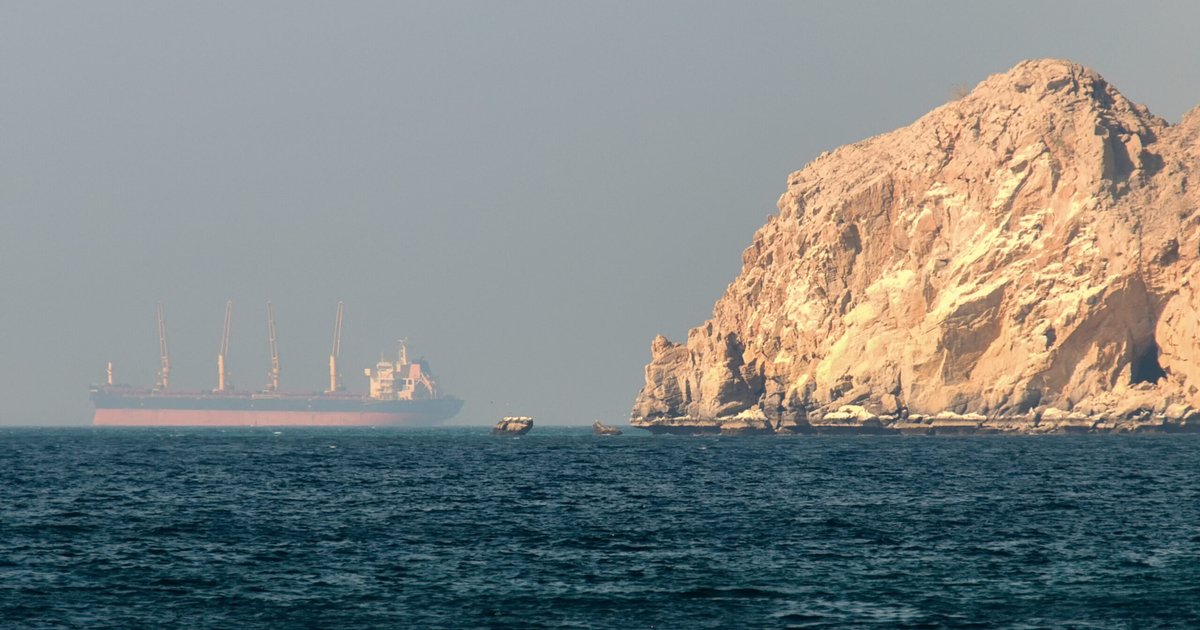
Concerns are growing regarding the impact of Iran's new strategy in the Strait of Hormuz, one of the world's most critical maritime passages. Tehran has announced new rules determining who can transit through this strait, raising questions about maritime security in the region.
This move comes at a time when Iranian relations with Western countries are increasingly strained, especially following sanctions imposed on Iran due to its nuclear program. The Strait of Hormuz is a vital artery for oil transport, with approximately 20% of the world's total oil passing through it, making any change in transit rules significantly impactful on global markets.
Details of the New Regulations
Reports indicate that Iran has imposed new restrictions on vessels crossing the Strait of Hormuz, requiring foreign ships to obtain special permits before entering the strait. This step is part of Iran's efforts to bolster its control over the region, amid fears of escalating maritime disputes.
Tehran has also confirmed that it will inspect ships transiting the strait, heightening tensions with Western nations that rely on this passage for oil supplies. These measures are believed to aim at strengthening Iran's position in any future negotiations regarding the nuclear deal.
Background & Context
Historically, the Strait of Hormuz has played a pivotal role in global trade, witnessing numerous military and political conflicts. In the 1980s, the strait was the stage for the tanker war between Iran and Iraq, leading to heightened tensions in the region. Since then, control over this maritime passage has become part of the military strategies of major powers.
In recent years, Iranian military activities in the area have increased, including naval exercises involving ballistic missiles. These activities reflect Iran's desire to enhance its military strength, particularly amid rising tensions with the United States and its allies in the Gulf.
Impact & Consequences
This new strategy from Iran serves as a warning to Western nations, as it could lead to increased tensions in the region. If Iran continues to impose restrictions on vessel transit, this may result in rising oil prices and increased instability in global markets.
Moreover, this move could affect relations between Iran and neighboring countries, as it may be used as a means to pressure states seeking to reduce Iran's influence in the region. Should this strategy persist, we may witness an escalation in maritime disputes, negatively impacting regional and international security.
Regional Significance
Developments in the Strait of Hormuz directly affect Arab countries, especially those that rely on oil as a primary source of revenue. Any escalation in tensions could lead to negative repercussions for Arab economies, necessitating intensified diplomatic efforts to resolve disputes.
Furthermore, the stability of the region heavily depends on security in the Strait of Hormuz, as any threat to freedom of navigation could impact trade between Arab nations and others. Therefore, Arab cooperation in addressing these security challenges is essential for maintaining security and stability in the region.