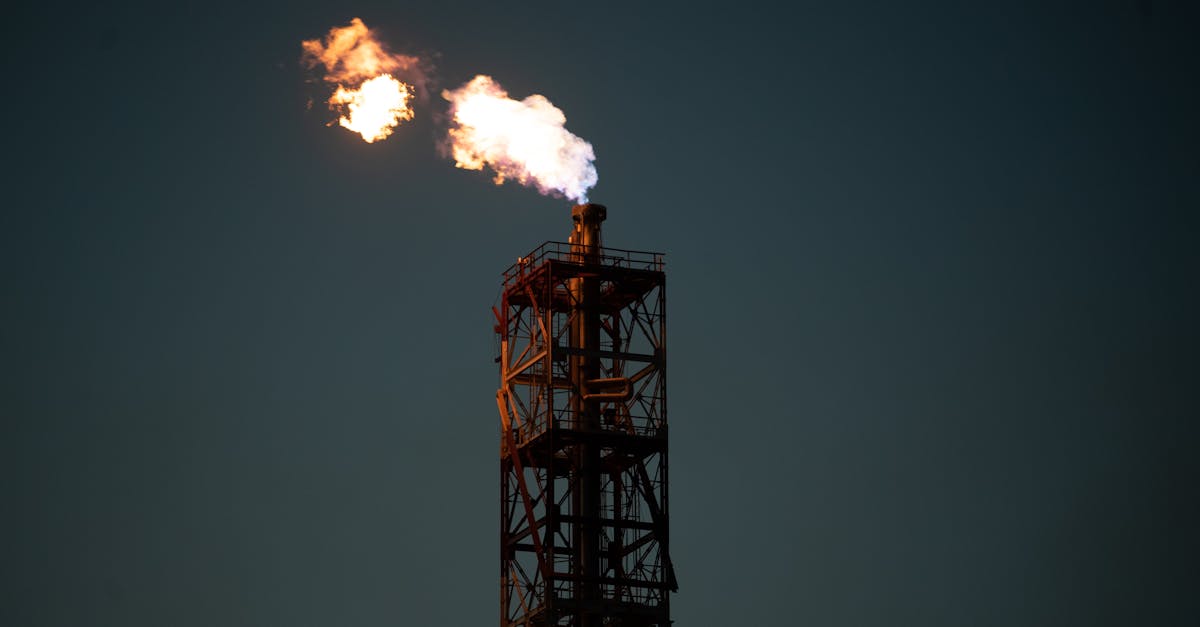
Kuwait has faced new assaults from Iran, resulting in significant damage to the country's main oil refinery and water desalination plant due to missile strikes. The United Arab Emirates has also announced the suspension of operations at the Habshan gas field following a fire caused by debris from intercepted missiles.
This incident occurs at a sensitive time when the region is experiencing heightened tensions, with this attack being part of a series of military escalations witnessed in the Gulf region recently.
Details of the Incident
According to reports, the Kuwait refinery has been severely damaged as a result of the attacks, leading to the cessation of some vital operations. The water desalination plant, which is essential for supplying the country with fresh water, also suffered significant damage, raising concerns about the impact on the country’s water supply.
In the UAE, operations at the Habshan field, one of the largest gas fields in the country, have been halted after debris from intercepted missiles caused a fire. This decision reflects the seriousness with which the UAE is addressing the security threats it faces.
Background & Context
Historically, the Gulf region has witnessed increasing tensions between Iran and Gulf states, particularly with the rise of Iranian military activities in recent years. These tensions stem from several factors, including Iran's nuclear program and Tehran's support for armed groups in the region, which has led to significant concern among neighboring countries.
The attacks on vital facilities in Kuwait and the UAE reflect Iran's strategy of using force as a means to pressure its neighbors. This strategy is not new, as the region has seen several similar attacks in past years, complicating the security situation in the Gulf.
Impact & Consequences
The recent attacks may lead to further escalation of tensions between Iran and Gulf states, potentially negatively affecting regional stability. It is likely that the concerned countries will take military or political actions in response to these assaults, increasing uncertainty in the region.
Moreover, the damage inflicted on vital facilities could adversely impact the economies of Kuwait and the UAE, especially given their heavy reliance on oil and gas as primary sources of revenue. This situation may also reflect on energy prices in global markets.
Regional Significance
These events serve as a wake-up call for other Arab countries in the region, highlighting the need to strengthen security cooperation and coordination among nations to address common threats. Additionally, these incidents may lead to a reassessment of defense and security policies in many Arab states.
In conclusion, the Gulf region remains on high alert, as the risks of military escalations increase. It is crucial for Arab countries to remain united in facing these challenges and to work towards enhancing regional stability through dialogue and cooperation.