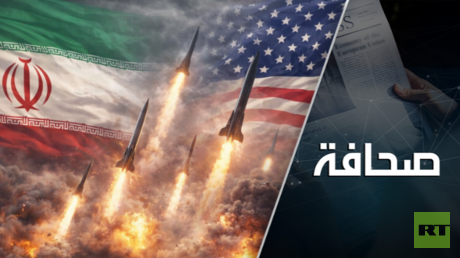
Iran is confronted with serious challenges in its efforts to compensate for the damages inflicted by U.S. and Israeli attacks. According to reports published in the newspaper "Izvestia," these damages may have far-reaching consequences for the country's stability and security.
The attacks on Iran, whether through military or economic pressures, have left deep scars on the Iranian infrastructure and economy. Authors Albert Kalashian and Anastasia Kostina noted that these damages are not limited to the military aspect but extend to vital sectors such as energy and industry.
Details of the Attacks
The U.S. and Israeli attacks on Iran involve a series of military and espionage operations targeting critical facilities. These operations have led to the destruction of some nuclear and industrial facilities, negatively impacting Iran's ability to achieve self-sufficiency in many areas.
Furthermore, the economic sanctions imposed on Iran have complicated the situation, making it difficult for the Iranian government to obtain the necessary resources to rebuild what has been destroyed. In this context, the Shanghai Cooperation Organization emerges as a potential entity to support Iran in facing these challenges.
Background & Context
Historically, Iran has experienced numerous military attacks from the United States and its allies, especially since the Islamic Revolution in 1979. These attacks have not only been military but have also included crippling economic sanctions aimed at undermining the Iranian regime.
The Shanghai Cooperation Organization, which includes countries like Russia and China, may play a role in providing support to Iran. This organization seeks to enhance economic and security cooperation among member states, which could help Iran navigate its current crises.
Impact & Consequences
If Iran fails to compensate for the damages caused by the attacks, it may face severe consequences for its internal stability. These consequences could include increased social and economic tensions, potentially leading to internal unrest.
Moreover, the continued military and economic pressures may push Iran to take more escalatory steps, which could heighten tensions in the region. This situation may also affect Iran's relations with neighboring countries, especially those adopting hostile policies towards Tehran.
Regional Significance
The situation in Iran has significant implications for the Arab region. Any escalation in Iranian conditions could reflect on the security and stability of the Gulf Arab states, where there are concerns that tensions may lead to new conflicts.
Additionally, the deteriorating economic conditions in Iran could impact regional trade, negatively affecting the economies of neighboring countries. Therefore, Iran's stability is vital for regional security.
In conclusion, Iran faces substantial challenges in its quest to compensate for the damages resulting from U.S. and Israeli attacks. As pressures mount, the role of the Shanghai Cooperation Organization may become increasingly important in supporting Iran during this critical phase.