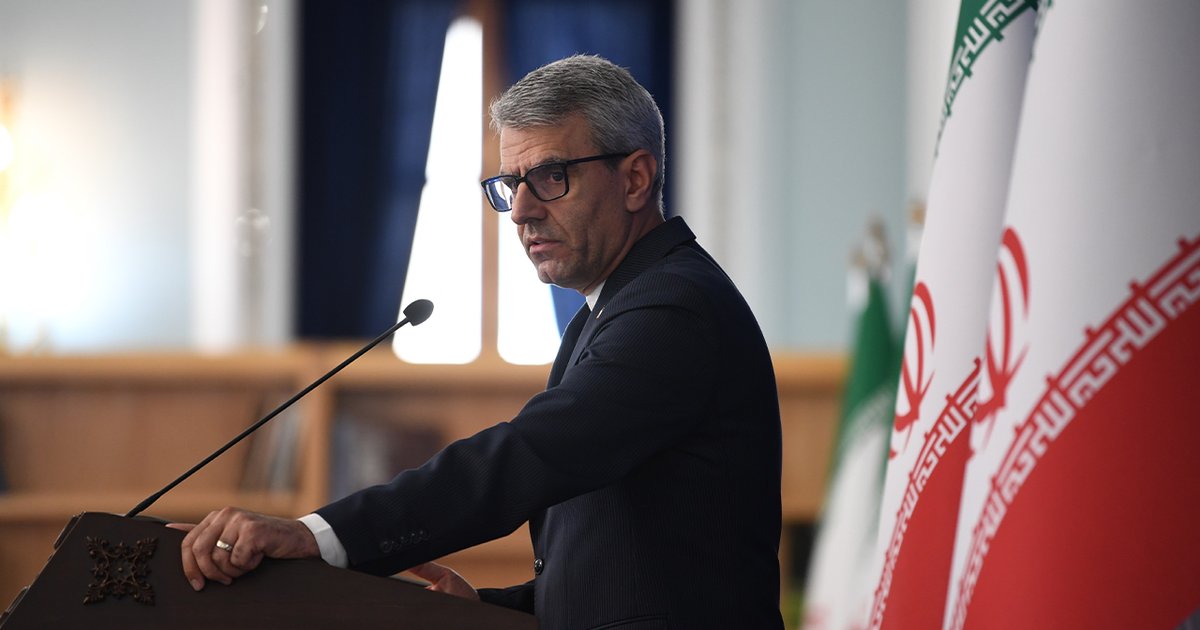
Reports from informed sources indicate that Iran is examining a peace proposal in light of the tense conditions in the region; however, it has shown reluctance to entertain the idea of a temporary ceasefire. These statements reflect Tehran's hardline position in dealing with regional crises, as Iran prefers to negotiate for permanent solutions rather than temporary measures.
These developments come at a time when the region is witnessing an escalation of conflicts, complicating peace efforts. Iran, which plays a pivotal role in numerous regional conflicts, continues to assert its firm stance against any solutions that do not align with its strategic interests.
Details of the Proposal
Recently, a peace proposal was introduced that includes several provisions aimed at de-escalating ongoing conflicts. However, it appears that Iran favors more comprehensive strategies, believing that a temporary ceasefire may not suffice to achieve the desired stability.
Tehran seeks to ensure its interests in the region, which requires it to handle any proposals cautiously, especially those that might affect its influence. Iranian officials have indicated that any agreement must include strong guarantees to protect their interests.
Background & Context
Historically, Iran has always been a key player in regional conflicts, supporting armed groups in countries such as Iraq, Syria, and Lebanon. This support has led it to adopt a strict stance against any attempts to pressure it from Western powers or neighboring countries.
These developments coincide with escalating tensions between Iran and the United States, as both nations exchange accusations regarding support for terrorism and destabilizing actions in the region. This backdrop makes it challenging for Iran to accept any proposals that may be perceived as a retreat from its previous positions.
Impact & Consequences
If Iran continues to reject a temporary ceasefire, it may lead to an escalation of conflicts in the region, negatively impacting regional security. This position could also hinder international efforts aimed at achieving peace and stability in conflict areas.
This escalation is likely to increase pressure on neighboring countries, potentially exacerbating humanitarian and economic crises in those nations. Furthermore, ongoing tensions could affect oil prices and global financial markets.
Regional Significance
The developments in Iran are of significant importance to Arab countries, as any escalation could impact security and stability in the region. Arab nations struggling with internal conflicts may find themselves in a difficult position if Iran maintains its hardline stance.
Additionally, any escalation in conflicts could lead to an influx of more refugees into neighboring countries, increasing the economic and social burdens on those nations. Therefore, closely monitoring these developments is essential to understand their overall impact on the region.
In conclusion, Iran remains a key player in regional equations, and its stance on peace proposals could have far-reaching implications for security and stability in the area.