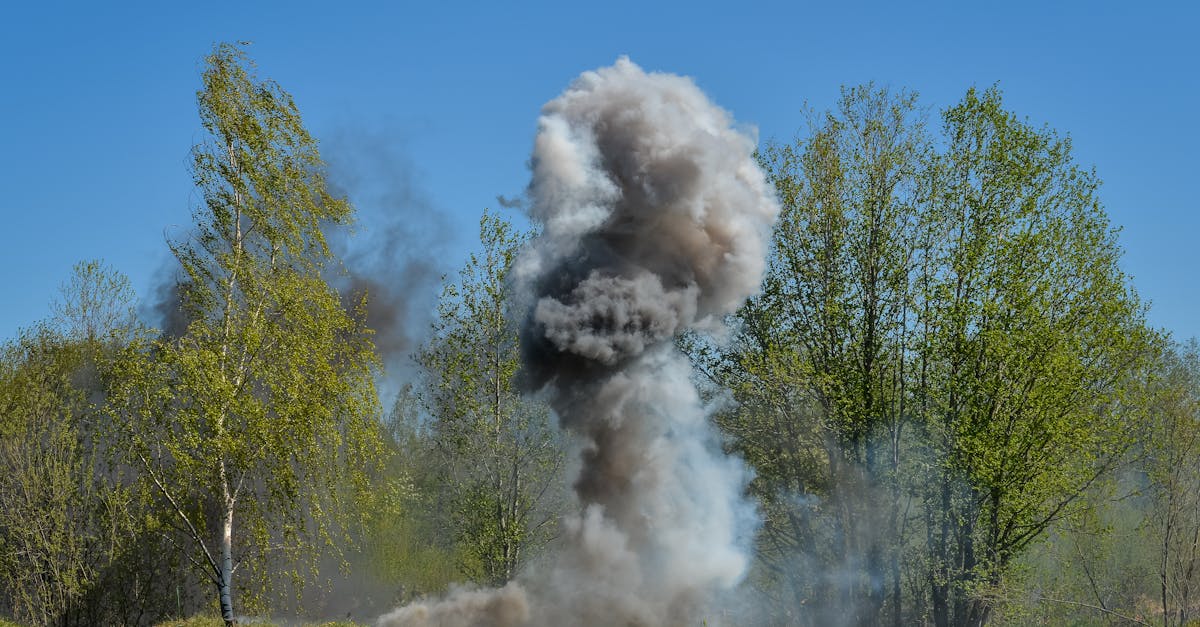
An official report reveals that Iran has targeted seven Arab countries, mostly in the Gulf, with over 5817 missiles and drones, alongside attacks using fighter jets. This escalation is part of Iran's response to the American-Israeli war and reflects rising regional tensions, with attacks recorded until 21:55 GMT on Thursday evening.
The targeted countries include the UAE, Kuwait, Bahrain, Qatar, Saudi Arabia, Jordan, and Oman. These figures have been documented through official data from these countries, reflecting the scale of the threats facing the region amid escalating conflicts.
Details of the Attacks
The Iranian attacks are distributed across the targeted Arab countries, utilizing missiles and drones in multiple operations. Experts indicate that these attacks are part of an Iranian strategy aimed at enhancing its regional influence, especially under increasing American and Israeli pressures.
Additionally, attacks involving fighter jets have been recorded, highlighting Iran's capability to execute complex military operations. This escalation is considered part of Iran's reactions to military operations targeting it, which it perceives as a threat to its national security.
Background & Context
Historically, Iran has been in a state of tension with many Arab countries, especially those located in the Gulf. These tensions have significantly increased following the escalation of American military activities in the region, which include support for traditional allies like Saudi Arabia and the UAE.
These attacks are part of a broader conflict between Iran and the United States and its allies, where Iran seeks to use its military strength as a means to pressure its adversaries. Recent years have seen an increase in Iranian military activities, including attacks on oil facilities in Saudi Arabia, complicating the security landscape in the region.
Impact & Consequences
These attacks directly affect regional security, raising concerns about a larger military escalation in the area. Furthermore, these events could lead to increased tensions between Iran and Arab countries, potentially negatively impacting stability in the Gulf.
Moreover, these developments may affect oil prices and financial markets, as the Gulf region is one of the world's most important oil-producing areas. Any escalation in the conflict could lead to significant market fluctuations, impacting the global economy.
Regional Significance
These events highlight the necessity of enhancing security cooperation among Arab countries to address common threats. There is an urgent need to develop effective strategies to tackle the increasing security challenges, including strengthening defensive capabilities and intelligence cooperation.
In conclusion, these developments underscore the importance of dialogue and understanding between Arab countries and Iran, as military escalation will only lead to further tensions and instability in the region.