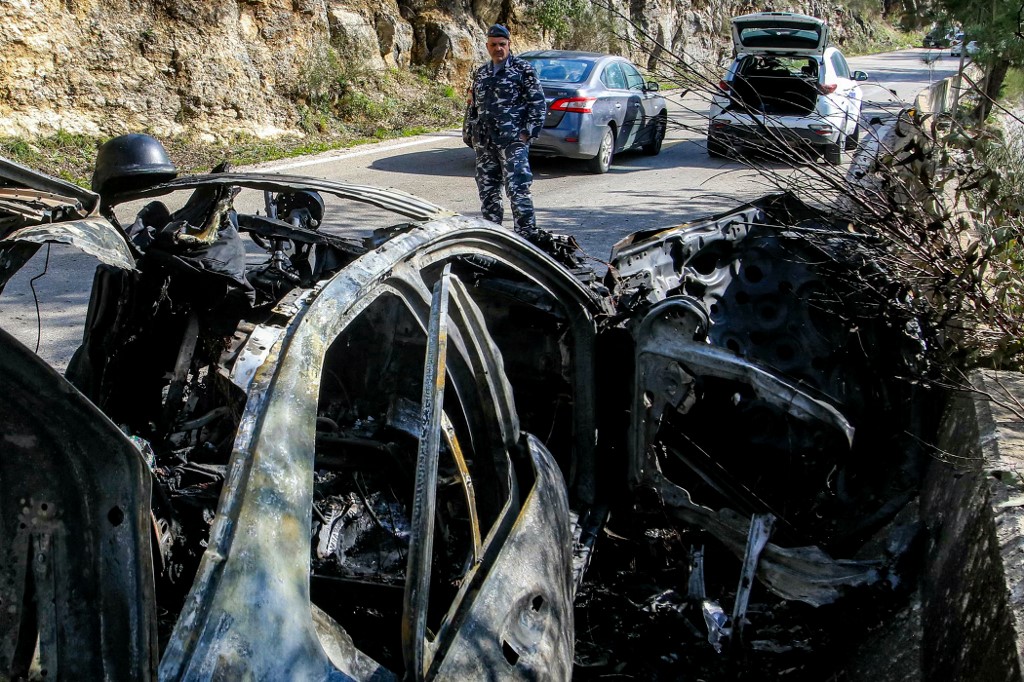
Bahrain's Aluminum Bahrain (Alba) has confirmed that its facilities were attacked by Iranian forces, leading to two individuals sustaining minor injuries. The incident occurred yesterday, and the Bahrain News Agency issued a statement detailing the event, noting that damage assessments are currently underway at the site.
The Iranian attack followed a statement from the Iranian Revolutionary Guard Corps, which announced its targeting of aluminum factories in Bahrain and the UAE as part of a reaction to previous assaults on Iranian steel plants. This escalation reflects the increasing tensions in the region and raises questions about the future of relations between Iran and Gulf states.
Details of the Incident
The attack on Bahrain's aluminum facilities represents a new escalation in a series of military tensions between Iran and its neighboring countries. Alba confirmed that the attack did not cause significant damage; however, the incident highlights the instability in the region. The statement also indicated that technical teams are working to assess the damage and provide necessary reports.
These events come at a sensitive time, as the region is experiencing heightened tensions due to military and political friction. Reports indicate that the Iranian Revolutionary Guard considers this attack a response to what it describes as "repeated assaults" on its industrial facilities.
Background & Context
Historically, relations between Iran and Gulf states have been marked by ongoing tensions, with differing political and economic interests. In recent years, these tensions have notably escalated, particularly following the United States' withdrawal from the Iranian nuclear deal and the imposition of new sanctions on Tehran. This situation has led to increased military provocations, including attacks on oil facilities in Saudi Arabia and assaults on commercial vessels in the Gulf.
Moreover, Iran seeks to enhance its influence in the region, which exacerbates tensions with Gulf states that fear the expansion of Iranian power. The attack on aluminum facilities in Bahrain occurs within this context, as Iran attempts to send a strong message to its regional adversaries.
Impact & Consequences
The Iranian attack on aluminum facilities in Bahrain could have serious implications for regional security. The military escalation may provoke reactions from Gulf states, increasing the likelihood of new conflicts in the region. Furthermore, this incident could impact foreign investments in Bahrain, as companies may hesitate to invest in an unstable environment.
Additionally, this attack may heighten tensions between Iran and Western countries, particularly the United States, which is closely monitoring the situation. The U.S. is expected to take diplomatic or even military actions in response to this escalation, complicating the situation further in the region.
Regional Significance
Arab countries are directly affected by this escalation, as any military escalation in the Gulf could impact maritime security and the regional economy. Other Arab nations may find themselves compelled to respond to these threats, further increasing instability in the region.
In conclusion, the Iranian attack on aluminum facilities in Bahrain marks a sign of rising tensions in the area, and the international community must urgently intervene to mitigate these tensions and ensure security and stability in the Gulf.