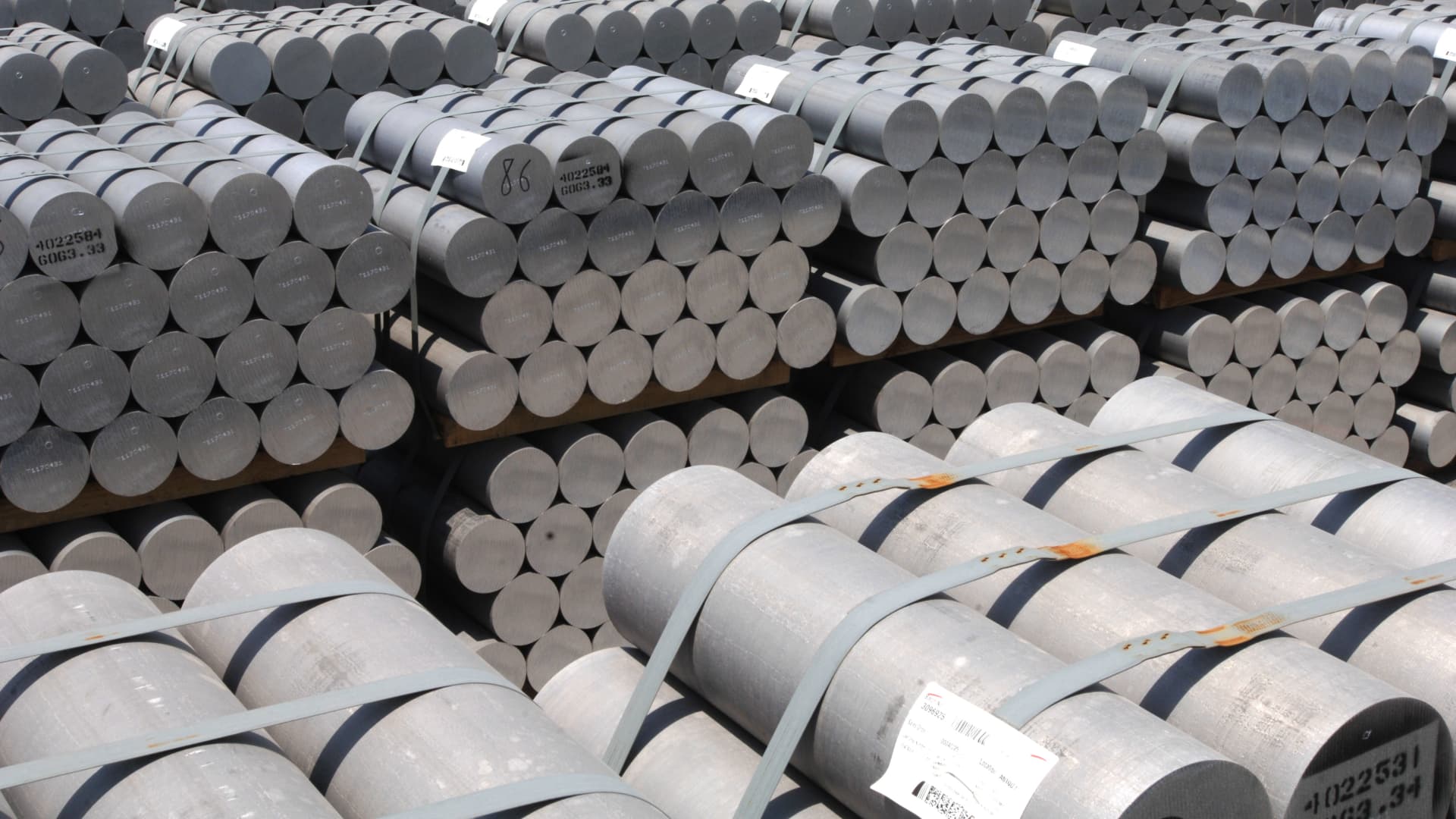
Aluminum Bahrain (Alba), the world's largest aluminum smelter, reported that its facility was attacked by Iran last Saturday, coinciding with escalating regional tensions led by the United States and Israel. The attack follows a month of heightened hostilities in the region, raising concerns about the stability of global aluminum supplies.
In an official statement, Alba confirmed that it is assessing the damage to its facilities and is focused on maintaining operational resilience and the safety of its employees. The company has reduced its production capacity by 19% of its total annual output of 1.6 million tons as a precautionary measure to ensure business continuity amid ongoing disruptions in the Strait of Hormuz.
Details of the Incident
The Iranian attack on Alba's facility is part of a series of reactions to hostilities that began on February 28, when Iran launched missiles and drones at its regional neighbors. Analysts have indicated that these actions could narrow maritime traffic through the Bab el-Mandeb Strait, adding further pressure on global trade.
Simultaneously, the United Arab Emirates reported that it is dealing with incoming missiles, indicating a rise in regional tensions. Iran-backed Houthi fighters also announced that they had launched missiles at Israel, highlighting their increasing role in the conflict.
Background & Context
Historically, the Arabian Gulf has been a center of geopolitical tensions, with Iran being a key player in regional conflicts. Since the onset of the current dispute, the region has witnessed an escalation in hostilities, affecting the stability of energy and commodity markets. Aluminum is a vital material in various industries, including electronics, transportation, and construction, making any disruption in its supply have far-reaching effects.
Reports indicate that aluminum prices have surged to their highest levels in four years, as production cuts and transportation disruptions contribute to growing fears of a global shortage of this essential material.
Impact & Consequences
The economic ramifications of this conflict could be significant, as aluminum is one of the essential materials in the global economy. Any supply shortages could lead to price increases, affecting various industries. Additionally, disruptions in maritime traffic could exacerbate the situation, as the Strait of Hormuz and Bab el-Mandeb are vital corridors for global trade.
As tensions escalate, fears grow that military confrontations could lead to broader conflicts, impacting both regional and global stability. Some analysts have noted that an increased U.S. military presence in the region may escalate the conflict rather than calm it.
Regional Significance
For Arab countries, the escalation of conflict in the Arabian Gulf presents a significant challenge. Nations such as Saudi Arabia and the UAE are directly affected by any disruptions in oil supplies or essential commodities. Furthermore, any military escalation could lead to economic and political repercussions that affect stability in the region.
In conclusion, the current situation in the Arabian Gulf requires careful monitoring, as any new developments could impact security and stability in the region, necessitating coordinated efforts among Arab nations to address these challenges.