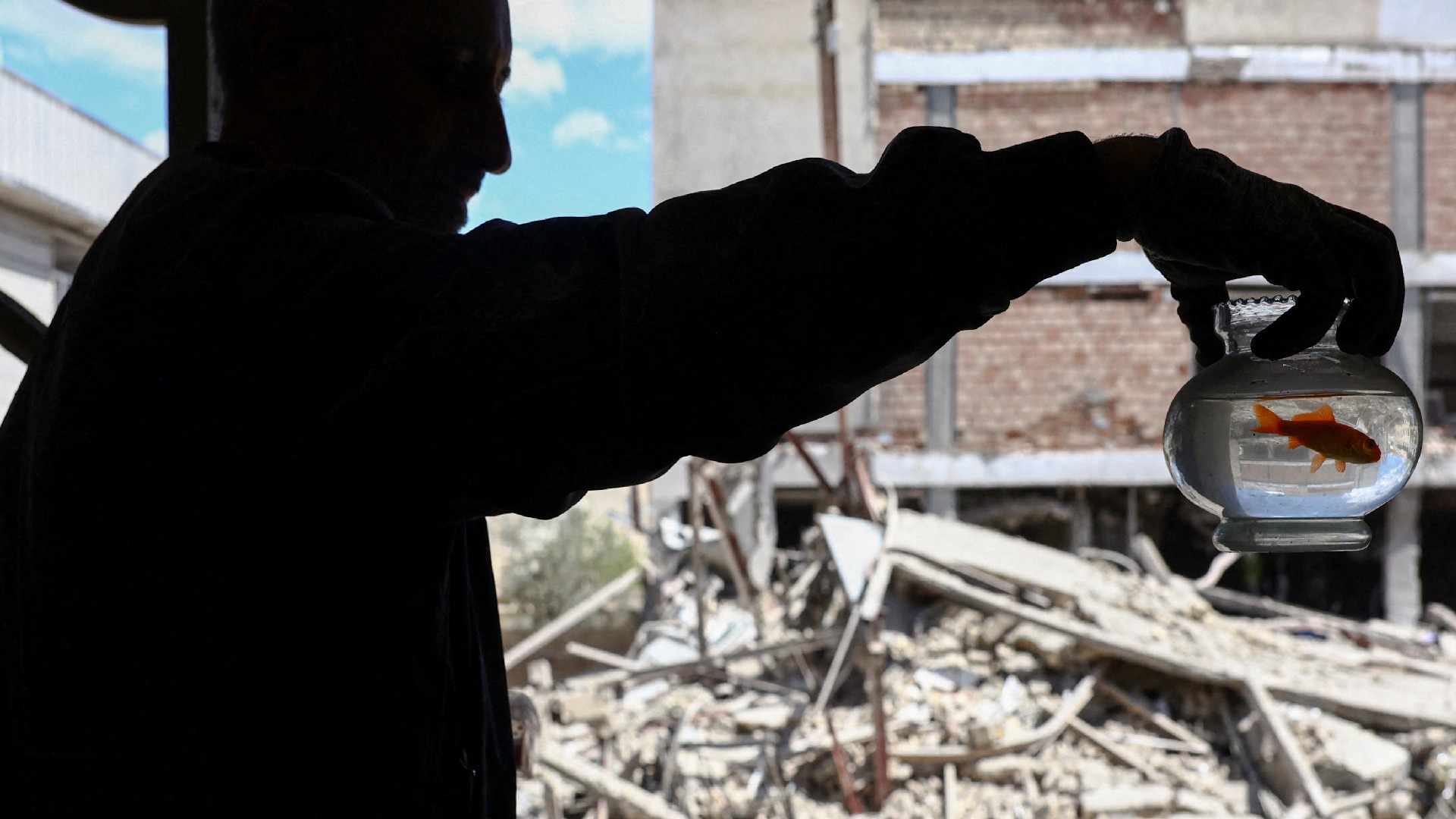
Iran targeted the Israeli port of Haifa with missiles, just minutes after former President Donald Trump claimed that war had destroyed Iran. The attack, announced via Iranian television, reflects a notable escalation in tensions between Tehran and Tel Aviv at a time when fears of conflict in the region are increasing.
Trump's remarks, in which he described Iran as 'destroyed,' came in the context of his discussion about the situation in the Middle East and the impact of American policy in the region. The Iranian attack on Haifa appears to be a direct response to these statements, highlighting how words can lead to rapid military escalation.
Details of the Incident
Reports indicate that Iranian missiles struck Haifa port, one of Israel's main ports, causing panic in the city. Immediate information regarding damages or casualties was not available, but the attack reflects Iran's capability to carry out military operations against Israeli targets, even amid international pressures.
These developments come at a time when relations between Iran and Israel are extremely tense, with both nations exchanging accusations of inciting violence. Israel has increased its military operations against Iranian targets in Syria, further escalating tensions in the region.
Background & Context
Historically, relations between Iran and Israel have been strained since the Islamic Revolution in 1979. Iran considers Israel a primary enemy and has supported armed groups such as Hezbollah and Hamas, complicating the security situation in the region. In recent years, Israel has intensified its operations against Iranian targets in Syria, provoking strong reactions from Tehran.
These events occur within a broader context of regional tensions, as Iran seeks to enhance its influence while Israel works to bolster its security through alliances with Arab nations. These dynamics make it difficult to predict the future of relations between the two countries.
Impact & Consequences
The attack on Haifa could have significant implications for regional security, potentially leading to greater military escalation between Iran and Israel. Israel may respond to this attack with military operations against Iranian targets, increasing the likelihood of a wider conflict in the region.
Moreover, these events could affect relations between Iran and Western countries, especially amid ongoing tensions surrounding Iran's nuclear program. Military escalation could complicate international diplomatic efforts aimed at containing Iran's nuclear ambitions.
Regional Significance
These events are significant for Arab nations, as they could impact the overall stability of the region. If tensions between Iran and Israel escalate, Arab countries may find themselves in a difficult position, needing to deal with the repercussions of any potential conflict.
Additionally, these events may lead to strengthened alliances between certain Arab countries and Israel in an attempt to counter the Iranian threat. However, public reactions in Arab nations may be complex, potentially leading to increased internal tensions.
In conclusion, recent events underscore the importance of monitoring developments in Iranian-Israeli relations, as they could significantly affect security and stability in the region.