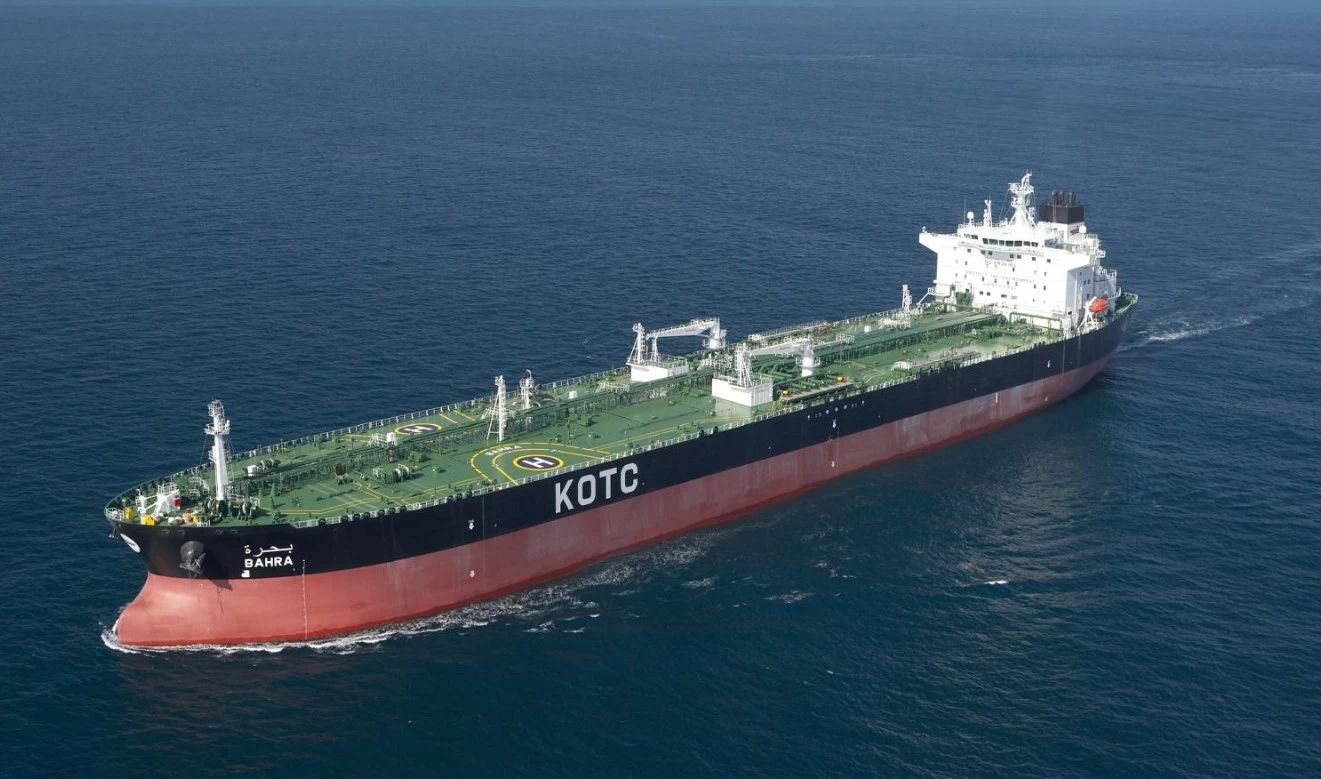
The Kuwait Petroleum Corporation announced today (Tuesday) that the giant crude oil tanker 'Salmi' was directly targeted by Iran while it was in the anchorage area of Dubai Port in the United Arab Emirates. The incident occurred while the tanker was carrying its full load, which heightened the severity of the situation.
According to the corporation, the attack resulted in material damage to the hull of the ship, in addition to a fire breaking out onboard. Reports also indicated a possibility of an oil spill in the surrounding waters, which could pose a significant environmental threat.
Details of the Incident
The 'Salmi' tanker is considered one of the largest Kuwaiti oil tankers and plays a vital role in transporting crude oil to global markets. The incident involving the tanker comes at a sensitive time, as regional tensions between Iran and Gulf countries are escalating. The Kuwait Petroleum Corporation confirmed that there were no human injuries as a result of the incident, and technical teams are currently working to assess the damage accurately.
This attack represents a new escalation in a series of incidents that have occurred in the region, where fears are growing regarding the targeting of commercial vessels in territorial waters. This incident follows a period of increasing tensions between Iran and the United States and its allies in the region.
Background & Context
Historically, the Arabian Gulf region has witnessed numerous incidents related to the targeting of commercial vessels, especially amid political and military tensions. Iran, which adopts an aggressive maritime policy, often uses such targeting as a means to pressure its adversaries. Recent years have seen an increase in such incidents, raising concerns within the international community.
Kuwait is one of the main oil-exporting countries, and oil tankers play a fundamental role in the Kuwaiti economy. Any attack on these tankers not only affects Kuwait but also extends its impact to global markets, potentially leading to rising oil prices and increased tensions in energy markets.
Impact & Consequences
The attack on the 'Salmi' tanker could lead to widespread repercussions, not only at the level of Kuwait but across the entire region. This incident is likely to increase tensions between Iran and Gulf countries, which could lead to military or economic escalation. Additionally, the possibility of an oil spill could negatively impact the marine environment, necessitating a swift response from relevant authorities.
Moreover, this incident may affect maritime traffic in the region, as neighboring countries might take precautionary measures to protect their vessels. Companies operating in the oil sector may also reassess their strategies under these changing circumstances.
Regional Significance
This incident reflects the security challenges facing Gulf countries, where risks associated with maritime transport in territorial waters are increasing. Amid escalating tensions, Arab countries may need to enhance their security cooperation to protect their economic interests. The incident also highlights the importance of having effective strategies to deal with such threats.
In conclusion, the situation in the Gulf region remains complex and requires close monitoring by the international community. The targeting of the Kuwaiti oil tanker 'Salmi' opens the door for discussion on how to address maritime threats and secure navigation in this vital area.