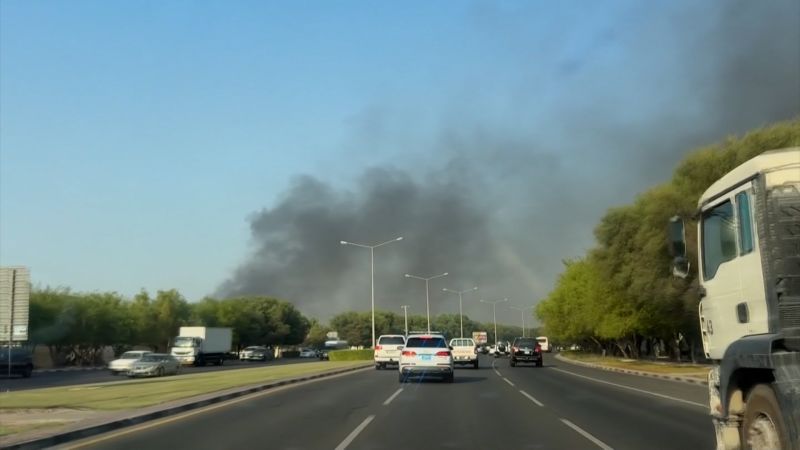
The region is witnessing a serious military escalation as Iran targeted an oil tanker off the coast of Qatar, while an Israeli airstrike in Beirut resulted in the deaths of five individuals. This escalation occurs during a sensitive time for regional stability, raising concerns about security in the area.
According to local sources, the Iranian attack on the oil tanker occurred late last night, causing significant damage to the vessel. This attack is considered part of a series of hostile actions in the region, reflecting the increasing tensions between Iran and neighboring countries.
Details of the Incident
The attack on the oil tanker came after a series of mutual threats between Iran and Gulf states, as Iran seeks to enhance its influence in the region. At the same time, the Israeli airstrike in Beirut resulted in the deaths of five people, escalating tensions in Lebanon and reflecting the ongoing conflict between Israel and Hezbollah.
These events occur amid rising regional tensions, with fears of a larger conflict breaking out in the area. Repeated attacks on commercial vessels in territorial waters raise concerns about maritime security, which could impact the global economy.
Background & Context
Historically, the region has witnessed numerous armed conflicts that have had profound effects on security and stability. The relationship between Iran and Gulf states has always been tense, especially following the U.S. withdrawal from the nuclear deal in 2018, which led to a military escalation.
Israeli airstrikes on Lebanon are not new, as Israel aims to prevent any enhancement of Hezbollah's military capabilities. This ongoing conflict reflects the deep-seated tensions afflicting the region and complicates the political landscape.
Impact & Consequences
The recent attacks could lead to a greater escalation in the conflict between Iran and Israel, potentially dragging other countries into the dispute. Additionally, these events may affect global oil prices, as any threat to maritime navigation can significantly drive up prices.
Moreover, the military escalation could impact regional security, leading to increased tensions between Arab states and Iran, further exacerbating instability in the region.
Regional Significance
Given the recent events, the situation in Lebanon and the Arabian Gulf raises concerns among Arab states. The military escalation could affect peace and stability efforts in the region, increasing divisions among Arab countries.
Furthermore, these events may lead to increased Arab support for Palestinian issues, as the Israeli escalation in Lebanon could provoke strong reactions from Arab nations. Ultimately, the current situation requires urgent diplomatic efforts to avoid further escalation.