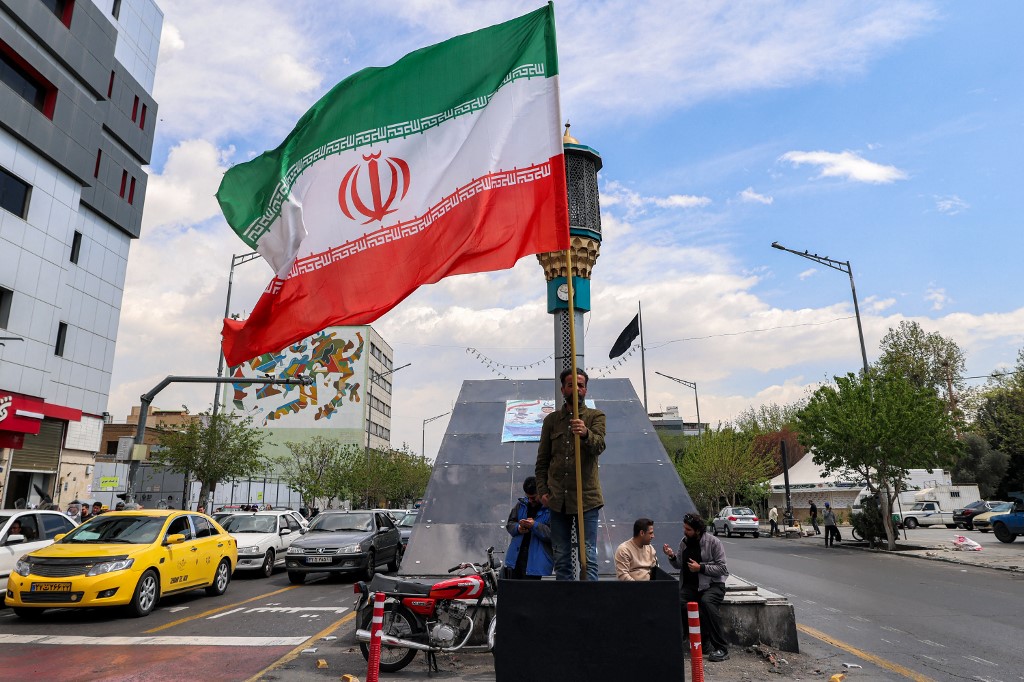
In a serious escalation of regional tensions, the semi-official Fars news agency reported that Iran has targeted a petrochemical complex in the industrial city of Jubail, located in the eastern region of Saudi Arabia. This attack comes at a critical time, as Saudi authorities have yet to issue any official comment regarding the incident.
Earlier, Israeli forces reported carrying out an attack on a petrochemical site in Shiraz, southwestern Iran. They confirmed in a statement that they targeted a facility producing nitric acid, which is used in the manufacture of explosives, indicating that this facility was one of the last remaining plants producing chemical components for the development of ballistic missiles in Iran.
Details of the Incident
The Iranian attack on Jubail is considered a significant escalation in the series of increasing tensions between Iran and Saudi Arabia, as it demonstrates the targeting of vital energy infrastructure in the Kingdom. Jubail is known to be one of the largest industrial cities in Saudi Arabia, housing many critical facilities that play an important role in the Saudi economy.
On the other hand, the Israeli attack on Shiraz reflects Tel Aviv's ongoing strategy of targeting Iranian activities that it perceives as threats to its national security. Israel claimed that the targeted facility was being used to support Iranian military activities, further complicating the security situation in the region.
Background & Context
Historically, relations between Iran and Saudi Arabia have been marked by increasing tensions, especially following the Iranian Revolution in 1979. Numerous events, such as the conflict in Yemen and the war in Syria, have fueled these tensions. Additionally, Iran's nuclear program and its military activities in the region have always been contentious issues between the two countries.
In recent years, mutual attacks between Iran and Israel have increased, with each seeking to bolster its influence in the region. The recent attacks indicate that the conflict may extend beyond traditional borders, targeting vital energy infrastructure, which could impact global oil markets.
Impact & Consequences
The ramifications of these events could be far-reaching, potentially leading to a larger escalation in the conflict between Iran and Israel, which may affect the stability of the entire region. Targeting petrochemical facilities could lead to fluctuations in oil prices, impacting the global economy.
Moreover, these events may compel major powers to reassess their strategies in the region, particularly the United States and Russia, both of which have significant interests in the Arabian Gulf. These countries are likely to reconsider their policies towards Iran and Saudi Arabia in light of the recent escalation.
Regional Significance
For Arab countries, this escalation serves as a wake-up call regarding the need to enhance regional security and cooperation among Arab states to address common challenges. The tensions between Iran and Saudi Arabia could affect the stability of Gulf states, necessitating a response from other Arab nations.
Ultimately, the current situation requires Arab states to take serious steps to bolster regional security and avoid slipping into larger conflicts that could impact security and stability in the region.