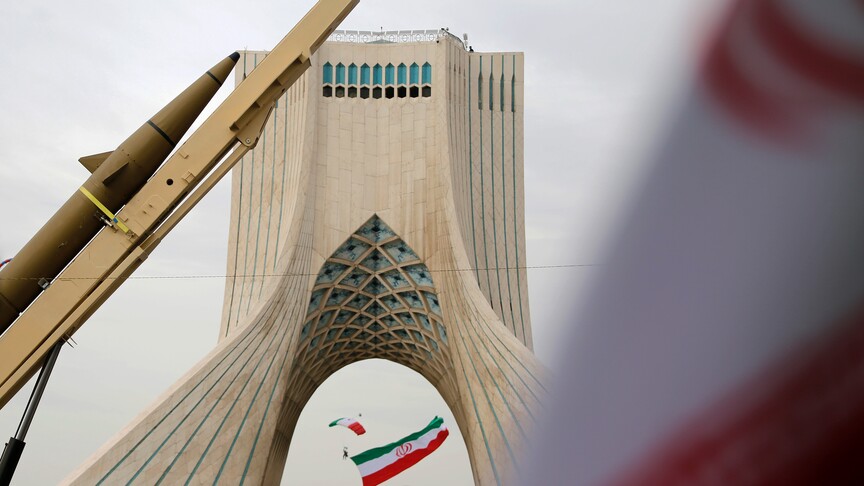
The Iranian Revolutionary Guard Corps has confirmed that it has targeted a US base in Kuwait as part of its response to a US strike that occurred near Bandar Abbas airport in southern Iran. This operation takes place at a sensitive time marked by increasing tensions between Iran and the United States, raising concerns in the region.
In an official statement, the Revolutionary Guard emphasized that the strike was a direct response to US attacks, indicating that this action aims to protect Iranian sovereignty. Sources reported that the strike targeted US military sites in Kuwait, reflecting an unprecedented escalation in the ongoing conflict between the two parties.
Details of the Incident
According to reports, the Iranian strike came just days after the US attack on sites in Iran, which Tehran considered a violation of its sovereignty. The Revolutionary Guard noted that these military operations are part of Iran's deterrence strategy against any aggressions.
The Iranian response was not limited to military strikes; it also included strong statements from Iranian officials asserting their country's right to defend itself. The region has witnessed a state of military alert following these events, with forces being reinforced in border areas.
Background & Context
Historically, Iranian-American relations have been marked by increasing tensions since the Islamic Revolution in 1979. These tensions have led to several military conflicts and diplomatic crises, the most recent being the US withdrawal from the nuclear agreement in 2018. Since then, Washington has imposed strict economic sanctions on Iran, exacerbating the country's economic and social conditions.
In recent years, Iran has increased its military activity in the region, including support for militias in Iraq, Syria, and Lebanon. These activities have raised concerns among neighboring countries and the United States, leading to heightened tensions in the Arabian Gulf.
Impact & Consequences
The Iranian strike against the US base in Kuwait could lead to further escalation in the conflict between Iran and the United States, threatening stability in the region. The United States may take retaliatory actions, potentially leading to a cycle of violence.
Additionally, these events could impact global oil markets, as any military escalation in the region may lead to rising oil prices. Oil-producing countries in the Arabian Gulf may find themselves in a sensitive position, as any escalation could affect their exports.
Regional Significance
The recent events in Kuwait are part of a broader conflict between Iran and Arab countries, particularly those cooperating with the United States. Gulf states, such as Saudi Arabia and the UAE, may feel concerned about the rising Iranian influence in the region, prompting them to strengthen their military alliances with Washington.
In conclusion, the region remains on high alert, as any new escalation could have serious repercussions for regional and international security.