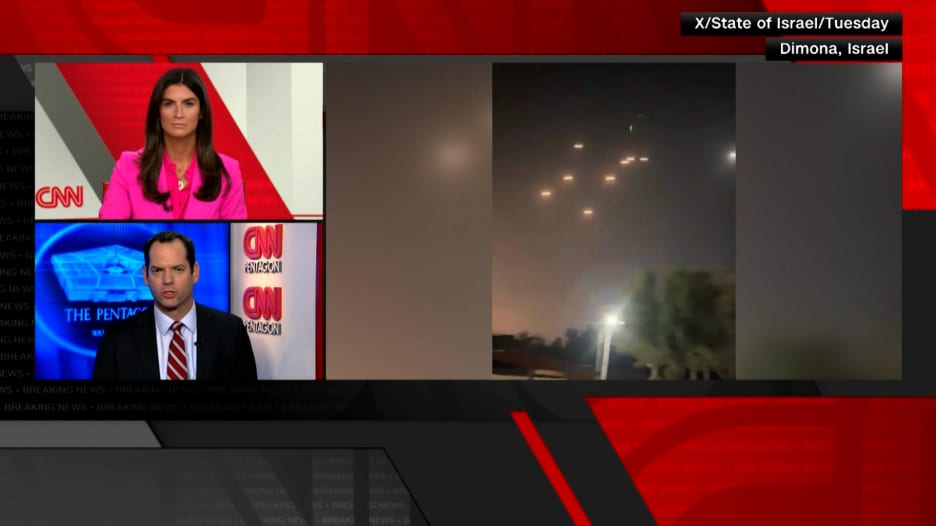
Iranian Foreign Minister Abbas Araqchi confirmed on Wednesday that his country targets US bases in the region, noting that these bases have been used to launch operations against Iran. Araqchi explained that Tehran does not harbor hostility towards neighboring countries, urging them to distance themselves from the Americans.
In a televised interview, Araqchi expressed surprise at the neighboring countries' failure to condemn what he described as the "American-Zionist war." He considered this confrontation a "golden point" in Iran's history, emphasizing Tehran's success in preventing two nuclear powers from achieving their goals and thwarting plans to divide the country or break the unity of the popular front.
Details of the Event
Regarding the Strait of Hormuz, Araqchi indicated that the strait has become "another defeat for the enemy," revealing that special arrangements are being studied for its management post-war. He confirmed that the enemy's attempts to seek assistance from other countries to open the strait have failed, stressing that it will remain closed to enemy vessels.
Araqchi warned all nations that the entry of their armed forces into the Strait of Hormuz would lead to increased tensions. He also emphasized that his country is documenting all "violations" committed during the war to pursue them in international forums.
Background & Context
Araqchi's statements come at a sensitive time when military tensions are escalating in the region, as Iran continues to bolster its defensive capabilities against what it perceives as threats from the United States and Israel. Concerns have grown regarding the escalation of conflict in the area, especially following repeated attacks on Iranian infrastructure.
Although Iran asserts that it does not seek war, it rejects any negotiations with the US under the current circumstances, with Araqchi noting that the United States sends messages through various intermediaries. However, he affirmed that this war is neither Iran's nor America's, but rather Israel's war, which the United States has been drawn into.
Impact & Consequences
There are increasing fears that these statements could lead to greater military escalation in the region, with many analysts pointing out that any attack on US bases could provoke a military response from Washington. Additionally, tensions in the Strait of Hormuz could affect maritime navigation and increase global oil prices.
At the same time, these tensions may lead to greater divisions among Arab countries, as their positions towards Iran and the United States vary. Some observers believe that these conditions could open the door to further external interventions in regional affairs.
Regional Significance
The recent developments in Iranian-American relations are of significant importance to the Arab region, as many countries are directly or indirectly affected by these tensions. Gulf countries, for instance, may find themselves in a precarious position if the situation escalates into military confrontation.
Moreover, the situation in Lebanon, Gaza, and Yemen, which are experiencing ongoing conflicts, could be significantly impacted by the rising tensions between Iran and the United States. In this context, a senior Iranian official announced five key demands for a ceasefire, including a complete halt to aggression against Iranian territory, ending the series of assassinations targeting leaders, compensating Iran for infrastructure losses, and stopping the war on all fronts.
In conclusion, the situation in the region remains tense, as Iran continues to assert its defensive stance while the United States and Israel maintain an offensive position, complicating the regional landscape further.