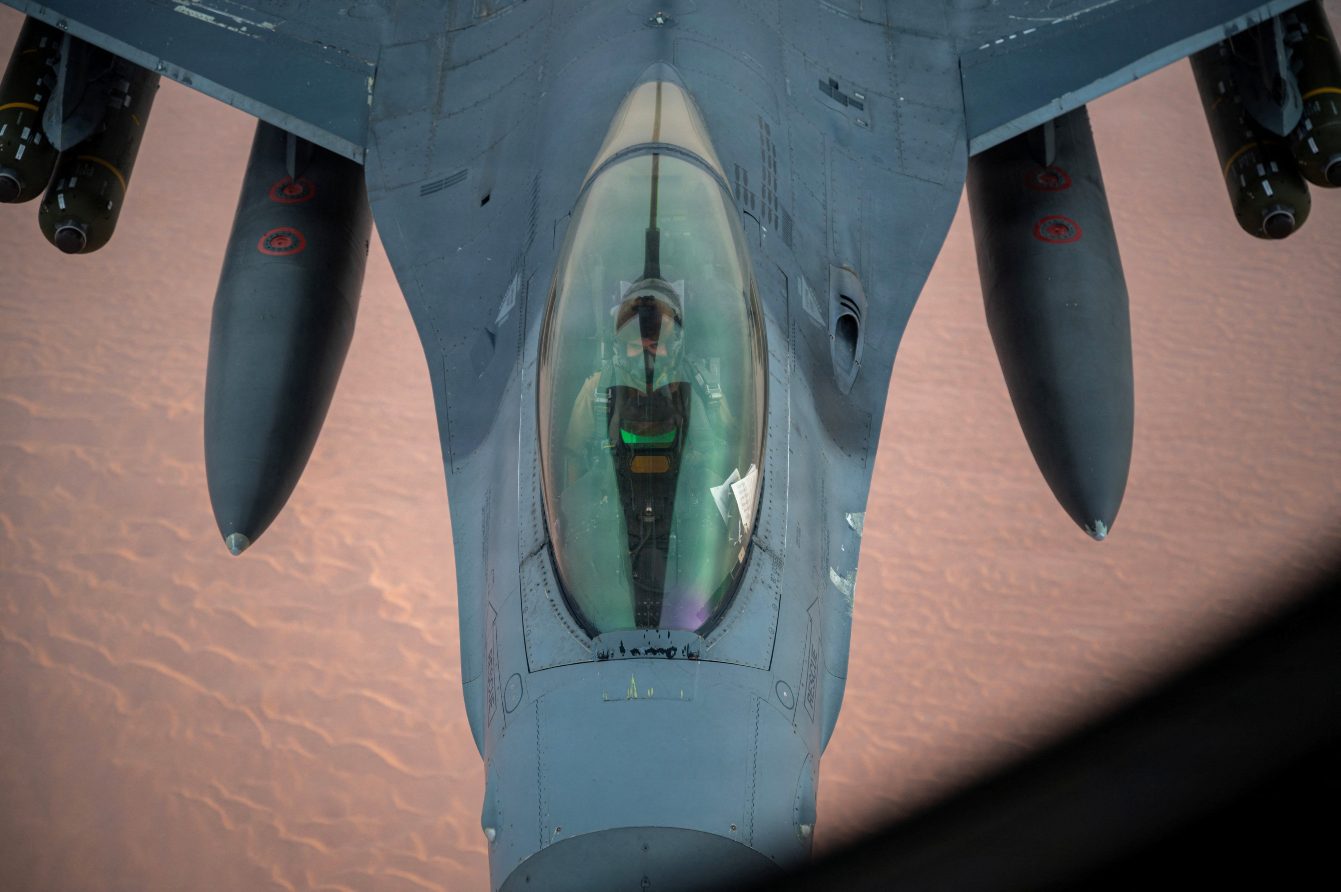
In a notable escalation of tensions in the Gulf region, the Iranian Revolutionary Guard announced its targeting of US sites in Bubiyan Island, Kuwait, and Patriot defense systems in Bahrain. These attacks come at a time when the region is witnessing an increase in Iranian assaults on US and Israeli infrastructure, raising concerns about a larger escalation in the regional conflict.
In this context, the UAE Ministry of Defense reported that it successfully intercepted 79 missiles and drones in the past 24 hours, including 23 ballistic missiles and 56 drones. These attacks have resulted in the deaths of two Emirati soldiers and a Moroccan contractor, in addition to 10 other civilians since the onset of the conflict, with 217 injuries.
Details of the Incident
The Iranian Revolutionary Guard confirmed that the attacks on US sites are a reaction to what it perceives as US interference in regional affairs. These assaults have heightened tensions between Iran and the United States, with Tehran accusing Washington of supporting Israel in its conflict against the Palestinians.
On the other hand, the UAE continues its efforts to bolster its air defenses, demonstrating a high capability to counter attacks, reflecting its readiness to face any potential threats. A spokesperson for the UAE Ministry of Defense indicated that these operations are part of protecting national security.
Background & Context
Historically, the Gulf region has experienced ongoing tensions between Iran and the United States, especially following Washington's withdrawal from the Iranian nuclear deal in 2018. Since then, Iranian attacks on US interests in the region have escalated, prompting military responses from the United States and its allies.
The recent events come at a sensitive time, as fears of a larger military escalation in the region are growing, particularly with increased Iranian military activities in Iraq, Syria, and Lebanon. This escalation is seen as part of Iran's strategy to enhance its influence in the region.
Impact & Consequences
The repercussions of these attacks extend beyond regional borders, potentially leading to increased tensions among major powers in the area, which could affect both regional and global security. Furthermore, military escalation may negatively impact the global economy, especially in energy sectors, as the Gulf region is a key hub for oil production.
Moreover, the continuation of these attacks could lead to greater divisions among Arab states, as some countries may adopt varying stances towards Iran, complicating the political landscape in the region.
Regional Significance
Considering the current events, the situation in the Gulf directly affects neighboring Arab countries, where national security concerns for nations like Saudi Arabia, Kuwait, and Qatar may be impacted. Additionally, military escalation could increase tensions between these nations and Iran, threatening overall regional stability.
In conclusion, the situation in the Gulf remains tense and requires intensive diplomatic efforts to avoid further escalation. Recent events reflect the significant challenges facing the region and underscore the importance of dialogue and understanding among the involved countries.