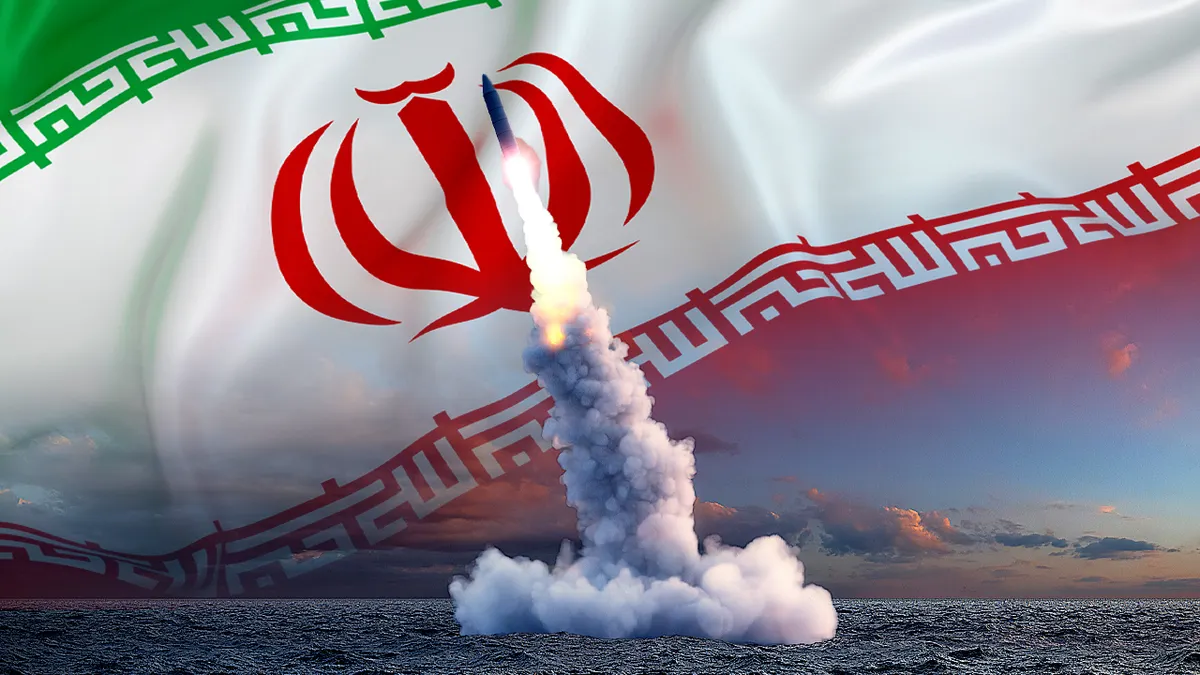
In a serious escalation of tensions in the Middle East, Iran's Revolutionary Guard has threatened to target American universities in the Gulf, calling on staff, professors, and students to stay at least one kilometer away from these institutions. These threats come in the wake of an attack on the University of Science and Technology in Tehran, raising significant concerns about the security of American educational institutions in the region.
The attack on the University of Science and Technology in Tehran, which occurred in the early hours of Saturday, has heightened tensions between Iran and the United States, as this incident is part of a series of events reflecting the escalating conflict in the area. This attack has provoked strong reactions from Iranian officials, who view any threat to American universities as a threat to Iranian sovereignty.
Details of the Incident
Reports indicate that the Revolutionary Guard has issued official warnings to employees and students at American universities, reflecting the escalating tensions between Iran and the United States. These warnings come at a sensitive time, as the region is experiencing increasing tensions due to ongoing conflicts in Iraq, Syria, and Yemen.
American universities in the Gulf, such as King Saud University and Qatar University, are leading educational institutions that attract students from around the world. However, Iranian threats could negatively impact the reputation of these institutions and their ability to attract international students.
Background & Context
Historically, relations between Iran and the United States have been marked by increasing tensions since the Islamic Revolution in 1979. These tensions have led to a series of military and economic conflicts, including economic sanctions imposed on Iran. In recent years, these tensions have intensified due to the conflict in Syria and the American military presence in Iraq.
American universities in the Gulf are part of the United States' strategy to enhance its influence in the region, making them a potential target for any escalation in conflict. Recent years have seen several attacks on American interests in the region, increasing security concerns.
Impact & Consequences
Analysts predict that these threats will lead to heightened tensions between Iran and the United States, which could negatively impact security in the region. Additionally, these threats may affect relations between Iran and Gulf countries, as some nations may take steps to bolster security at their educational institutions.
Furthermore, these threats could lead to a decline in the number of international students at American universities, which may affect the funding and resources available to these institutions. The rising tensions could also lead to potential military escalation, increasing risks for civilians in the region.
Regional Significance
These threats are part of the broader conflict in the Middle East, where Iranian and American interests intersect with those of Arab countries. Such tensions could increase divisions among Arab nations, as some may feel concerned about the rising Iranian influence in the region.
At the same time, these threats may prompt Arab countries to enhance their security and military cooperation to address any potential threats. The current situation could also open the door for new dialogue between Arab nations and Iran, if handled with caution.