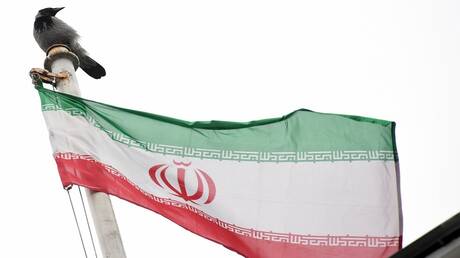
A senior Iranian security official stated that Tehran is capable of keeping the Strait of Hormuz closed to American and allied ships for an extended period. These remarks come at a time when tensions between Iran and the United States are escalating, raising international concerns about the security of navigation in one of the world's most important waterways.
The Strait of Hormuz is a vital point for oil and gas transportation, through which approximately 20% of the world's total oil supply passes. The Iranian official's statements are part of the military preparations and defensive tactics adopted by Tehran in response to what it perceives as threats from the United States and its allies in the region.
Details of the Event
In an interview with Press TV, the Iranian official explained that the country possesses the capability to implement this blockade for a long time, reflecting Tehran's readiness to confront any military movements by Washington. These statements follow a series of military maneuvers conducted by Iran in the region, aimed at enhancing its defensive capabilities.
These remarks serve as a warning to the United States and its allies, as any attempt to open the strait may face strong resistance from Iranian forces. Moreover, these statements come at a sensitive time, as fears of a potential military escalation in the region are increasing.
Background & Context
The Strait of Hormuz is one of the most important waterways in the world, linking the Arabian Gulf with the Gulf of Oman. Historically, the strait has witnessed numerous crises and tensions, especially during periods of conflict between Iran and the United States. In recent years, tensions have significantly increased due to economic sanctions imposed on Iran and mutual military threats.
Iran considers the Strait of Hormuz part of its national sovereignty and uses it as a means to exert pressure on Western countries. In recent years, Iran has carried out several military operations in the region, further escalating tensions between Tehran and Washington.
Impact & Consequences
If Iran follows through on its threats to close the Strait of Hormuz, it would significantly impact global oil markets, potentially leading to a sharp increase in oil prices. Additionally, closing the strait would complicate maritime navigation, potentially causing economic crises in countries that rely on Iranian oil.
The tensions in the region could also lead to military escalation, with the likelihood of the United States and its allies intervening directly to protect their interests. This dynamic could escalate the conflict between Iran and the West, increasing the likelihood of an open military confrontation.
Regional Significance
The Arab countries bordering the Arabian Gulf are among the most affected by the rising tensions in the Strait of Hormuz. Any closure of the strait would impact oil supplies to these countries, potentially leading to rising oil prices and negative effects on their economies.
Furthermore, the escalation of tensions may lead to increased divisions within the region, as some countries may take pro-Iran stances while others adopt opposing positions. These dynamics could exacerbate political and economic crises in the region.
In conclusion, the situation in the Strait of Hormuz remains under close observation, as any new developments could significantly impact regional and global security. It is crucial for the concerned countries to remain vigilant and seek diplomatic solutions to avoid military escalation.