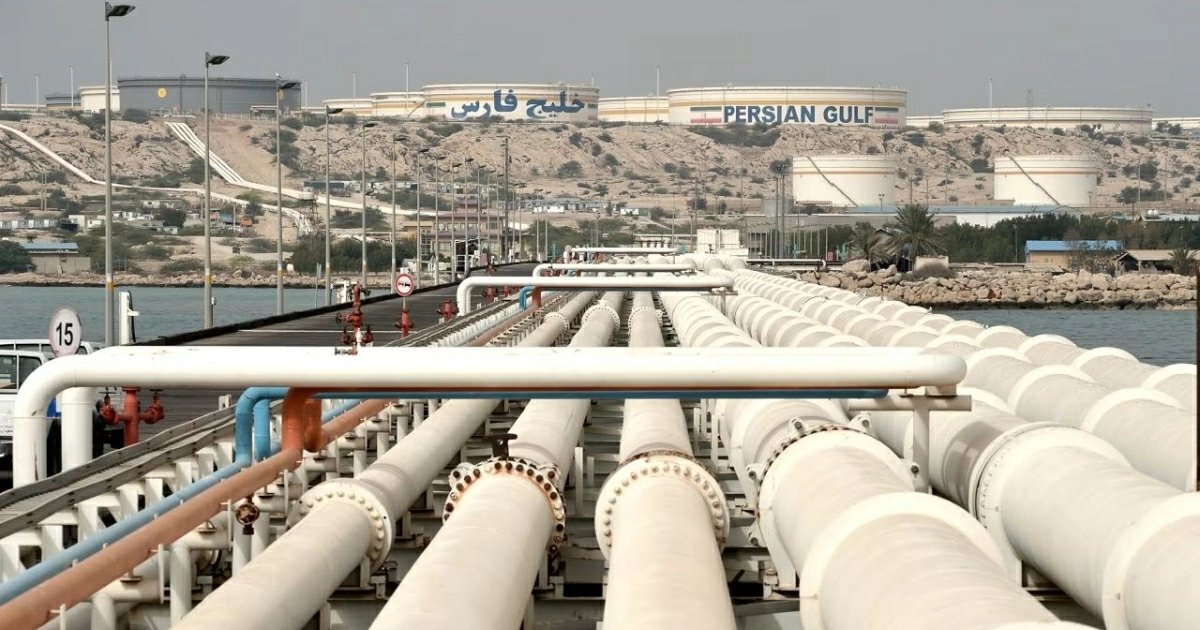
On Tuesday, Iran threatened to halt oil and gas supplies in the region for years if its civilian infrastructure is attacked by the United States. This statement was made by the Iranian Revolutionary Guard, which affirmed it would respond to any aggression on its territory. The statement indicated that Iran might take actions that extend beyond the region's borders if what it described as "red lines" are crossed.
In detail, the Iranian Revolutionary Guard stated that any attack on civilian infrastructure would be met with a strong response, emphasizing that Iran has not initiated attacks on civilian targets but will retaliate against any aggressions. It clarified that Iran has exercised restraint so far, citing considerations of good neighborliness, but these considerations may be disregarded if threats persist.
Details of the Incident
These threats come after remarks from U.S. President Donald Trump, who threatened to bomb power stations and bridges in Iran if the Strait of Hormuz is not reopened and an agreement reached by Tuesday evening. Simultaneously, reports emerged of airstrikes on several railway lines in Iran, following a warning from Israel advising Iranians not to use trains and to stay away from railways for 12 hours.
Iranian media reported that the country's infrastructure has been targeted by the United States and Israel, with two people killed in an attack on a railway bridge in Kashan. The Iranian Red Crescent Society also reported an airstrike on a railway line in Karaj, where video footage showed workers treating an injured person on site.
Background & Context
Historically, relations between Iran and the United States have seen increasing tensions, especially after Washington's withdrawal from the Iranian nuclear deal in 2018. Since then, the U.S. has imposed strict sanctions on Iran, exacerbating the country's economic and political conditions. Additionally, mutual threats between Iran and Israel have heightened tensions in the region, raising concerns about the stability of global oil markets.
In recent years, Iran has adopted a policy of responding to any aggressions by targeting U.S. interests and its allies in the region, leading to an escalation of conflict in the Arabian Gulf. The recent threats reflect a new escalation in this complex dynamic.
Impact & Consequences
If Iran follows through on its threats to cut oil and gas supplies, it could lead to a significant rise in oil prices, impacting the global economy. Iran is one of the largest oil producers in the world, and any disruption in its supplies could trigger a global energy crisis. This escalation may also provoke military reactions from the United States, increasing the likelihood of military conflict in the region.
Financial markets are also significantly affected by these tensions, as any escalation in conflict could lead to sharp fluctuations in stock and commodity prices. Global companies relying on Iranian oil may face substantial challenges in their operations.
Regional Significance
Neighboring Arab countries such as Iraq, Kuwait, and the UAE are on high alert due to the potential ramifications of any escalation. Any threat to oil supplies could directly impact the economies of these countries, which heavily depend on oil exports. Moreover, regional security stability may be jeopardized, increasing tensions between Arab nations and Iran.
In conclusion, the situation in the region remains tense, and the international community must work to de-escalate tensions and avoid any escalation that could lead to a larger crisis. Dialogue and understanding are the only paths to ensure security and stability in the region.