Iran continues its military escalation in the Gulf region, targeting oil tankers in regional waters, raising serious concerns about energy security and international navigation. These attacks come at a sensitive time as Gulf countries seek to enhance their defensive capabilities to protect their vital interests.
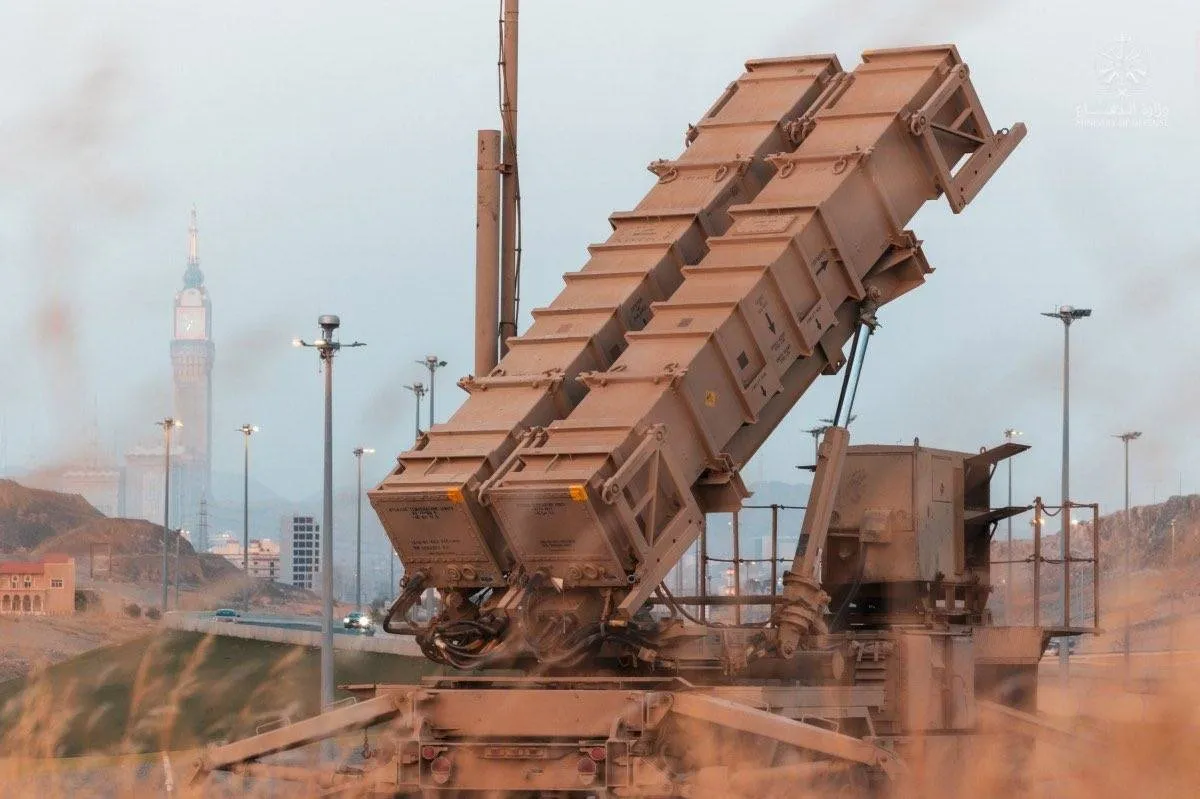
Amid these tensions, Gulf air defenses have successfully intercepted numerous missiles and drones, reflecting the high readiness of the armed forces to face increasing threats. Major General Turki Al-Maliki, the official spokesman for the Saudi Ministry of Defense, announced the interception and destruction of four drones in recent hours, confirming the success of military operations without any reported damage.
Details of the Incident
During a virtual meeting of the Arab Interior Ministers Council, Saudi Arabia reiterated its condemnation of Iranian attacks, emphasizing the importance of enhancing Arab security cooperation to counter threats. Prince Abdulaziz bin Saud, the Saudi Minister of Interior, stated that Iranian attacks represent a serious threat to regional security and cannot be justified in any way.
Kuwait International Airport also came under drone attack, resulting in a large fire, but no injuries were reported. Britain confirmed its support for Kuwait's security under these circumstances, highlighting the importance of international cooperation to counter such aggressions.
Background & Context
Through these attacks, Iran seeks to enhance its influence in the region, increasing tensions between Gulf states and Tehran. Recently, there has been a noticeable escalation in attacks, with oil tankers being directly targeted, threatening the stability of global energy markets.
Historically, the Gulf region has been a focal point for political and military tensions, with regional and international powers competing for influence. These attacks come at a sensitive time, as the international community strives for stability in the region.
Impact & Consequences
These attacks are causing increased concern among Gulf states, which may lead to enhanced military and security cooperation among them. Furthermore, the continuation of these aggressions could negatively impact global oil prices and increase instability in the markets.
Moreover, these tensions could lead to potential military escalation, threatening regional peace and security. If Iran continues to target oil tankers, it may provoke strong reactions from affected countries, further escalating conflict in the region.
Regional Significance
These events serve as a wake-up call for Arab countries, as the current situation necessitates strengthening security cooperation and coordination among nations to address common threats. Iranian escalation could lead to negative repercussions on regional security, requiring immediate and effective responses from Arab states.
In conclusion, the situation in the Gulf remains under scrutiny, with concerned countries needing to take urgent steps to protect their interests and ensure regional stability. Regional and international cooperation is the only way to address the increasing challenges in this context.