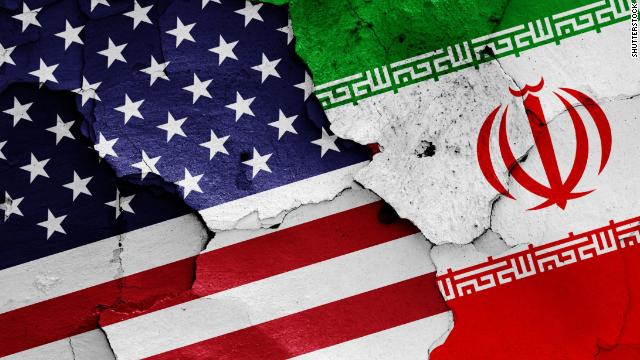
In a new development reflecting the rising tensions in the Middle East, Iran has confirmed it will conduct overwhelming attacks in response to increasing military pressures from the United States and Israel. This statement comes on the thirty-fifth day of a conflict that has begun to take on more complex dimensions, with airstrikes targeting regional infrastructure, raising fears of broader implications for regional security.
In a related context, the United Arab Emirates announced the suspension of operations at its Habshan gas plant after it sustained damage from debris resulting from the strikes. This decision reflects growing concerns about the impact of the conflict on vital facilities in the region, as the UAE is considered one of the countries most affected by regional tensions.
Details of the Event
The intensity of tensions in the region is increasing as military pressures from the United States and Israel on Iran continue, with reports indicating that Tehran is preparing for strong reactions to these pressures. Iranian officials have indicated that upcoming attacks will target military objectives that Iran perceives as threats to its national security.
At the same time, the United States continues to bolster its military presence in the region, further heightening tensions. Reports have shown that military movements include the deployment of more troops and military equipment to bases near Iran, raising concerns about a potential military escalation.
Background & Context
Historically, relations between Iran and the United States have been tense since the Islamic Revolution in 1979, with the region experiencing numerous military and political crises. In recent years, these tensions have notably escalated, especially following the U.S. withdrawal from the Iranian nuclear deal in 2018, which led to the imposition of severe economic sanctions on Tehran.
Israel is also a key player in this conflict, seeking to prevent Iran from developing its nuclear capabilities. Recent years have seen numerous Israeli airstrikes on Iranian targets in Syria, complicating the regional landscape further.
Impact & Consequences
Analyses predict that these escalations could lead to serious repercussions for regional security, as potential Iranian attacks could provoke military responses from the United States and Israel, threatening to ignite a full-scale conflict in the region. Additionally, the continued military pressures may exacerbate the humanitarian situation in Iran, which is already suffering from the effects of economic sanctions.
Moreover, these events could impact global energy markets, as Iran is one of the largest oil producers in the world. Any military escalation could lead to disruptions in oil supplies, negatively affecting global prices.
Regional Significance
Given the current situation, neighboring Arab countries such as Iraq and Syria could be significantly affected by any military escalation. The UAE, which announced the suspension of operations at its Habshan gas plant, may find itself in a precarious position if military pressures continue.
Ultimately, the situation in the region remains complex, requiring Arab nations to adopt cautious stances to address the increasing security challenges. Regional and international cooperation will be essential to maintain stability in the area.