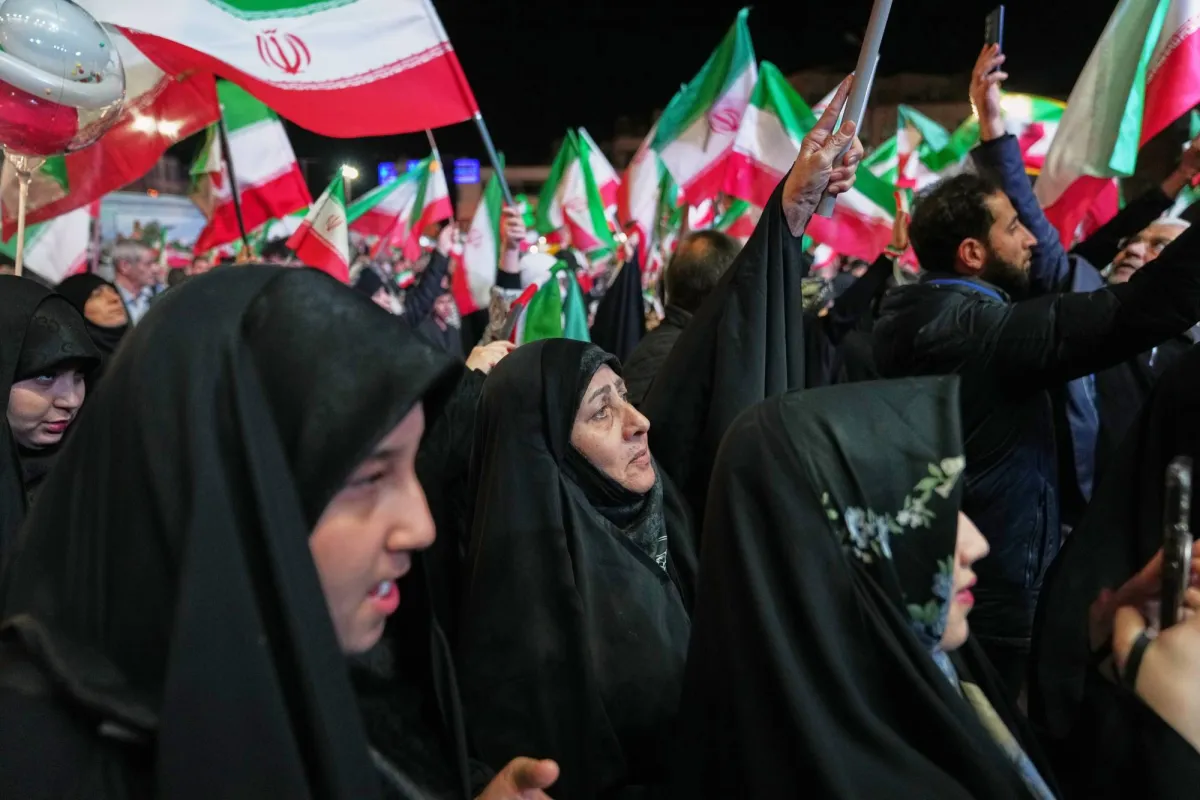
The Iranian Central Military Command warned on Monday of a harsh response if civilian targets are subjected to new attacks, emphasizing that the retaliatory operations will be more devastating and extensive. This warning was issued in a statement by the spokesperson for the Central Command of Khatam al-Anbiya, who confirmed that Iran will not hesitate to take strict measures to protect its sovereignty.
The Iranian leadership's statements come at a sensitive time, as U.S. President Donald Trump threatened on Sunday to bomb vital infrastructure in Iran, including bridges and power stations, if Tehran does not reopen the Strait of Hormuz. These threats are raising increasing concerns in the region, where fears of a military escalation that could lead to dire consequences are growing.
Details of the Warning
In an official statement, the spokesperson for the Iranian military leadership mentioned that any new attack on civilian targets would be met with an unprecedented reaction, indicating that the next phase of operations would be more comprehensive. This warning comes amid rising tensions between Iran and the United States, as both sides seek to achieve their strategic goals in the region.
At the same time, Iranian Deputy Foreign Minister Kazem Gharib Abadi warned that U.S. threats could amount to war crimes, pointing out that attacks on civilian infrastructure contradict international laws. These statements reflect Iran's concern over the potential for military escalation.
Background & Context
Historically, Iranian-American relations have seen increasing tensions, especially after the United States withdrew from the nuclear agreement in 2018. Since then, Washington has imposed strict sanctions on Tehran, exacerbating the economic and political situation in the country. The recent escalation occurs within the context of these growing tensions, as each side seeks to strengthen its position in the region.
Recently, information has circulated regarding the possibility of reaching a ceasefire agreement between the United States and Iran, which could contribute to easing tensions. However, the aggressive statements from both sides indicate that the situation remains fragile, and any mistake could lead to unexpected escalation.
Impact & Consequences
If tensions between Iran and the United States continue, it could lead to widespread military escalation, affecting stability in the region. Many neighboring countries, including Iraq and Syria, could be directly impacted by any potential escalation. Additionally, any attack on Iranian infrastructure could provoke strong reactions from Tehran, increasing the risk of an all-out war.
The economic repercussions would also be significant, as any military operations could disrupt trade flows in the Strait of Hormuz, one of the world's most crucial maritime passages. This situation could affect global oil prices and increase economic pressures on oil-dependent countries.
Regional Significance
Arab countries neighboring Iran find themselves in a precarious position, as they could be significantly affected by any military escalation. Countries like Iraq, Kuwait, and Saudi Arabia may find themselves caught in the middle of the conflict, heightening sectarian and political tensions in the region. Furthermore, any escalation could lead to an influx of refugees and increase humanitarian crises in the area.
In conclusion, the situation in the region remains tense, with growing fears of military escalation that could have dire consequences. It is crucial for the involved parties to seek dialogue and negotiation to avoid further escalation.