In a predicted escalation, Iran has confirmed that it will respond to Israeli attacks targeting strategic sites within its territory, including the Arak heavy water reactor and steel factories in Isfahan and Khuzestan. These statements were made by military expert Colonel Nidal Abu Zaid, who noted that Tehran may target sensitive sites in southern Israel.
Major General Majid Mousavi, commander of the aerospace forces in the Iranian Revolutionary Guard, affirmed that Tehran is no longer committed to responding in kind but is prepared to target any site it deems strategic. This escalation comes amid increasing tensions between Iran and Israel, as each side seeks to bolster its military positions in the region.
Details of the Incident
The recent Israeli attacks on Iranian sites followed shortly after former US President Donald Trump granted Tehran a new deadline, heightening tensions. Israel targeted vital locations in Iran, prompting the Revolutionary Guard to announce a list of potential targets, which includes six steel factories in Israel as well as targets in five other countries in the region.
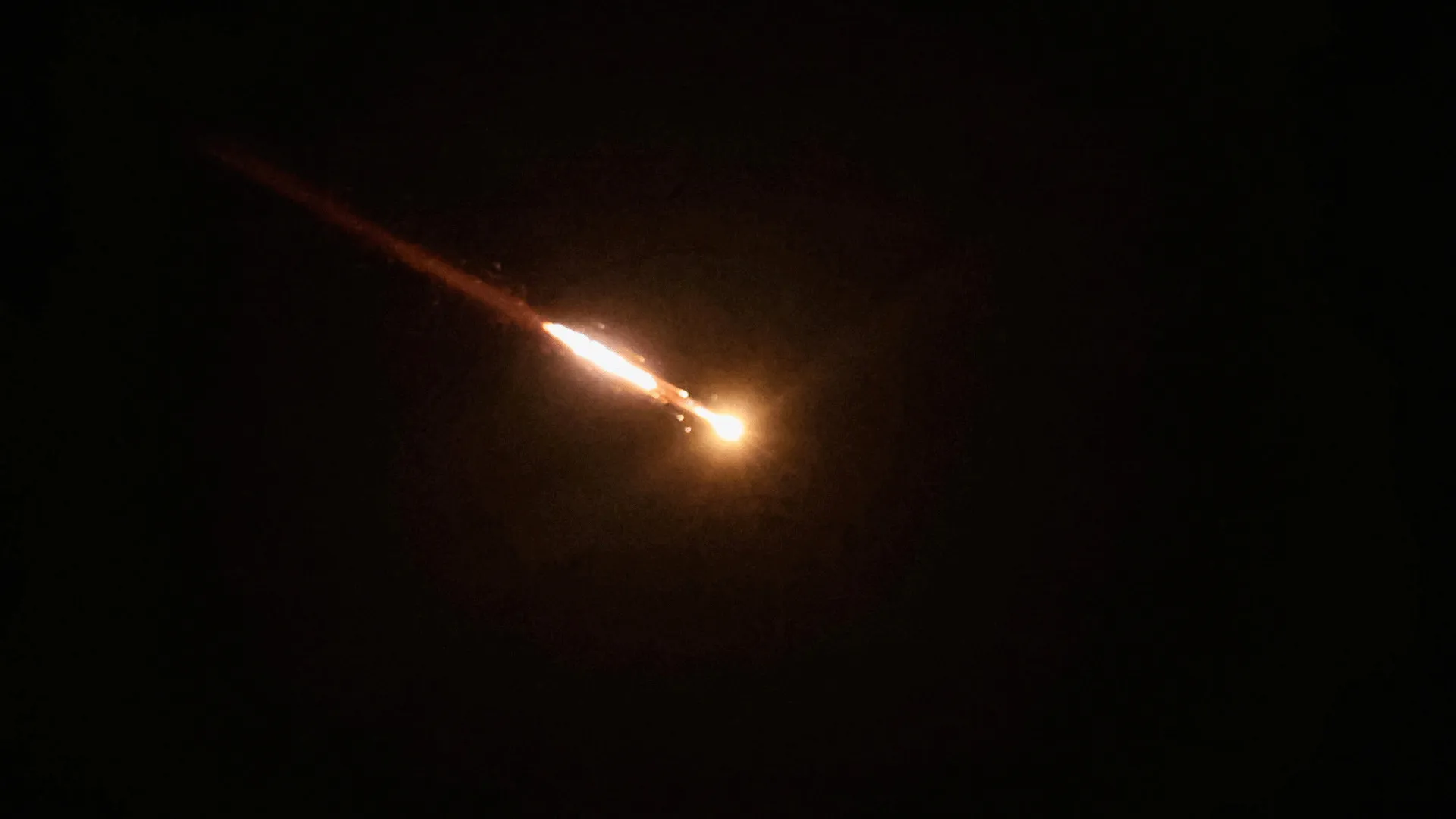
In response, Israeli reports indicated that one person was killed and others injured due to missile strikes following the Israeli bombardment. Iran launched a cluster missile towards central Israel, while other Iranian missiles were intercepted in various parts of the country, triggering alarm sirens in Beersheba and the Negev.
Background & Context
Historically, relations between Iran and Israel have been marked by increasing tensions, with Israel viewing Iran as an existential threat due to its nuclear program and support for armed factions in the region. In recent years, Israel has intensified its military operations against Iranian targets in Syria and Iraq, leading Iran to adopt a deterrent policy by targeting Israeli sites.
These events occur within a broader conflict in the Middle East, where regional and international interests overlap, complicating the security landscape. The escalation between Iran and Israel could impact regional security and increase the likelihood of new conflicts erupting.
Impact & Consequences
The military escalation between Iran and Israel could have serious repercussions for regional security, potentially broadening the conflict to include other countries in the area. Targeting sensitive sites in southern Israel, such as the Diemona nuclear reactor, could change the rules of engagement in the conflict.
These tensions are likely to lead to increased military and political support from major powers for both sides of the conflict, complicating peace efforts in the region. Furthermore, the rise in violence may adversely affect the regional economy and exacerbate the suffering of civilians.
Regional Significance
Arab countries are directly affected by the escalating tensions between Iran and Israel, as any escalation could have repercussions for security and stability in the region. Arab nations with ties to Israel may find themselves in a precarious position, impacting their domestic and foreign policies.
Moreover, the ongoing conflict could heighten feelings of tension and division among Arab states, hindering regional cooperation efforts. Under these circumstances, it becomes essential for Arab countries to enhance dialogue and collaboration to avoid any escalation that could lead to new conflicts.