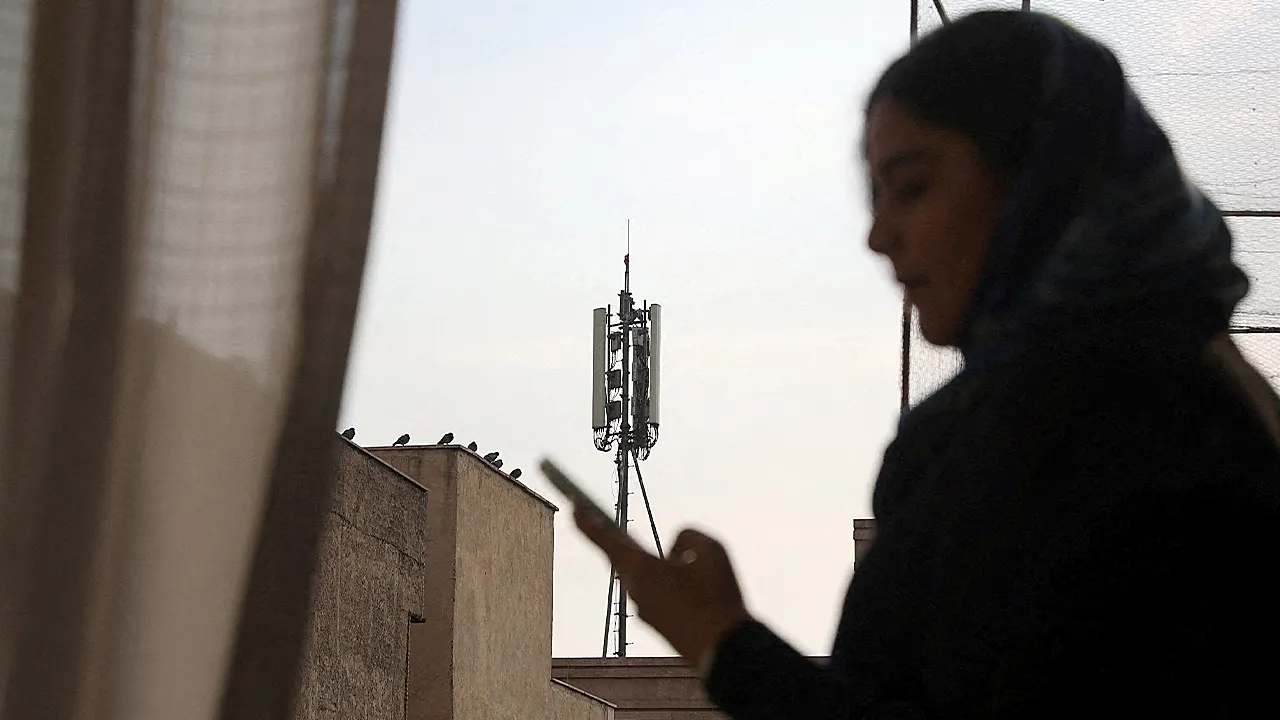
Iran has recently announced threats to cut undersea cables in the Arabian Gulf, which could lead to destabilization of the global internet. These statements come amid escalating regional tensions, as these cables are vital arteries for data transmission between countries.
Undersea cables are essential infrastructure that connects the internet worldwide, running through the Arabian Gulf and reaching many nations. If Iran follows through on its threats, it would affect millions of users globally, raising concerns about cybersecurity and network stability.
Details of the Incident
These threats arise during a period of increasing tensions between Iran and Western nations, particularly the United States. Iranian officials have indicated that cutting undersea cables could be a response to sanctions imposed on their country, reflecting an escalation in Iran's strategy towards major powers.
These statements are part of Iran's policy of using threats as a means to pressure its adversaries, as the region has previously experienced numerous crises that have heightened military and political tensions.
Background & Context
Historically, the Arabian Gulf has witnessed several conflicts that have impacted maritime security. Undersea cables have always been targets of threats, with Iran being one of the countries capable of influencing this infrastructure. In recent years, Iran has increased its activities in the region, leading to international concerns about internet stability.
In 2019, several oil tankers were attacked in the Gulf, exacerbating tensions. Recent statements reflect Iran's continued use of unconventional strategies to pressure its opponents, complicating the regional situation further.
Impact & Consequences
If Iran executes its threats, it could lead to widespread internet service disruptions, affecting businesses and personal communications. Global companies that rely heavily on the internet would be significantly impacted, potentially resulting in substantial financial losses.
Moreover, this escalation could provoke reactions from Western nations, increasing military tensions in the region. The United States and its allies may take countermeasures to protect their interests, heightening the risk of military escalation.
Regional Significance
These threats are a source of concern for Arab countries bordering the Gulf, as many of these nations rely on the internet in all aspects of life. Service interruptions could have negative effects on national economies, raising fears about social and political stability.
Additionally, these events may lead to enhanced cooperation among Arab nations to confront shared threats, potentially contributing to regional security. At the same time, Arab countries must be prepared to address any potential cybersecurity repercussions.
In conclusion, Iranian threats to cut undersea cables pose a significant challenge to global cybersecurity, necessitating a coordinated response from concerned nations to ensure internet stability and protect economic interests.