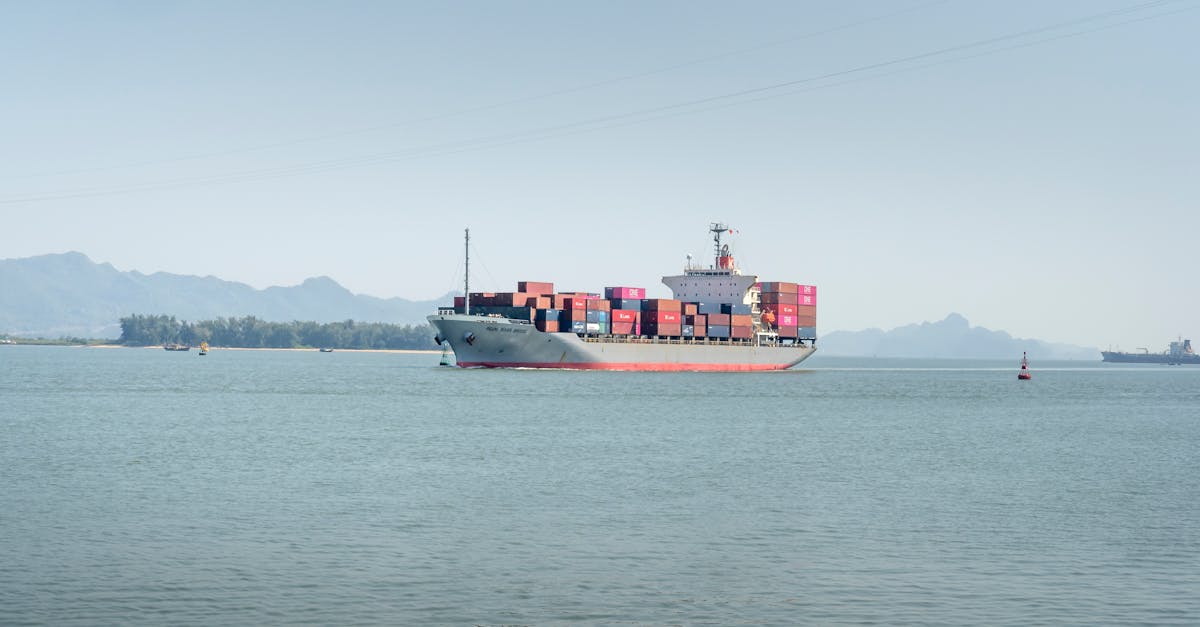
Iran has declared its intention to take measures that may include halting shipping in the Strait of Hormuz in response to the aggression faced by Lebanon. These statements come amid rising tensions in the region, raising concerns about the impact on international shipping.
The Strait of Hormuz is one of the most crucial waterways in the world, through which approximately 20% of global oil exports pass. Any disruption in shipping could lead to a spike in oil prices and significantly impact the global economy.
Details of the Event
During a press conference, Iranian officials confirmed that their country would not hesitate to take stringent steps to protect its national interests. This announcement followed an increase in attacks on Lebanon, prompting Iran to express its support for its allies in the region.
Officials also indicated that any aggression against Lebanon would be met with a strong reaction, asserting Iran's right to protect its national security. These statements reflect Iran's strategy in confronting threats, viewing Lebanon's security as an integral part of its own.
Background & Context
Historically, the Strait of Hormuz has witnessed numerous tensions due to regional conflicts. In recent years, tensions between Iran and the United States have intensified, affecting the stability of the region. Iran regards the Strait of Hormuz as a vital artery, and any threat to it could lead to significant escalation.
Simultaneously, Western powers continue to exert pressure on Iran over its nuclear program, complicating the situation further. These dynamics directly influence regional security and increase the likelihood of military escalation.
Impact & Consequences
If Iran follows through on its threats to halt shipping in the Strait of Hormuz, it could lead to a sharp increase in oil prices, impacting the global economy. Oil-importing countries would face significant challenges in securing their supplies, potentially leading to volatility in financial markets.
This escalation could also drag the region into a broader conflict, as major powers may intervene to protect their interests. Tensions in the Strait of Hormuz could result in military escalation between Iran and Western nations, heightening the risk of a comprehensive war in the region.
Regional Significance
Iran's threats to halt shipping in the Strait of Hormuz have direct implications for Arab countries. Many Gulf nations heavily rely on oil passing through this strait, and any escalation could affect their economic stability.
Furthermore, the situation in Lebanon could negatively impact relations between Arab nations and Iran, as some countries may find themselves compelled to adopt hardline stances amid rising tensions. This could lead to new divisions in the region and complicate political situations further.
In conclusion, the situation in the Strait of Hormuz remains under close observation, as any new developments could result in radical changes in the regional and international landscape.