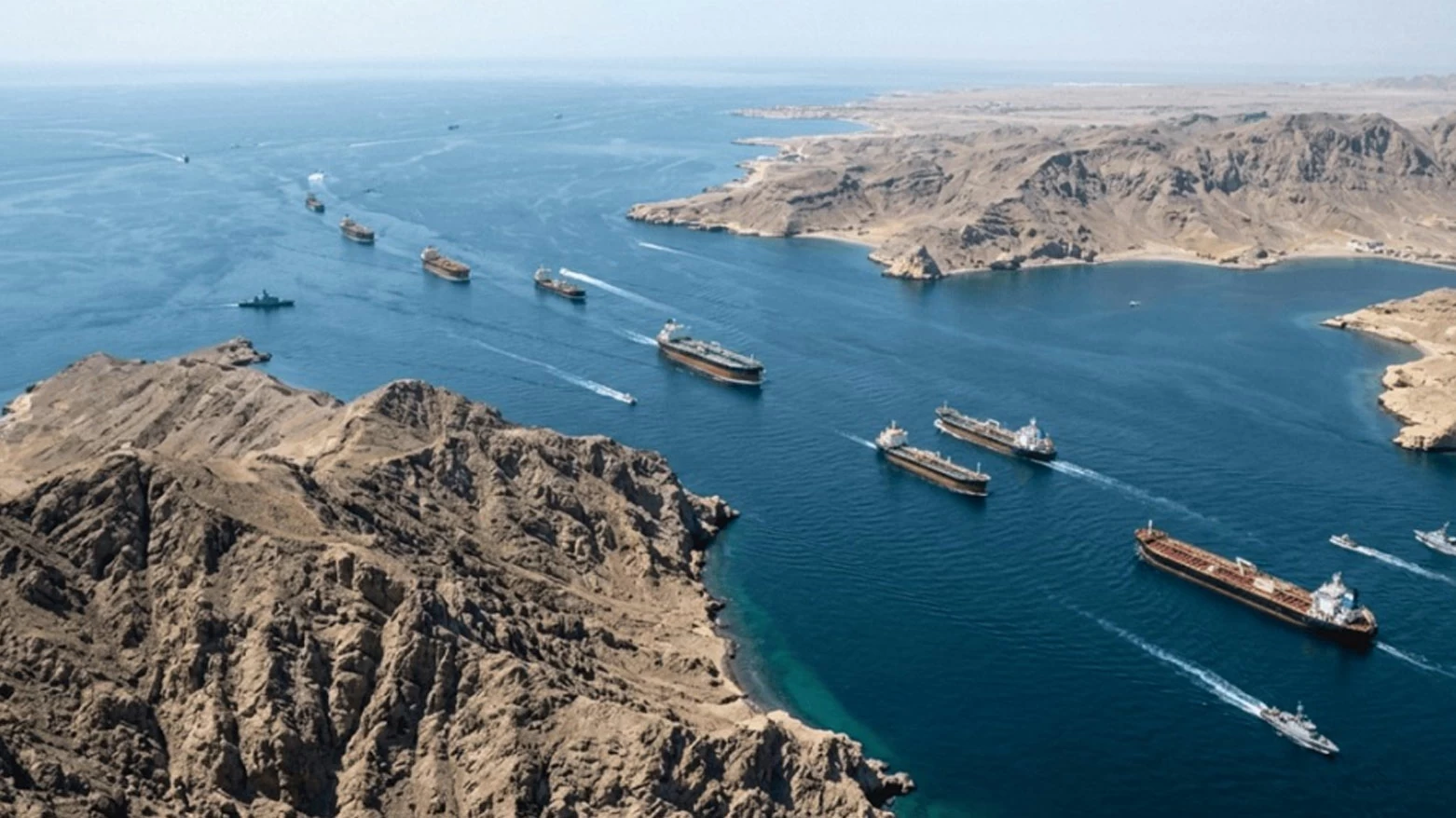
Recent U.S. intelligence reports have warned that Iran will not open the Strait of Hormuz anytime soon, as its control over this vital waterway provides it with essential leverage against the United States.
Informed sources suggest that Tehran is likely to keep the Strait of Hormuz closed to maintain high energy prices, using it as a means to pressure U.S. President Donald Trump to end the ongoing war that has lasted for nearly five weeks.
Details of the Situation
Analysts have long cautioned that any attempt to use force against Iran, which controls one side of the strait, could be costly and draw the United States into a prolonged ground war. Observers have noted that Tehran recognizes its ability to influence global energy markets through its control of the strait is "more effective than nuclear weapons."
Trump's stance on the possibility of U.S. involvement in reopening the strait has changed. On one hand, he has made ending Iran's control over the strait a precondition for a ceasefire, while on the other hand, he has called on NATO countries to take the lead in reopening it.
Background & Context
A White House official stated that Trump is "confident the strait will be open very soon," and it was clear that Iran would not be allowed to regulate navigation in the waterway post-war. However, the official pointed out that Trump mentioned other countries "have much greater interests in preventing this outcome" compared to the United States.
According to reports, the Iranian Revolutionary Guard, which lacks sufficient armament, has employed various tactics to make commercial shipping through the waterway extremely dangerous or unsafe since the war began on February 28. Three sources indicated that the latest intelligence reports warn that Iran is unlikely to relinquish this leverage in the near future.
Impact & Consequences
These sources refrained from disclosing the entities that issued these assessments. One source added, "It is certain that Iran, after tasting its power and influence over the strait, will not easily give it up." The continued Iranian control over the strait could lead to escalating tensions in the region and directly impact global energy markets.
This situation may place the United States in a difficult position, as it must make strategic decisions that could lead to military escalation or seek complex diplomatic solutions.
Regional Significance
Iran's control over the Strait of Hormuz is a vital issue for oil-producing Arab countries, as the strait is a crucial artery for transporting oil to global markets. Any escalation in tensions could affect oil prices and increase economic pressures on Arab nations.
In conclusion, under these circumstances, the question remains open as to how the United States will address this challenge and whether it will succeed in reopening the strait without escalating tensions with Iran.