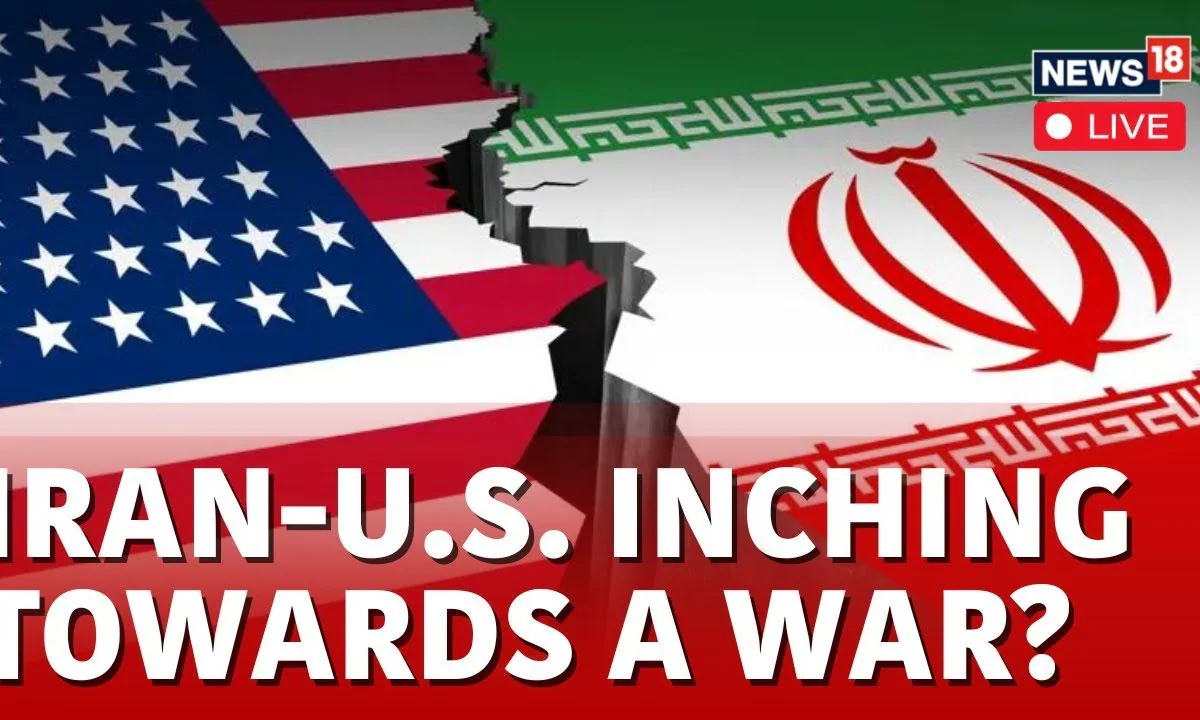
In striking remarks, Iranian Foreign Minister Seyyed Abbas Araghchi confirmed that trust in the United States has plummeted to unprecedented levels, describing it as being "at zero." Araghchi explained that negotiations with Washington are no longer on the table, pointing out that there has been no communication or response from the Iranian side regarding US proposals.
During the interview with Al Jazeera, Araghchi noted that Iran has not received any offers from the United States, nor has it put forth any proposals of its own. These statements reflect a growing tension between Tehran and Washington, amid rising fears of potential military escalation in the region.
Details of the Event
Araghchi, who has served as Foreign Minister since 2019, asserted that Iran does not feel threatened by any potential threats from the United States, mentioning that there are "many forces" that will stand against any American moves. These remarks come in light of reports suggesting the possibility of US military operations in the region, which heightens the tensions.
He also added that Iran is closely monitoring the situation and is prepared to confront any escalation from the US side. These statements reflect Iran's steadfast position in the face of American pressures and underscore its unwillingness to negotiate under current circumstances.
Background & Context
The roots of tensions between Iran and the United States date back decades, with relations deteriorating significantly since the 1979 Islamic Revolution. Since then, the United States has imposed stringent economic sanctions on Iran, severely impacting the Iranian economy and exacerbating social and political conditions within the country.
In recent years, the administration of former US President Donald Trump attempted to pressure Iran by withdrawing from the 2015 nuclear agreement. This withdrawal led to heightened tensions, with Iran responding by advancing its nuclear program, raising concerns within the international community.
Impact & Consequences
Many analyses predict that these statements will exacerbate conditions in the region, as the United States may resort to military actions against Iran, potentially leading to open conflict. Simultaneously, these tensions could increase polarization in the region, as other countries may seek to strengthen their alliances with either Iran or the United States.
On the other hand, these conditions may impact global oil prices, as any military escalation in the region could lead to a significant rise in prices, affecting the global economy as a whole.
Regional Significance
The Iranian-American relationship is a key focal point in Middle Eastern politics, directly influencing Arab nations. Tensions between Iran and the United States could lead to increased strife in countries such as Iraq, Syria, and Lebanon, where influential Iranian forces are present.
Arab nations may find themselves compelled to take clear stances regarding these tensions, which could affect their relations with both Iran and the United States. Under these circumstances, the most pressing question remains: how will Arab nations respond to the escalating tensions between Iran and the United States?