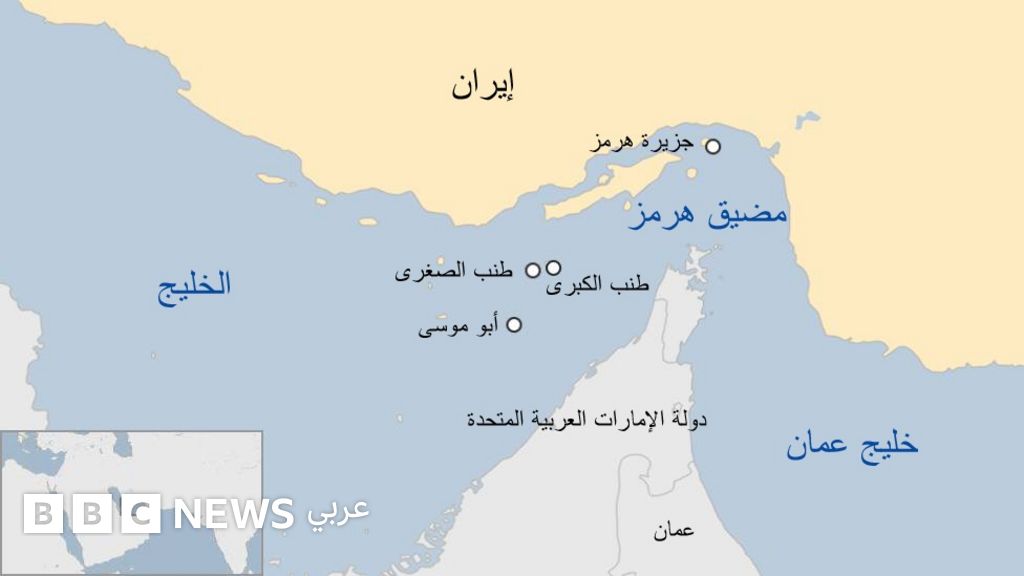
Iran has introduced a new plan consisting of ten points aimed at managing the Strait of Hormuz, one of the world's most important maritime corridors. This plan is part of Tehran's efforts to bolster security and stability in the region amidst escalating geopolitical tensions.
The new plan includes a series of measures designed to improve coordination among the countries bordering the strait and enhance security cooperation to address potential threats. Through this initiative, Iran aims to position itself as a key player in ensuring maritime security in this vital area.
Details of the Initiative
The ten points announced include enhancing cooperation among the countries bordering the Strait of Hormuz, sharing intelligence, and coordinating maritime operations. The plan also encompasses strengthening the defensive capabilities of the involved nations to counter any threats that may arise to navigation.
Additionally, Iran seeks to establish a joint mechanism for monitoring vessel movements in the strait, reflecting its desire to play a leading role in managing this strategic region. This step comes at a time when Iran's relations with several countries are experiencing increased tensions, underscoring the significance of this initiative.
Background & Context
The Strait of Hormuz is a vital transit point for approximately 20% of the world's oil, making it a target for numerous regional and international tensions. Historically, the strait has witnessed various crises, including armed conflicts and maritime threats, which have heightened the importance of cooperation among the bordering nations.
In recent years, tensions have escalated between Iran and the United States, as well as with Gulf Arab states, making the need for a comprehensive plan to manage the strait more urgent. Through this plan, Iran aims to enhance its regional image and strengthen its position as a supporter of security in the area.
Impact & Consequences
This plan is expected to have significant implications for regional security. If Iran successfully implements this initiative, it could lead to a reduction in tensions in the area and foster cooperation among the countries bordering the strait. However, at the same time, this plan may face challenges from other nations seeking to maintain their influence in the region.
This initiative also requires a response from major powers with interests in the area, as any moves by Iran could impact their security and economic strategies. Therefore, monitoring international reactions will be essential to understand the success of this plan.
Regional Significance
This plan is particularly important for the Arab countries bordering the Arabian Gulf, as it could affect their security and economic strategies. If Iran succeeds in enhancing security in the Strait of Hormuz, it may lead to improved navigation and trade conditions in the region.
However, Arab nations must remain cautious of any moves that could increase Iranian influence in the area. Cooperation among Arab countries and strengthening security coordination will be crucial to address any challenges that may arise as a result of this plan.
The announcement of this new plan by Iran to manage the Strait of Hormuz reflects its desire to enhance its regional role, but it simultaneously raises questions about the impact on political and security balances in the region.