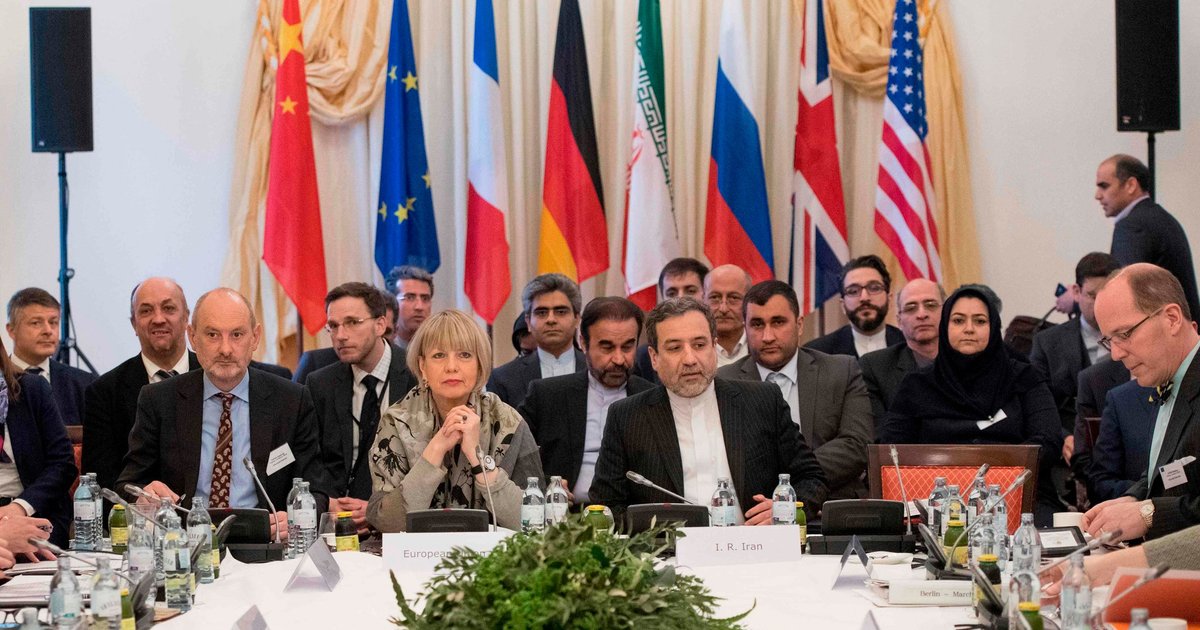
In a move that could help ease tensions between Iran and the United States, Iran announced on Wednesday that Washington has preliminarily accepted a proposal that includes 10 points aimed at ending the ongoing conflict. This announcement was made through official Iranian media, indicating the possibility of progress in negotiations between the two parties.
The proposal presented by Iran includes several key points, such as ensuring no aggressions against Iran, maintaining Iranian control over the Strait of Hormuz, and recognizing Tehran's right to enrich uranium. The proposal also calls for the lifting of all major and secondary US sanctions imposed on Iran.
Details of the Proposal
According to statements from the Iranian National Security Council, this proposal will form a framework for negotiating a broader agreement. However, not all details of the proposal have been publicly disclosed. The report also emphasized the need to terminate all resolutions issued by the United Nations Security Council and the International Atomic Energy Agency against Iran, in addition to the withdrawal of US forces from the region.
The scheduled negotiations are set to begin on Friday in Islamabad, with Pakistan acting as a mediator, and are expected to last for two weeks, with the possibility of extension if a joint agreement is reached. These negotiations come after a period of escalating tensions between Iran and the United States, which has seen mutual threats and economic sanctions.
Background & Context
The history of relations between Iran and the United States is fraught with tensions, having significantly deteriorated since the Islamic Revolution in 1979. Since then, the United States has imposed numerous sanctions on Iran, severely impacting the Iranian economy. In recent years, these tensions have escalated further, especially following the US withdrawal from the Iranian nuclear agreement in 2018.
The Strait of Hormuz is a vital strategic point, through which approximately 20% of the world's oil passes. Iranian control over this waterway reflects Iran's importance in the regional and international landscape. Therefore, any agreement ensuring the safety of this passage would have significant implications for global oil markets.
Impact & Consequences
If a final agreement is reached, it could lead to a de-escalation of tensions in the region, positively impacting the Iranian economy and stabilizing oil markets. Furthermore, this agreement could pave the way for improved relations between Iran and Western countries, potentially leading to increased cooperation in other areas such as security and counter-terrorism.
However, the question remains regarding the seriousness of the United States in fulfilling these commitments, especially amid potential political changes in Washington. Any backtracking on these commitments could lead to a new escalation in the conflict, threatening regional stability.
Regional Significance
The Iranian-American relations are a sensitive topic for Arab countries, many of which are directly affected by the tensions between the two parties. Any potential agreement could contribute to reducing tensions in the region, which may positively reflect on security and stability in the Gulf Arab states.
Moreover, a stable Iran could influence armed groups in the region, potentially helping to reduce conflicts in countries like Iraq, Syria, and Lebanon. Regional cooperation in addressing shared challenges may become easier if progress is made in these negotiations.