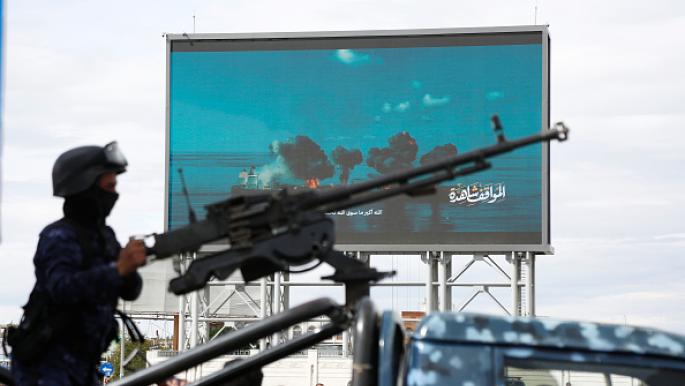
Israeli estimates indicate that Iran is retaining the Houthis as a strategic tool to activate them on the 'Day of Reckoning', which may be when Tehran feels the war is nearing its end. This step is part of Iran's efforts to enhance its regional influence and utilize the Houthis as a striking force in any potential escalation.
These estimates are part of a deeper analysis of the situation in the region, where Israel believes that Iran may exploit the Houthis in the context of its multiple conflicts, especially given the increasing crises in the Middle East. This suggests that Tehran is seeking to expand its sphere of influence through its allies, complicating the regional landscape.
Details of the Event
Israeli concerns are growing that the Houthis, who control large parts of Yemen, may be in a position to carry out military operations against specific targets in the region. Reports have shown that Iran may pressure the Houthis to join any major military operations, reflecting its strategy of using them as a deterrent force against its adversaries.
Through this move, Iran aims to achieve its strategic objectives in the region, particularly amid rising tensions with the United States and its allies. The Houthis are considered part of a complex network of allies that Iran seeks to employ in its regional conflicts.
Background & Context
Historically, the Houthis have been linked to Iran since the onset of the conflict in Yemen, receiving military and logistical support from Tehran. This support has helped them enhance their military capabilities, making them a significant force in the Yemeni conflict. The war in Yemen has significantly impacted the regional balance, positioning the Houthis as a key player in regional conflicts.
These developments coincide with rising tensions in the region, where regional and international powers are competing for influence. Iran and the Houthis are part of this complex struggle, increasing the likelihood of escalation in the future.
Impact & Consequences
If the Houthis are activated on the 'Day of Reckoning', it could lead to a significant escalation in the conflict in the region. Gulf countries would be particularly affected, as they may face increased security threats. This escalation could also impact oil prices and global markets, heightening instability.
This move is also seen as a test of the relations between Iran and its allies, as it may require greater coordination in military operations. Additionally, the potential escalation could provoke reactions from the United States and its allies, further complicating the regional landscape.
Regional Significance
The ramifications of this scenario extend beyond Yemen, potentially destabilizing neighboring countries, especially Saudi Arabia and the UAE. Any escalation could lead to an influx of refugees, increasing the burden on host countries.
Under these circumstances, the situation in the region remains volatile, necessitating proactive measures from Arab countries to address the growing security challenges. There should be clear strategies to handle any potential escalation, particularly given the increasing threats from the Houthis.
In conclusion, Israeli estimates regarding the role of the Houthis as a tool in Iran's hands reflect a complex reality in the Middle East, where regional and international interests intertwine. The question remains: how will Arab countries respond to these new challenges?