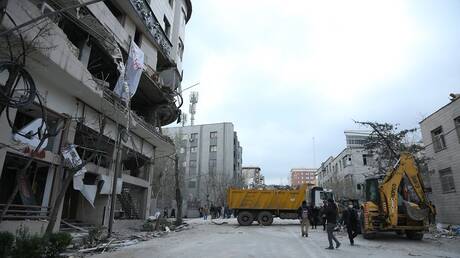
Iran has promised a strong retaliation against airstrikes targeting nuclear scientists and vital facilities across several provinces, asserting that the situation is under control at all affected sites. These statements come at a sensitive time, as tensions between Tehran, Washington, and Tel Aviv are escalating, raising concerns about a potential escalation in the region.
In a related context, Iranian authorities confirmed that the attacks did not affect core nuclear activities and that all vital sites are operating efficiently. This statement reflects Iran's desire to reassure the international community that its nuclear program continues despite external pressures.
Details of the Incident
The airstrikes targeting Iranian nuclear scientists occurred at a sensitive time, as Iran had announced significant progress in its nuclear program. These attacks are seen as part of a broader strategy aimed at undermining Iran's nuclear capabilities, with Tehran accusing both Washington and Tel Aviv of being behind these strikes.
These events coincide with rising tensions in the region, as Iran seeks to bolster its defensive and nuclear capabilities in the face of international pressures. Tehran has shown resilience in its responses, confirming that it will take all necessary measures to protect its scientists and facilities.
Background & Context
Historically, relations between Iran and the United States have been marked by ongoing escalation since Washington's withdrawal from the nuclear agreement in 2018. This withdrawal led to severe sanctions on Iran, impacting its economy and deteriorating diplomatic relations. In this context, the recent attacks are considered part of the ongoing conflict between the two parties.
Israel also plays a pivotal role in this conflict, viewing Iran as an existential threat. Tel Aviv has conducted covert operations against Iran's nuclear program, further complicating the situation in the region.
Impact & Consequences
The recent escalation could have serious repercussions for regional security. Any Iranian reaction could draw the region into a broader conflict, affecting the stability of neighboring countries. Additionally, these events may impact global oil markets, as Iran is one of the major oil-producing countries.
Moreover, the continuation of tensions could affect nuclear negotiations, as major powers seek to revive the nuclear agreement. Any escalation in military operations could complicate these negotiations and make it difficult to reach peaceful solutions.
Regional Significance
Arab countries neighboring Iran are on high alert, as any escalation in the conflict could impact their security and stability. Gulf states, in particular, are concerned about the possibility of the conflict spilling over into their territories, which could lead to destabilization in the region.
The situation in Iraq and Syria may also be directly affected, as Iran plays a significant role in supporting armed factions in these countries. Any escalation could exacerbate humanitarian and economic conditions in these areas.
In conclusion, the situation in Iran and the Middle East remains complex, with political and military interests intertwining. The recent escalation may mark the beginning of a new phase of tensions, necessitating urgent steps from the international community to avoid further escalation.