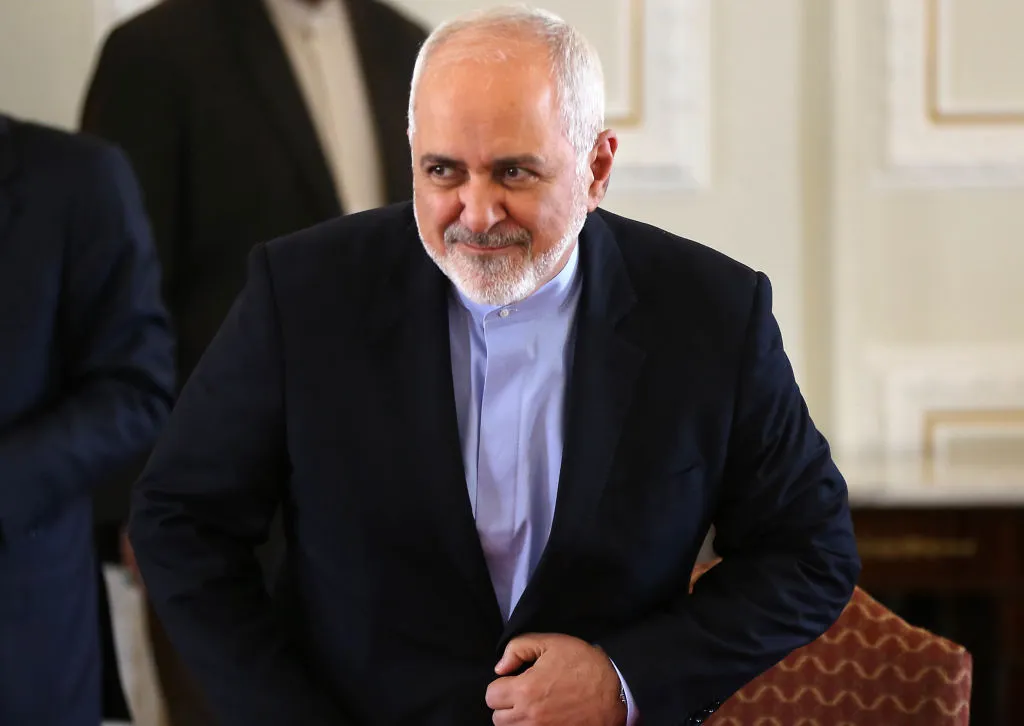
Iran's Foreign Minister, Hossein Amir Abdollahian, reaffirmed the country's commitment to utilizing all its capabilities to defend its sovereignty. This statement was made during a press conference held in Tehran, where he pointed out the increasing challenges Iran faces amid current regional and international conditions.
Abdollahian explained that Iran will continue to enhance its defensive capabilities, emphasizing that any threat to the country's sovereignty will be met with firm resistance. He also highlighted the importance of national unity in facing external challenges, affirming that the Iranian people stand behind their leadership during these difficult times.
Details of the Event
During the conference, Abdollahian addressed several issues related to Iran's foreign policy, including relations with neighboring countries and the importance of regional cooperation. He also touched upon the ongoing tensions with the United States, stating that Iran will not back down from its sovereign rights.
He confirmed that the country will continue to develop its defense programs, including missile capabilities, as part of its self-defense strategy. Abdollahian noted that these programs are not directed against any specific country but aim to enhance Iran's national security.
Background & Context
Abdollahian's statements come at a time when the region is witnessing increasing tensions, especially following the United States' withdrawal from the Iranian nuclear deal in 2018. Since then, the U.S. has imposed severe economic sanctions on Iran, significantly impacting its economy.
Additionally, Iran's relations with the Gulf Arab states are strained, with some countries accusing Iran of interfering in their internal affairs and supporting armed groups. This situation complicates the regional landscape, making it essential for Iran to bolster its defensive capabilities.
Impact & Consequences
The Iranian Foreign Minister's statements underscore the country's determination to confront any threats it may face, which could lead to escalating tensions in the region. If Iran continues to enhance its military capabilities, neighboring countries may take similar measures, increasing the arms race in the area.
Moreover, these statements could impact ongoing nuclear negotiations, as Iran seeks to lift the sanctions imposed on it. Any escalation in tensions may complicate these negotiations and make it more challenging to reach a comprehensive agreement.
Regional Significance
Abdollahian's remarks are significant for Arab countries, reflecting the security challenges facing the region. Amid ongoing tensions between Iran and Gulf states, relations between these countries may be significantly affected, potentially exacerbating regional crises.
Furthermore, Iran's enhancement of its military capabilities may drive some Arab countries to seek new alliances or strengthen military cooperation among themselves, which could impact regional stability overall.
In conclusion, the Iranian Foreign Minister's statements highlight the need for comprehensive dialogue among all parties involved in the region to achieve stability and security. Strengthening defensive capabilities should be accompanied by diplomatic efforts to resolve existing conflicts.