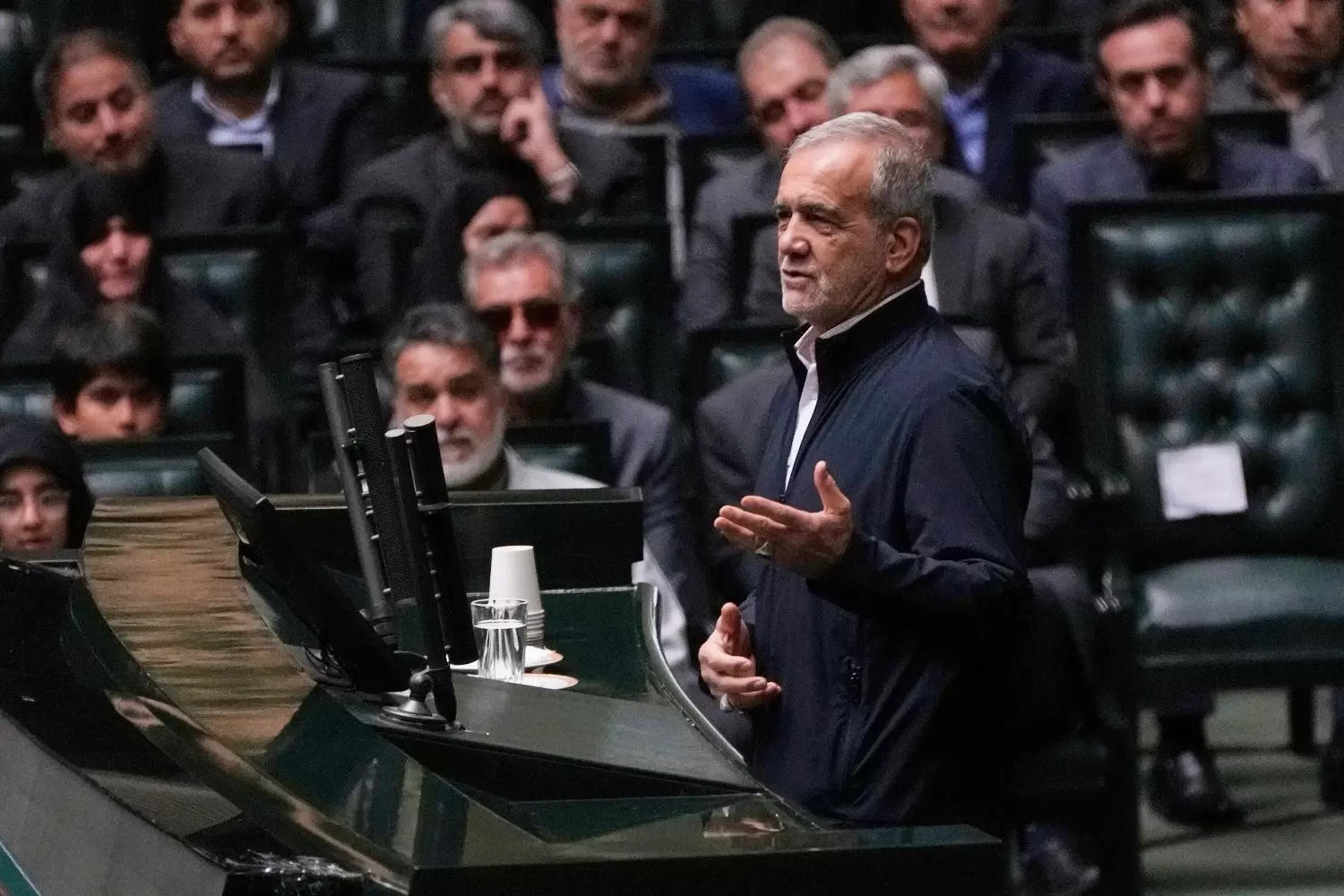
The spokesperson for the Iranian Foreign Ministry, Nasser Kanani, affirmed that Iran will persist in defending its national sovereignty with full strength. He emphasized that Tehran will not hesitate to confront any threats it may face, noting that Iranian national security is one of the government's core priorities.
These remarks come at a time when the region is witnessing escalating tensions, with increasing fears of military escalation in the Middle East. Kanani pointed out that Iran will exert every effort to maintain its stability and security under the current circumstances.
Details of the Statement
In a press conference, Kanani clarified that Iran possesses the capability to protect its national interests and will not hesitate to take necessary measures to safeguard its security. He also confirmed that Tehran is closely monitoring regional and international developments and is prepared to address any potential threats.
He mentioned that Iran seeks to strengthen its relations with neighboring countries and believes that dialogue is the optimal way to resolve conflicts. He reiterated that his country will continue to cooperate with its regional and international partners to achieve security and stability in the region.
Background & Context
Historically, Iran has faced multiple security challenges, ranging from economic sanctions to military tensions with some neighboring countries. This has led to a strengthening of its defensive posture, as Tehran aims to develop its military and technological capabilities to counter any threats.
In recent years, the region has seen an escalation of conflicts, particularly in Iraq and Syria, complicating the security situation further. Iran is considered a key player in these conflicts, supporting certain armed factions in the area, which makes it a target for criticism from some Western nations.
Impact & Consequences
The Iranian statements may affect relations with Western countries, especially amid ongoing tensions regarding Iran's nuclear program. Additionally, Iran's enhancement of its military capabilities could provoke reactions from neighboring countries, increasing tensions in the region.
Iran aims to bolster its position on the international stage, and these statements may lead to increased pressure from the international community. Nevertheless, Tehran appears determined to maintain its sovereignty and independence, which could complicate future negotiations regarding its nuclear program.
Regional Significance
Developments in Iran have significant implications for the Arab region, as Tehran is a key player in many regional conflicts. Any escalation in the Iranian stance could heighten tensions in countries like Iraq, Syria, and Lebanon.
Arab nations are striving for stability in the region, and Iranian statements may impact their efforts in this direction. It is crucial for Arab countries to remain vigilant regarding developments in Iran and to enhance cooperation among themselves to address any future challenges.
In conclusion, Iran remains a key player in the regional landscape and will continue to defend its national sovereignty with strength. The current situation requires Arab nations and the international community to closely monitor developments and work towards enhancing dialogue to resolve conflicts.