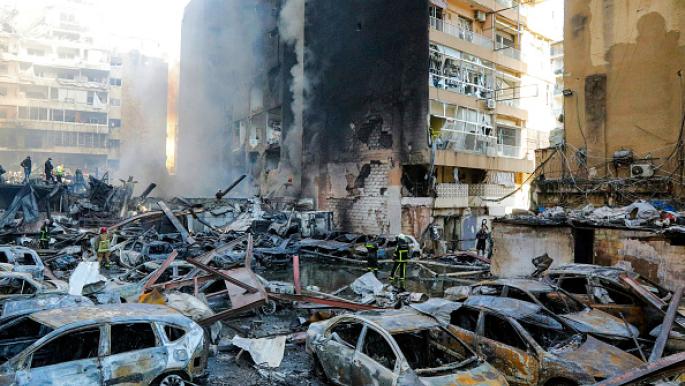
The Iranian Foreign Ministry reported that Foreign Minister Abbas Araghchi held a phone call with Pakistani Army Chief Asim Munir, where they discussed Israel's violation of the ceasefire in Lebanon. This step reflects the escalating tensions in the region, as Israel continues its military operations in Lebanese territory, raising fears of a larger escalation.
These statements come days after the announcement of a ceasefire aimed at alleviating the conflict in the region. However, the repeated violations by Israeli forces indicate an unstable situation, complicating diplomatic efforts aimed at achieving peace.
Details of the Incident
During the call, Araghchi emphasized the importance of respecting the ceasefire, noting that its violation by Israel could lead to dire consequences. He also expressed concern over the deteriorating humanitarian conditions in Lebanon as a result of these military operations. For his part, the Pakistani Army Chief expressed his country's support for efforts aimed at stabilizing the region.
This communication between Iran and Pakistan is considered an important step in the framework of regional cooperation, as both parties seek to enhance coordination to face common security challenges. Additionally, these talks come at a sensitive time, with increasing international pressure on Iran due to its activities in the region.
Background & Context
Historically, Lebanon has witnessed multiple conflicts due to regional and international tensions. For years, Israel and Lebanon have been in a state of ongoing tension, with both sides exchanging accusations regarding border violations. The presence of armed groups in Lebanon, such as Hezbollah, further complicates the situation.
In recent years, the intensity of the conflict in the region has escalated, especially following the United States' withdrawal from the nuclear agreement with Iran. This withdrawal has led to increased tensions between Iran and its allies on one side, and Israel and the United States on the other, affecting Lebanon's stability.
Impact & Consequences
Israeli violations of the ceasefire could lead to a new military escalation in Lebanon, threatening regional security. If these violations continue, they may provoke military responses from Hezbollah, further complicating the situation.
Moreover, the escalation in Lebanon could impact relationships between regional countries, as some may seek to intervene to mitigate tensions, while others may support the Israeli side. This divergence in positions could exacerbate the situation rather than improve it.
Regional Significance
The events in Lebanon are part of the larger picture of conflict in the Middle East. Tensions in Lebanon affect neighboring countries such as Syria and Palestine, where regional and international interests intersect. Any escalation in Lebanon could lead to an influx of refugees into neighboring countries, increasing the economic and social burdens on those nations.
Ultimately, the situation in Lebanon remains complex, requiring intensive diplomatic efforts and cooperation among the involved countries to achieve peace. The continued Israeli violations of the ceasefire may threaten stability in the region and increase civilian suffering.