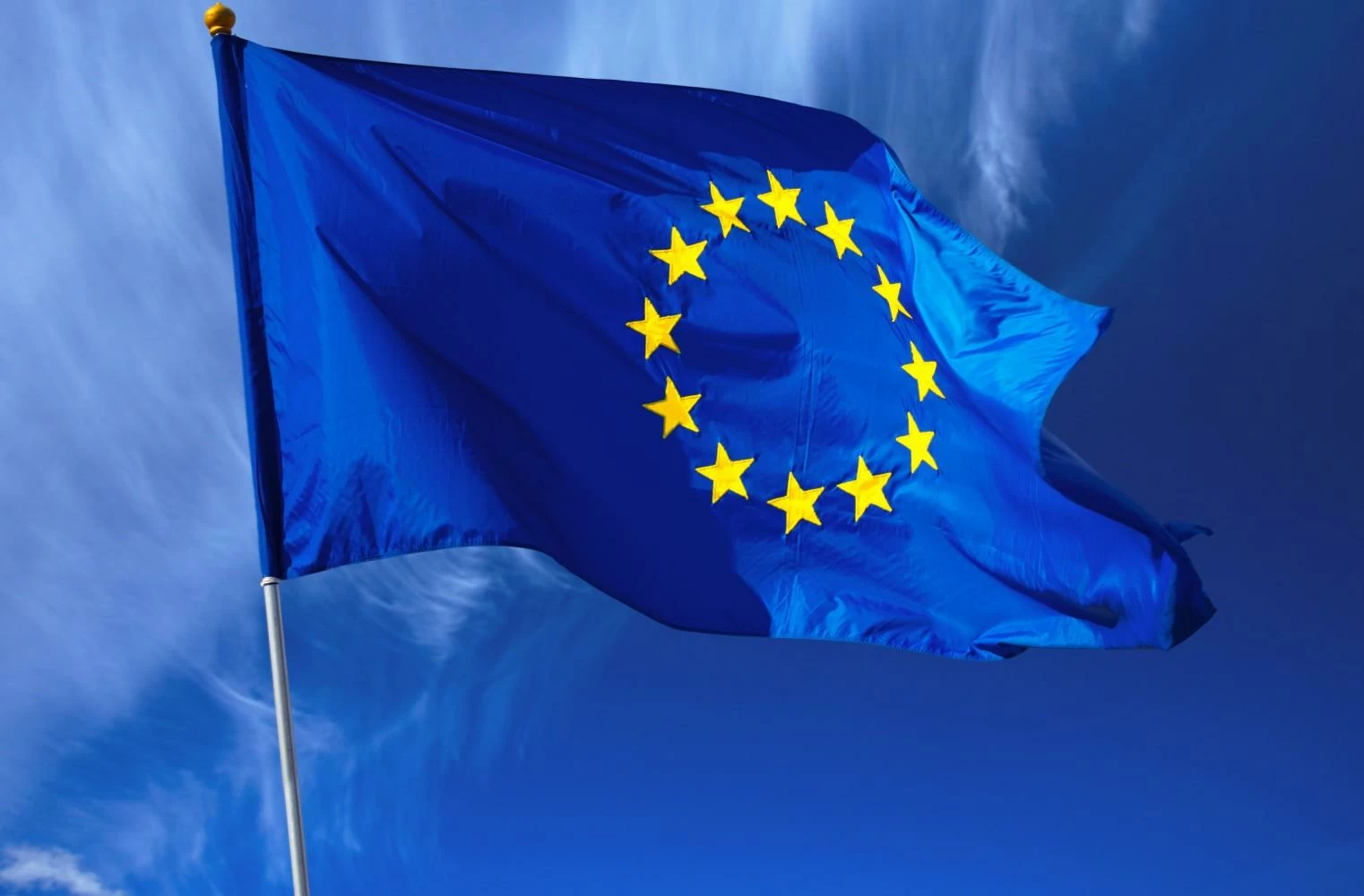
The European Union's Energy Commissioner, Dan Jansen, announced that the Iranian war has resulted in an increase of €14 billion in the EU's fossil fuel import bill so far. He pointed out that markets are experiencing a shortage of diesel and jet fuel, raising concerns about the stability of energy supplies in the region.
Jansen confirmed that the consequences of the Iranian war will not be short-term, as coordination is already underway regarding the mobilization of gas reserves in member states. This comes at a time when the EU is facing significant challenges in securing energy supplies, especially amid tense geopolitical conditions.
Details of the Event
In press statements, Jansen clarified that the Iranian war has significantly impacted energy markets, leading to price hikes and supply shortages. He affirmed that EU member states are working to enhance coordination in gas storage to avoid price increases, although energy supplies in Europe remain relatively protected from the effects of the war.
For his part, Cypriot Energy Minister Michael Damianou stated that EU energy ministers agreed on the necessity of enhancing coordination in this area. He noted that the measures taken by the EU and member states must be carefully designed and coordinated, in line with the current situation.
Background & Context
These developments come at a time when the world is witnessing escalating geopolitical tensions, particularly in the Middle East. The Iranian war, which began some time ago, has exacerbated conditions in global energy markets, affecting prices and supplies overall.
Over the past few years, the EU has heavily relied on energy imports from Middle Eastern countries, making it vulnerable to fluctuations resulting from political and military crises. As tensions rise, the EU has begun seeking alternatives to secure energy supplies.
Impact & Consequences
Reports predict that this war will lead to a continued increase in energy prices, which could negatively impact the European economy. Additionally, supply shortages may affect industrial and service sectors, increasing pressure on European governments.
Moreover, the continuation of these conditions may prompt European countries to reconsider their energy strategies, including increasing reliance on renewable energy sources and reducing dependence on fossil fuels.
Regional Significance
Given the current situation, the effects of the Iranian war extend to neighboring Arab countries, potentially leading to increased tensions in the region. Rising energy prices may also impact Arab economies that heavily rely on oil exports.
At the same time, some Arab countries may seek to capitalize on these conditions by increasing their oil and gas exports, which could help bolster their economies amid global crises.
In conclusion, the repercussions of the Iranian war on the energy sector in the EU remain a vital topic requiring close monitoring, as its effects could be long-lasting and impact economic and political stability in the region.