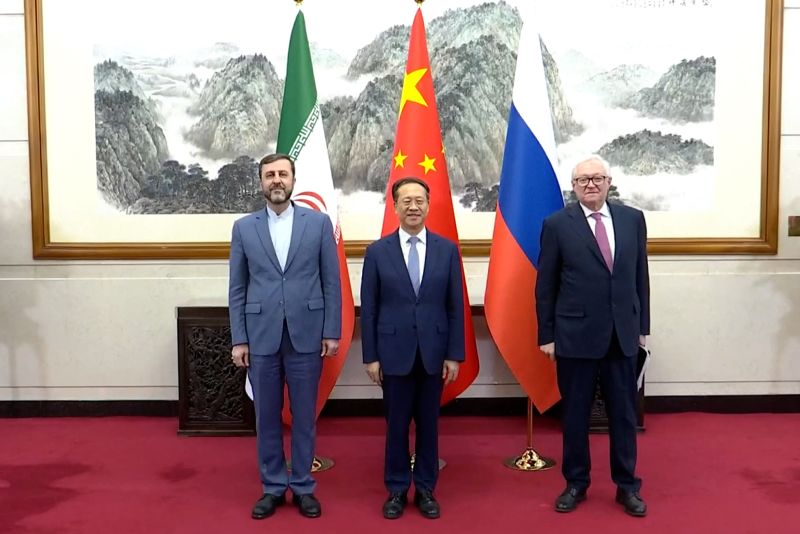
The repercussions of the Iran war are causing significant changes in China's position within the international economic and political landscape. As risks intertwine with strategic opportunities, Beijing's role on the global stage may be reshaped.
China is facing increasing economic challenges due to regional crises; however, these challenges may open new horizons for enhancing its influence. Amid rising tensions in the Middle East, Beijing is seeking to achieve strategic gains by strengthening its relationships with Iran and neighboring countries.
Details of the Event
The effects of the war in Iran on the Chinese economy manifest in several areas, most notably energy and trade. Iran is one of the largest oil exporters to China, making Beijing heavily reliant on the stability of the situation in Tehran. As conflicts escalate, China may face challenges in securing energy supplies, which could impact its economic growth.
Moreover, China aims to expand its influence in the region through the Belt and Road Initiative, which seeks to enhance trade and investment links with countries surrounding Iran. This initiative could lead to increased economic cooperation, bolstering China's position as a global power.
Background & Context
Historically, Chinese-Iranian relations have been characterized by close cooperation, with China being one of Iran's largest trading partners. As Western sanctions on Tehran have intensified, Beijing has increased its investments in vital sectors such as energy and infrastructure.
In recent years, the relationship between the two countries has seen a notable rapprochement, with China and Iran signing a comprehensive strategic partnership agreement. This agreement reflects Beijing's desire to enhance its influence in the Middle East, which it considers strategically important for its economic security.
Impact & Consequences
The potential consequences of the Iran war on China encompass several aspects. Firstly, regional unrest may lead to increased oil prices, negatively affecting the Chinese economy, which relies on imported energy. Secondly, regional crises could heighten political tensions, potentially hindering Beijing's efforts to strengthen its trade relations.
On the other hand, these crises may provide China with an opportunity to enhance its influence in the region by offering economic and political support to affected countries. This could strengthen Beijing's position as a global power and reshape the balances within the international system.
Regional Significance
Developments in Iran directly impact neighboring Arab countries, as conflicts may lead to increased tensions in the region. At the same time, Arab states may seek to strengthen their relations with China as a means of addressing economic and political challenges.
China is considered a strategic partner for many Arab countries, as it seeks to enhance cooperation in energy and trade sectors. Crises in Iran could lead to increased Arab reliance on China, further enhancing Beijing's role in the region.
In conclusion, the repercussions of the Iran war represent both an opportunity and a challenge for China. While Beijing faces economic risks, it has the chance to enhance its influence in the global system by capitalizing on regional crises.