The repercussions of the ongoing war in the Middle East extend beyond daily price fluctuations, posing deeper questions about the future of the global economic system at a moment when energy shocks intersect with broad financial and structural transformations.
Data shows that disruptions in oil and gas flows are not limited to markets but extend to redraw power relations between producing and consuming nations, rearranging the movement of capital globally, in a scenario reminiscent of the major shifts witnessed in the world during the 1970s.
Details of the Event
The New York Times reports that the world "may be facing the third major oil shock," amid what Fatih Birol, the director of the International Energy Agency, described as "the largest disruption in oil supplies in history." The effects of this disruption are beginning to manifest through fuel shortages in Southeast Asia and rising prices globally, while the crisis's impact within the United States appears relatively less severe due to its recent transition to a net energy exporter, providing it with a greater margin to absorb shocks compared to other economies reliant on imports.
The current crisis brings to the forefront the experience of the 1970s when the shock of 1973-1974 quadrupled oil prices, led to fuel lines, and accelerated inflation at an unprecedented rate. Edward Morris, a former energy policy official in the administrations of former U.S. Presidents Jimmy Carter and Ronald Reagan, asserts that this period represented "the most significant event in causing structural change in the global energy sector," as its effects extended beyond prices to redistribute influence among companies and producing nations.
Context and Background
The newspaper adds that the shock of 1978-1979, linked to the Iranian revolution, was an extension of this transformation, as it reinforced the shift of financial power from major oil companies to producing nations, a trajectory that appears to be returning today in a different but more complex manner. The New York Times clarifies that one of the most notable outcomes of these shocks is the reshaping of the global financial system, as "money flowed around the world in new ways and solidified the dollar's position as a pivotal currency."
The so-called "petrodollars"—the financial surpluses achieved by producing nations—were recycled within the U.S. economy and then injected into global markets, especially in developing countries, contributing to deepening international financial interconnectivity. Economist Eswar Prasad confirms that the dollar "has become more dominant in the global financial system in recent years compared to what it was before," despite current disruptions, indicating the continued centralization of the financial system around it.
Consequences and Impact
The newspaper indicates that Gulf countries are no longer merely energy suppliers but have become pivotal players in the global financial system. Economic historian Daniel Yergin states that these countries "do not just export oil and gas; they also export capital." Gulf sovereign wealth funds have become some of the most prominent investors across various global sectors, from financial markets to major projects, enhancing the interconnectedness of the global economy and increasing its sensitivity to any disruptions in energy flows.
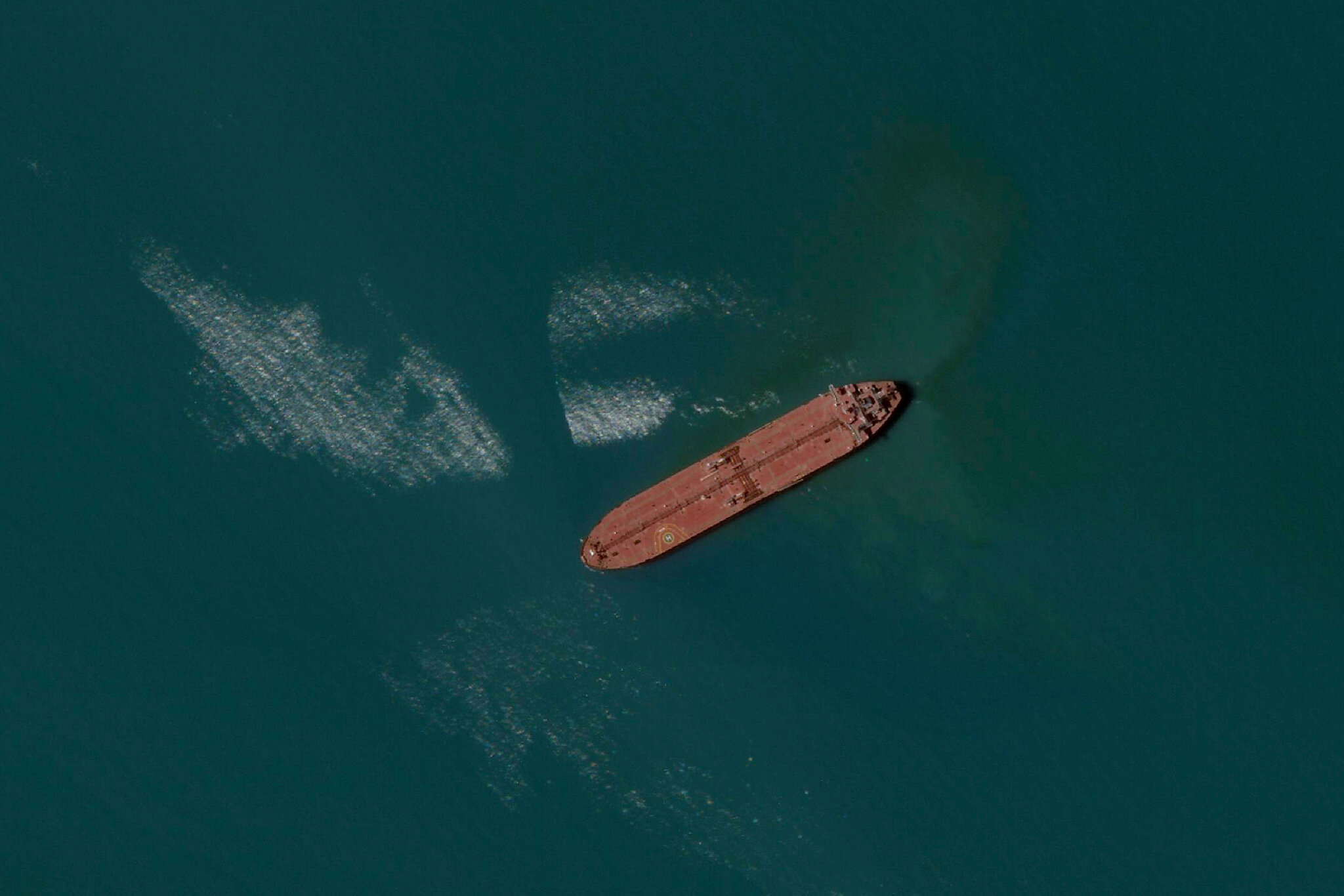
The closure of the Strait of Hormuz, through which approximately 20% of the world's oil and gas pass, represents a critically important development in the context of the current crisis, highlighting the fragility of the strategic corridors upon which the global economy relies. This development raises questions about whether the current crisis will lead to long-term changes in production and trade patterns, especially if it persists over an extended period.
Impact on the Arab Region
Economist Ethan Harris states that "the duration of the war is the decisive factor," adding, "If it lasts a long time, it will be significant; if it stops now, we may not be talking about it next year." In this context, geopolitical factors intertwine with economic data, as the energy crisis transforms from merely a supply shock to a factor that could reshape the balance of financial and trade power globally.
In conclusion, the repercussions of the war in the Gulf may open new avenues of challenges and opportunities, prompting Arab nations to reassess their economic and political strategies in light of these global changes.