Iranian Army Chief Amir Hatami has warned that any attempt by the United States to launch a ground invasion of Iran will result in no enemy forces surviving. His comments came during a television program where he emphasized the need to closely monitor U.S. troop movements.
In his remarks, Hatami stated, "If the enemy attempts a ground operation, no one will survive," stressing the importance of preparedness to face any potential threats. He also indicated that military leadership has issued orders to operational forces to accurately monitor U.S. troop movements and respond in a timely manner.
Details of the Situation
These statements come at a sensitive time, as reports indicate that the U.S. Department of Defense (Pentagon) is preparing for the possibility of conducting ground operations in Iran, amidst the deployment of thousands of U.S. troops in the Middle East. The Washington Post reported that these operations could represent a "new phase of war," which may pose greater risks to U.S. forces compared to the initial months of the conflict.
Discussions at the Pentagon include the possibility of targeting Kharq Island, a major hub for Iranian oil exports, as well as conducting coastal attacks near the Strait of Hormuz to neutralize threats against maritime navigation.
Background & Context
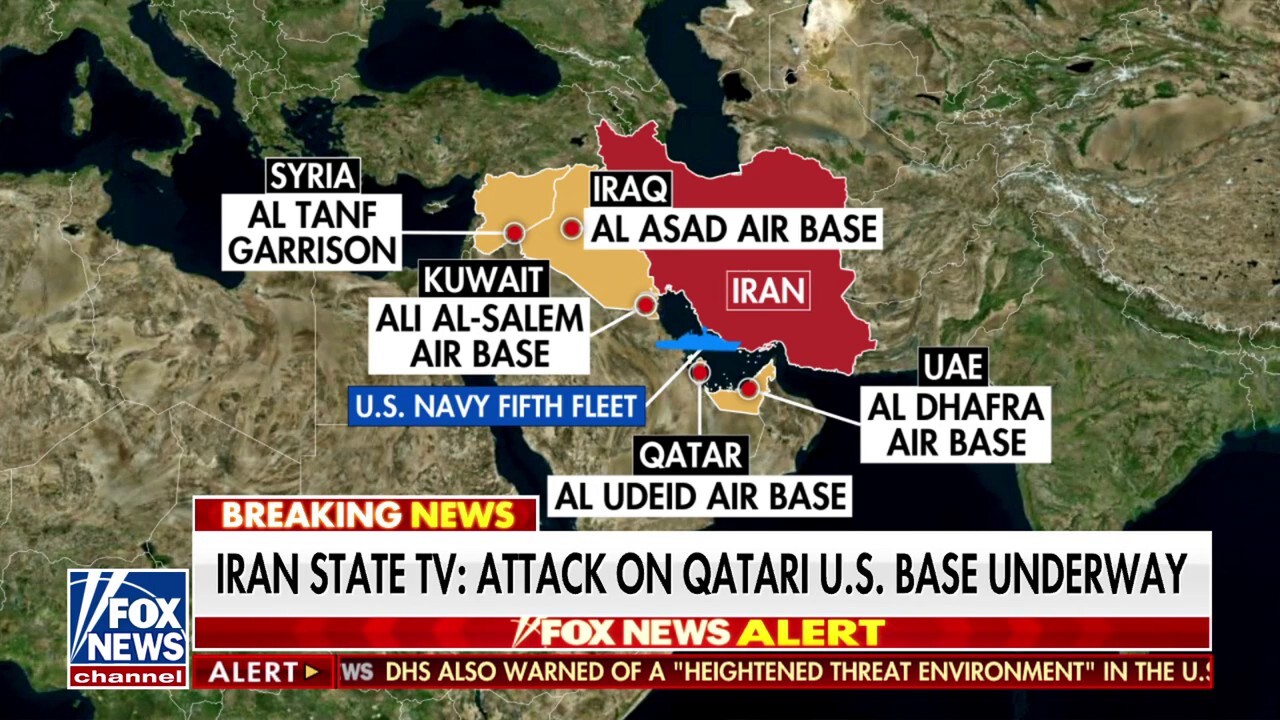
The pace of escalation in the region has accelerated since Israel and the United States launched attacks on Iran on February 28, resulting in the deaths of over 1,340 people, including former Iranian Supreme Leader Ali Khamenei. Iran responded to these attacks with drone and missile strikes targeting Israel, Jordan, Iraq, and Gulf countries hosting U.S. forces, leading to casualties and damage to infrastructure.
Historically, relations between Iran and the United States have been marked by ongoing tensions, especially following Washington's withdrawal from the Iranian nuclear deal in 2018. Since then, military and political tensions have escalated, making the region increasingly fragile.
Impact & Consequences
Iranian statements warn of dire consequences for any U.S. military intervention, as it could significantly escalate the conflict. Any ground invasion could open the door to a prolonged conflict, impacting the stability of the entire region.
Moreover, military escalation could affect global oil prices, as Iran is a key player in the oil market. Any escalation in the conflict could lead to rising oil prices, impacting the global economy, particularly in countries reliant on oil.
Regional Significance
Neighboring Arab countries find themselves in a precarious position, as they may be directly affected by any military escalation. The increasing tensions between Iran and the United States could have repercussions on regional security, prompting Arab nations to take precautionary measures to maintain their stability.
Ultimately, the situation in the region remains volatile, with growing concerns about a new military escalation that could have severe consequences for all parties involved.