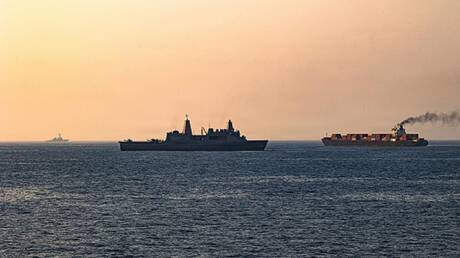
Iran has issued a strong warning to countries allied with the United States, cautioning that their continued support for U.S. sanctions against Tehran will lead to strategic responses from Iran. The country confirmed that it would obstruct the passage of commercial ships in the Hormuz Strait, which is one of the world's most crucial maritime corridors.
These statements come at a sensitive time, as tensions between Iran and the United States are escalating, particularly following the reimposition of U.S. sanctions on Tehran. Iranian officials have indicated that these sanctions negatively impact the Iranian economy, necessitating decisive actions to protect the country's interests.
Details of the Situation
Reports indicate that Iran has already begun to enhance its military presence in the Hormuz Strait, as this area is vital for the transportation of oil and natural gas. Iran views any threat to its interests in this region as a threat to national security, making it prepared to take stringent actions against any commercial vessels it perceives as allied with the United States.
At the same time, Tehran has asserted that it will not hesitate to use its naval power to defend its interests, noting that these actions may include inspections of commercial ships or even obstructing their passage in some cases. These statements have raised concerns among many countries that rely on this vital corridor for their international trade.
Background & Context
Historically, the Hormuz Strait is a critical transit point for oil, with approximately 20% of the world's total oil exports passing through it. The region has witnessed recurring tensions between Iran and Western countries, particularly the United States, which seeks to limit Iran's influence in the area.
It is noteworthy that Iran has previously threatened to obstruct shipping in the Hormuz Strait as a means of pressuring Western nations, raising fears of potential military escalation in the region. There have been several previous incidents involving commercial vessels in this area, further complicating the security situation.
Impact & Consequences
If Iran follows through on its threats, it could lead to heightened tensions in the region, potentially affecting global oil prices and increasing instability in the markets. Any military escalation in the Hormuz Strait could prompt international intervention, complicating the situation further.
Moreover, these developments may impact relations between Iran and European countries that are striving to maintain the nuclear agreement with Tehran. These nations may find themselves in a difficult position, needing to balance support for U.S. sanctions while preserving their relationships with Iran.
Regional Significance
The Gulf Arab states are among the most affected by the tensions in the Hormuz Strait, as their economies heavily depend on oil exports. Any escalation in the region could lead to rising oil prices, impacting these countries' economies and increasing economic pressures on them.
Additionally, these tensions may exacerbate political divisions in the region, as some countries may adopt opposing stances towards Iran, complicating the regional situation. Ultimately, security in the Hormuz Strait remains a vital issue that requires international cooperation to maintain stability in the area.