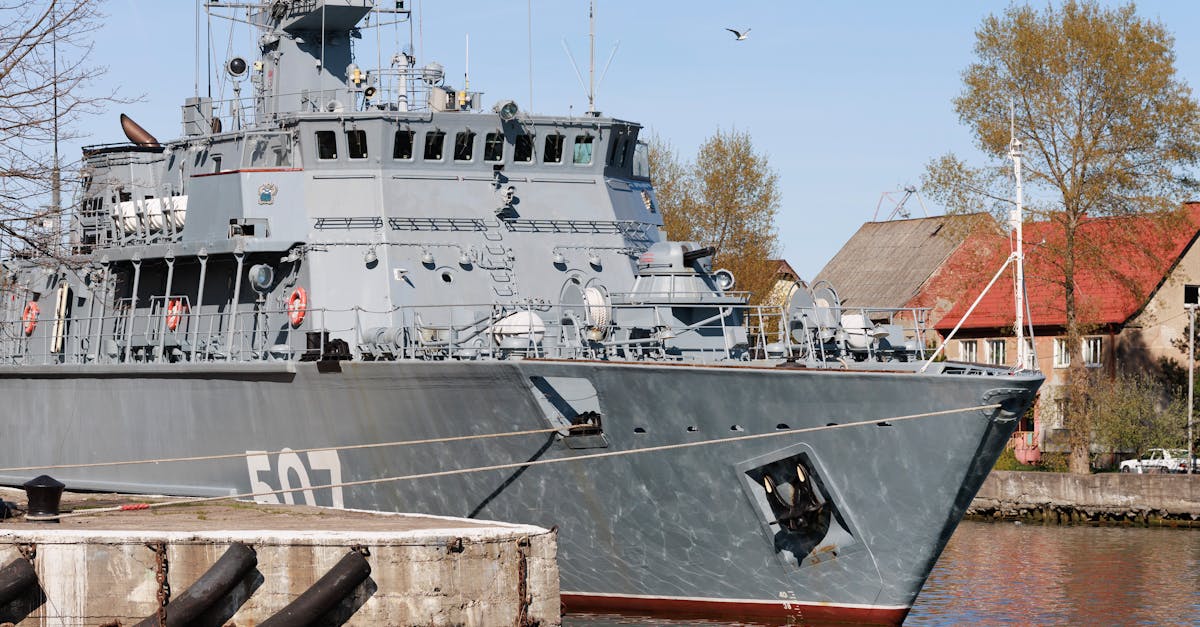
The Iranian Revolutionary Guard warned on Saturday (May 9) that any aggression against Iranian oil tankers or commercial ships would be met with a large-scale military response targeting American positions and hostile vessels in the region. This warning comes as regional tensions rise between Iran and the United States, with fears of military conflict in the Gulf waters increasing.
Brigadier General Majid Mousavi, commander of the Revolutionary Guard Air Force, confirmed that Iranian missiles and drones are ready to target enemies, awaiting orders to launch. These statements reflect Iran's preparedness to confront any potential threats, especially under the current circumstances in the region.
Details of the Warning
This warning comes as the British Ministry of Defense announced the deployment of Royal Navy warships to the Middle East in preparation for a multinational mission aimed at protecting commercial navigation in the Strait of Hormuz. The HMS Dragon, a Type 45 destroyer, will join this initiative after being stationed in the Mediterranean Sea.
It is noteworthy that regional tensions have escalated since the United States and Israel launched attacks on Iran on February 28, leading to Iranian responses targeting Israel and its allies in the Gulf. This has significantly affected navigation in the Strait of Hormuz, which is one of the world's most vital maritime passages.
Background & Context
Relations between Iran and the United States have been increasingly strained since Washington withdrew from the Iranian nuclear deal in 2018. Since then, the United States has imposed severe economic sanctions on Iran, exacerbating the country's economic and political situation. On April 8, a ceasefire agreement was reached with the mediation of Pakistan, but talks in Islamabad yielded no tangible results.
On April 13, the United States began implementing a naval blockade targeting Iranian shipping in the Strait of Hormuz, further heightening tensions. U.S. President Donald Trump indicated that the blockade would continue, reflecting Washington's maximum pressure policy towards Tehran.
Impact & Consequences
The recent Iranian statements reflect Tehran's concern over any military escalation that could lead to a comprehensive conflict in the region. Should any aggression occur against Iranian vessels, a military response could result in serious escalation, affecting the stability of the entire region. Additionally, any escalation could impact global oil prices, as the Strait of Hormuz is a crucial route for oil transport.
On the other hand, the presence of British and American warships in the region could increase the chances of military friction, placing the area in a state of instability. Any military escalation in the Gulf would have significant implications for regional and international security.
Regional Significance
The current events in the Gulf are of great importance to Arab countries, as any military escalation could affect security and stability in the region. Arab nations, particularly those close to the Strait of Hormuz, are closely monitoring developments, as any closure of the strait would impact trade and oil movement.
In conclusion, the situation in the Gulf remains tense, depending on how the involved parties manage these threats. Diplomatic dialogue is the only way to avoid escalating tensions and achieve stability in the region.