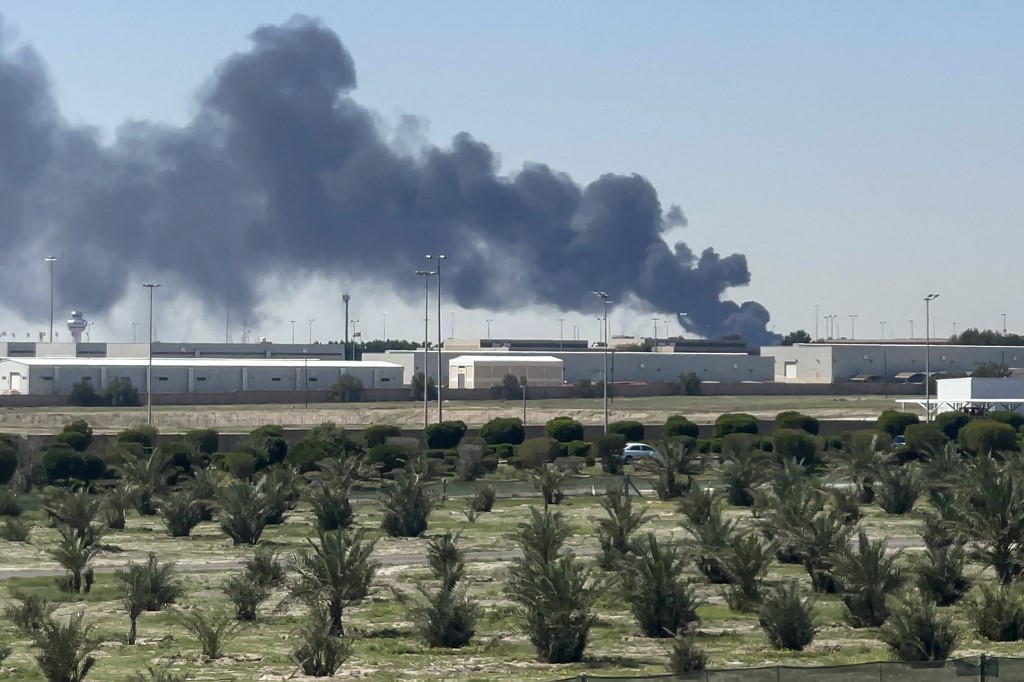
Iranian Foreign Minister Abbas Araghchi has warned against any 'provocative actions' that could escalate tensions in the Strait of Hormuz, ahead of an anticipated vote by the UN Security Council on the possibility of using force in this strategic passage. This warning comes at a sensitive time, as Iran has closed the strait, which is considered one of the most important maritime routes for oil transport, in response to the US-Israeli attack on its territory on February 28.
In a statement from the Iranian Foreign Ministry, Araghchi emphasized that any provocative actions by aggressors and their supporters, including those in the Security Council, would complicate the situation further. This statement reflects Iran's growing concern over external interventions in regional affairs and indicates that Tehran will not hesitate to take steps to protect its interests.
Details of the Event
The Strait of Hormuz is a vital point in global trade, through which approximately 20% of the world's oil transported by sea passes. The region has witnessed increasing tensions in recent years, especially following the US withdrawal from the Iranian nuclear deal in 2018 and the imposition of strict economic sanctions on Tehran. In this context, the Iranian warnings highlight the potential risks that may arise from any military escalation.
Iran seeks to assert that any move by the international community, particularly the United States and its allies, could exacerbate the situation in the region. Araghchi noted that Tehran would take all necessary measures to protect its sovereignty and national interests.
Background & Context
Historically, the Strait of Hormuz has been the site of numerous crises and conflicts, having been the stage for several military confrontations between Iran and the United States. In 1980, during the Iran-Iraq War, the strait saw attacks on oil tankers. The region has also experienced tensions in recent years, including attacks on oil tankers in 2019, for which Iran was accused of carrying out.
Iran considers the Strait of Hormuz an integral part of its national security and uses it as a means to pressure Western powers. In recent years, Tehran has increased its military capabilities in the region, raising concerns among neighboring countries and the United States.
Impact & Consequences
Any escalatory steps by the United Nations or the United States could provoke a violent reaction from Iran, potentially opening the door to widespread military conflict. Should this occur, the repercussions would significantly impact global oil markets and could lead to a substantial rise in prices.
Moreover, escalating tensions in the region could affect regional security, as other countries may intervene in the conflict, complicating the situation further. These crises are likely to result in an influx of refugees and increased tensions between neighboring countries.
Regional Significance
Arab countries neighboring Iran, such as the United Arab Emirates and Saudi Arabia, find themselves in a sensitive position, as their economies heavily depend on oil exports. Any escalation in the Strait of Hormuz could disrupt trade flows and heighten tensions between these nations and Iran.
Furthermore, any military conflict could lead to external interventions, potentially altering the balance of power in the region. Therefore, Arab nations need to closely monitor the situation and work on enhancing regional cooperation to avoid any escalation.