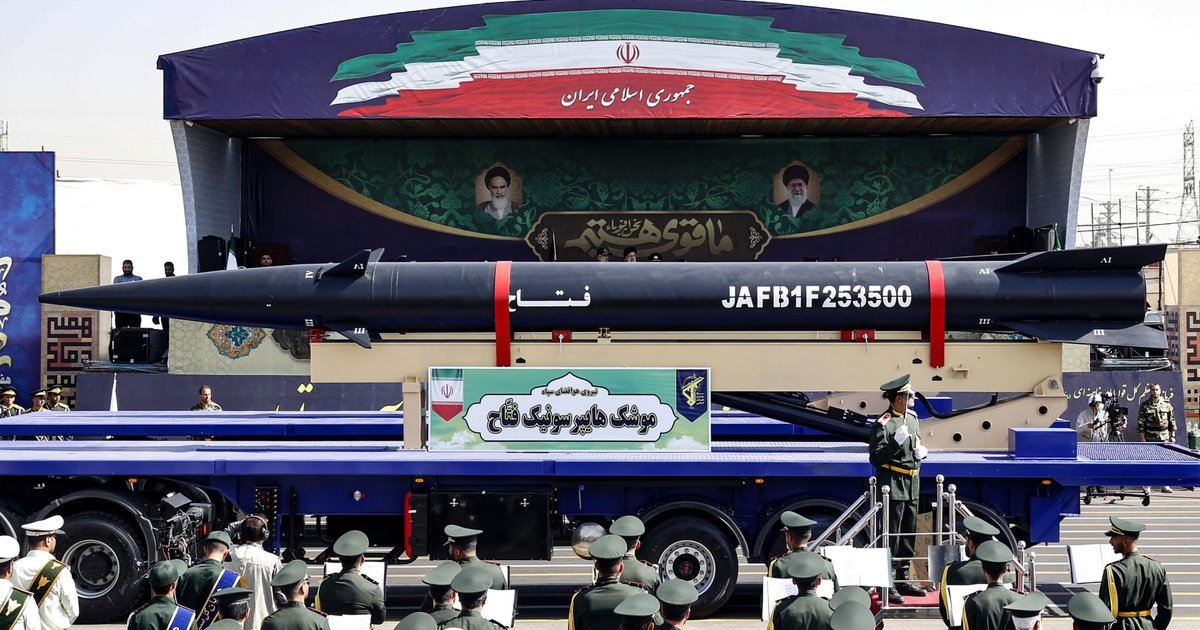
In a rising development of events in the Gulf region, Iran announced through the Khatam al-Anbiya Center, affiliated with the Revolutionary Guards, that it will respond to any aggression targeting the country's energy infrastructure. According to the statement, Iran may target American and Israeli energy and technological facilities if it comes under attack. This statement follows US President Donald Trump's warning to Iran to reopen the Strait of Hormuz within 48 hours, threatening to strike Iranian power stations if this demand is not met.
This escalation underscores the increasing tensions between the United States and Iran, especially amid the geopolitical turmoil facing the region. The Gulf region, particularly the Strait of Hormuz, is a vital point for transporting oil and natural gas, with approximately 20% of global oil supplies passing through it. Therefore, any threat to supplies in this area could directly impact the global economy.
Given the significance of this region, energy-related issues have never been merely regional, as they have taken on an international character affecting relationships among major powers. Previously, we have seen several instances of military escalation due to the Strait of Hormuz issue, with these matters representing part of a larger struggle between Iran and the United States and its allies, such as Saudi Arabia and Israel.
The recent statements come at a sensitive time, as threats against vital facilities have increased, raising the likelihood of military conflicts in the region. The pressure employed by the United States on Iran can have a significant impact on oil markets. Trump has repeatedly pledged to protect his country's interests, which might push him towards military actions if Iran does not comply with his demands.
This issue is not separate from other regional events, as Iran has previously seen protests inside and outside its borders against foreign interference in its affairs. Thus, Iranian responses to US threats may lead to strengthening its defensive capabilities and enhancing its military readiness.
The recent events carry negative economic implications for countries in the region. Rising oil prices may affect the stability of some oil-importing countries, while escalating tensions could negatively impact global trade. Additionally, investment opportunities in oil and energy may decline due to instability.
The exchanged threats and statements outline a more complicated future for relations between Iran and the United States. There is a risk that could reinforce separatist tendencies among some groups in the region, threatening regional stability.
In conclusion, it should be clear that military escalation in the Gulf region is not merely a matter between Iran and the United States but relates to multiple strategic interests in a broader context affecting Arab countries, necessitating all parties to take steps to contain tensions and prevent conflict from erupting.