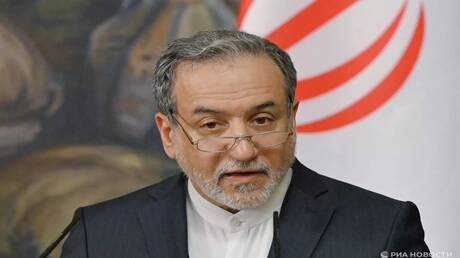
Iranian Foreign Minister Abbas Araghchi warned on Monday that any 'provocative' actions concerning the Strait of Hormuz by 'aggressors and their supporters' could lead to serious escalation in the region. Araghchi confirmed that passage through the strait is only available to non-hostile nations, reflecting the increasing tensions in this strategic area.
Araghchi's statements come at a time when tensions between Iran and the United States are escalating, with incidents in the waters of the Arabian Gulf on the rise. The Strait of Hormuz, through which approximately 20% of the world's oil passes, is a vital point for international trade, making any escalation in the region have far-reaching implications.
Details of the Event
Abbas Araghchi made these remarks during a press conference, emphasizing the importance of maintaining security in the Strait of Hormuz. He noted that Iran will not tolerate any threats from countries it considers hostile. He also called on other nations to respect the rights of passage through the strait, warning that any provocation could lead to unexpected reactions.
These warnings come amid increasing military activities in the region, as the United States has bolstered its military presence in the Gulf, heightening tensions with Iran. Iran has shown readiness to respond to any threats, raising concerns about stability in the area.
Background & Context
Historically, the Strait of Hormuz has witnessed numerous crises and tensions, especially during periods of conflict between Iran and the United States. In 1980, during the Iran-Iraq War, the strait was the scene of many maritime incidents. Since then, the area has become a center for geopolitical tensions, as major powers seek to secure their interests.
In recent years, military activities in the region have increased, with Iran developing its military capabilities, including ballistic missiles and warships. In response, the United States has enhanced its military presence in the Gulf, leading to heightened tensions between the two sides.
Impact & Consequences
A potential escalation in the Strait of Hormuz could significantly impact global oil markets. Any closure of the strait or threats to disrupt navigation could lead to rising oil prices, affecting the global economy. Additionally, tensions in the region could have political repercussions, as major countries may seek to intervene to protect their interests.
Moreover, any escalation in the area could affect regional security, potentially leading to increased conflicts between neighboring countries. This could result in humanitarian consequences, as civilians may be endangered due to any potential conflict.
Regional Significance
The Arab countries neighboring the Strait of Hormuz, such as the United Arab Emirates and Oman, are among the most affected by tensions in the region. Any escalation in the Strait of Hormuz could impact trade and maritime transport, negatively reflecting on the economies of these countries.
Furthermore, tensions in the region could lead to increased divisions among Arab countries, as their positions towards Iran and the United States may vary. This could complicate regional relations and affect peace and stability efforts in the area.
In conclusion, the situation in the Strait of Hormuz remains under close observation, as any provocative actions could lead to serious escalation in the region. It is crucial for the concerned nations to take steps to avoid escalation and maintain security and stability in this vital area.