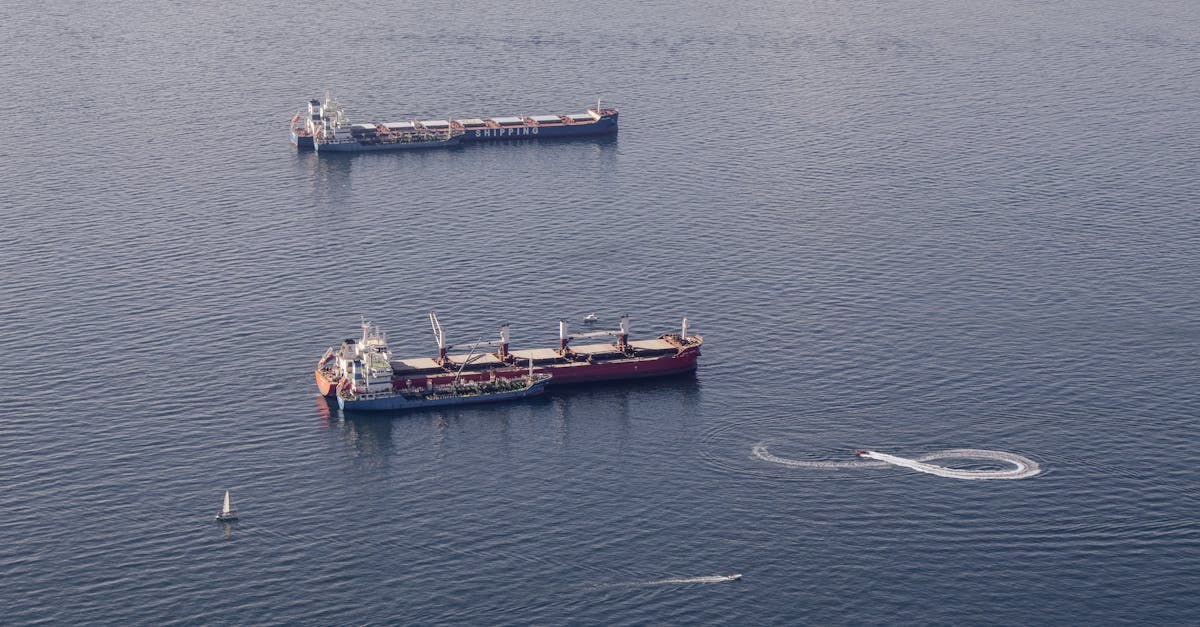
Iran issued a warning on Sunday that its armed forces will take 'decisive and immediate' action against any French or British military presence in the Strait of Hormuz. This statement came after London and Paris announced plans to deploy ships in the area aimed at safeguarding maritime navigation, which Tehran views as a threat to its national security.
In a post on X, Iranian Deputy Foreign Minister Kazem Gharibabadi emphasized that the country would not hesitate to defend its interests. He noted that these military movements occur at a sensitive time, as the region continues to experience escalating tensions following a series of recent events.
Details of the Event
Britain and France have announced plans to deploy warships in the Strait of Hormuz, a strategic waterway through which approximately 20% of the world's oil passes. This decision is part of the two nations' efforts to protect maritime navigation following rising tensions in the area, especially after recent incidents in the Gulf waters.
The Strait of Hormuz is a vital point in global trade, linking the Arabian Gulf to the Sea of Oman. The region has seen an escalation in military activities in recent years, including attacks on oil tankers, heightening concerns over navigation security.
Background & Context
Historically, Iran has adopted a strict policy towards any foreign military presence in its territorial waters. Iranian-Western relations have experienced increasing tensions since the United States withdrew from the nuclear agreement in 2018, leading to heightened stances between Tehran and Western nations.
Iran considers the Strait of Hormuz as part of its sovereignty and has previously conducted military exercises in the region to showcase its strength. There is a long history of maritime clashes between Iran and Western countries, complicating the current situation further.
Impact & Consequences
These warnings could escalate tensions in the region, as Iran may respond to any military movements by Western nations. Such escalation could impact global oil prices, as any threat to navigation security in the Strait of Hormuz could lead to a significant increase in oil prices.
Additionally, these events may affect relations between Iran and European countries, as the latter seeks to maintain communication channels with Tehran amid rising tensions. These developments could lead to a reassessment of Western strategies in the region.
Regional Significance
The Gulf Arab states are significantly concerned about developments in the Strait of Hormuz, as any escalation could impact their security and stability. Many of these countries rely on oil exports, and thus any threat to navigation could have direct economic repercussions.
Moreover, these tensions may lead to increased military cooperation between Gulf states and Western countries, potentially altering the balance of power in the region. Arab nations must closely monitor these developments and be prepared to address any potential repercussions.
In conclusion, the situation in the Strait of Hormuz remains a focal point of global interest, as any escalation could lead to widespread ramifications. It is crucial for all parties involved to avoid escalation and seek diplomatic solutions to alleviate tensions.